-
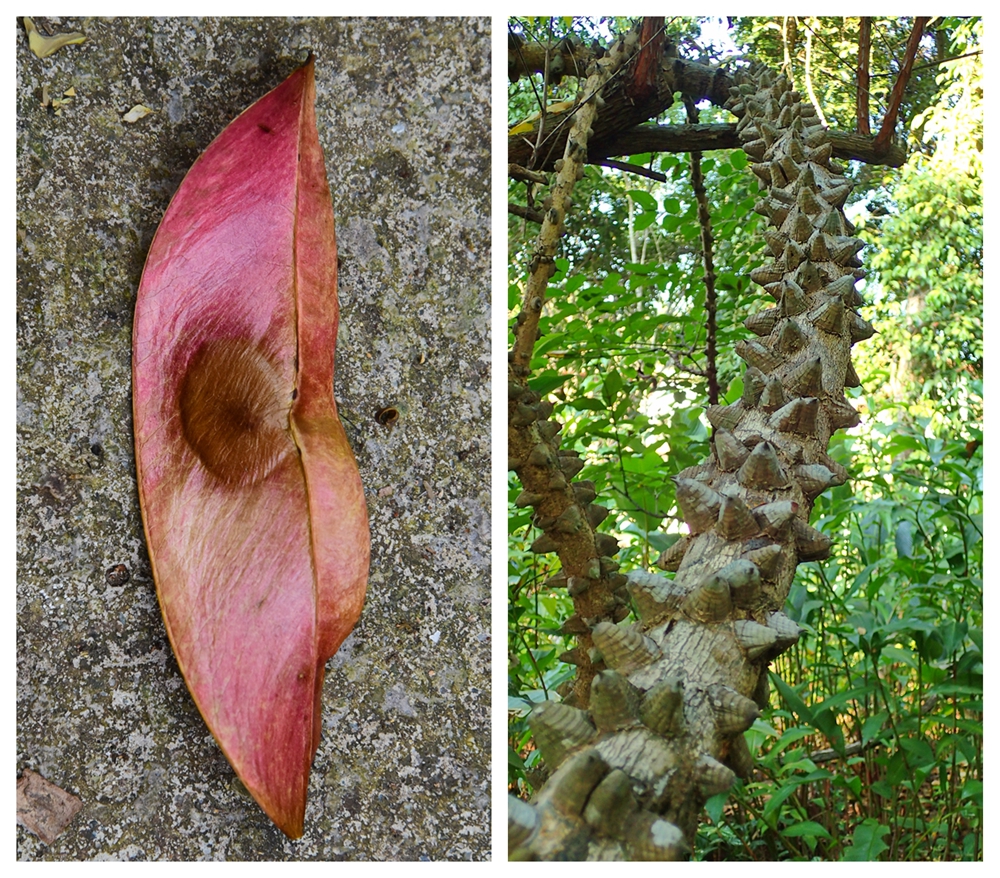
Earliest fossil pod of Mezoneuron in Asia reported from YunnanDuring their field investigations in southern Yunnan, researchers from Xishuangbanna Tropical Botanical Garden (XTBG) found a unique winged fruit fossil from the lower Miocene Sanhaogou Formation of Jinggu Basin. After careful morphological studies and comparison with extant species, the researchers confirmed it as a new Mezoneuron pod fossil and represented the first fossil occurrence of this genus in Asia and the only one within its current distribution range.Apr 26, 2024
-
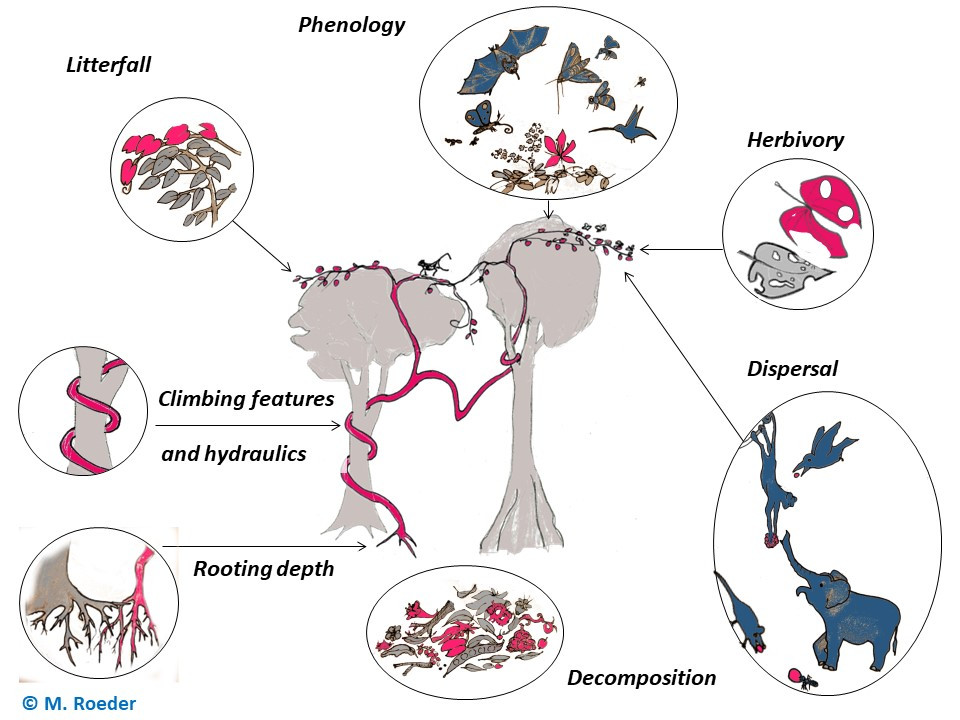
Liana ecology: the next avenuesTo address this gap in our knowledge, Xishuangbanna Tropical Botanical Garden XTBG) organized the 1st International workshop on liana forest ecology from October 12–16 in 2023. 35 participants from 14 countries reviewed the current state of knowledge on liana ecology, discussed and defined the future research axes needed to achieve more understanding on how lianas interfere in water, carbon, and nutrient cycles.Apr 23, 2024
-
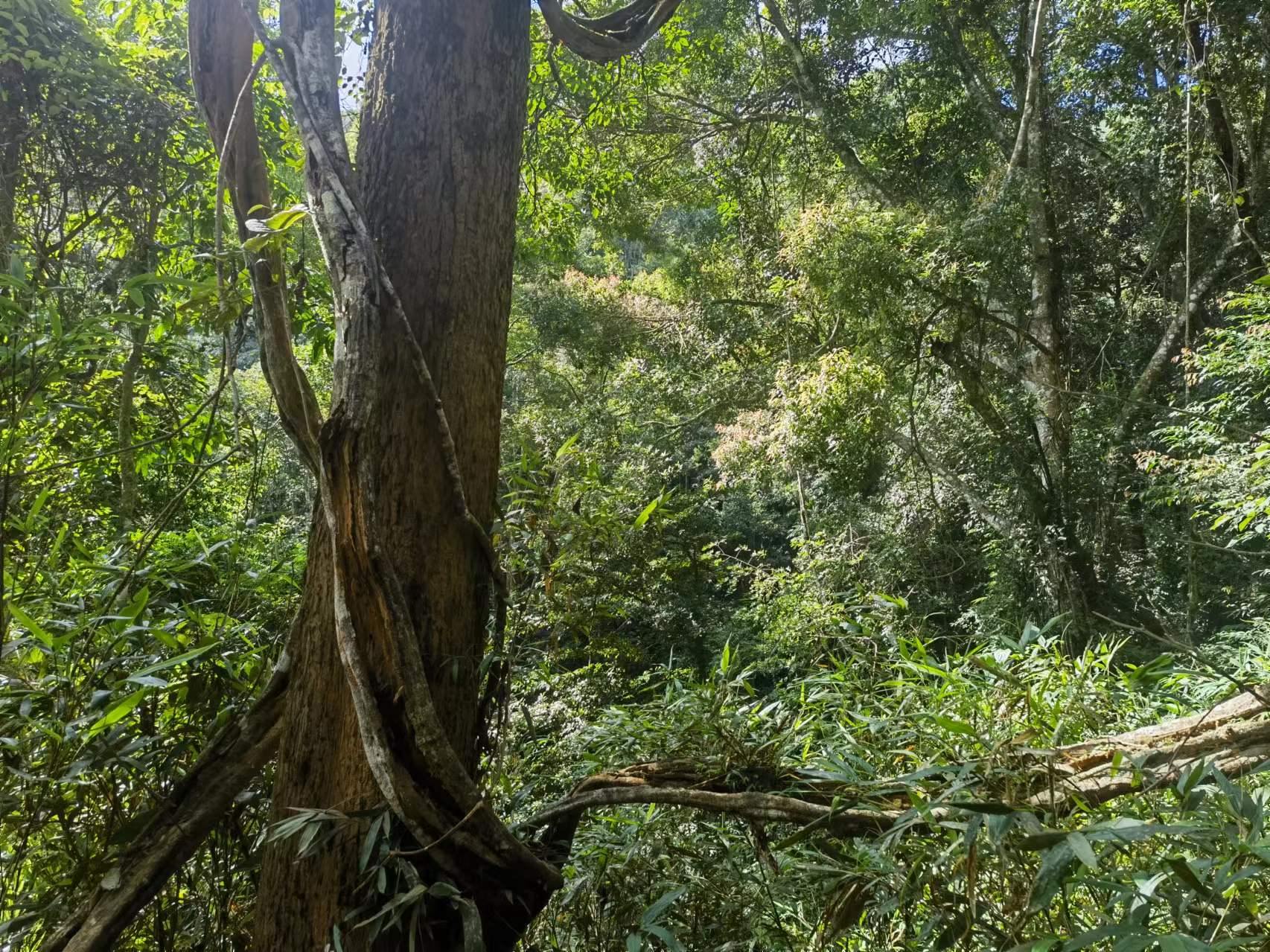
Afterlife effects of lianas are important to forest biogeochemistryIn a study published in Global Change Biology, researchers from Xishuangbanna Tropical Botanical Garden (XTBG) and their collaborators discussed the effects of lianas on forest biogeochemistry during their lives and after lives. They argued that lianas not only have some effects during the lifetime but also leave a legacy in terms of carbon and nutrients cycling after death.Apr 19, 2024
-
How do low temperatures enhance disease resistance of plants?In a study published in The Plant Cell, researchers from Xishuangbanna Tropical Botanical Garden (XTBG) revealed the molecular mechanism of low temperature-enhanced plant immune response. They demonstrated a critical function of the INDUCER OF CBF EXPRESSION 1 (ICE1) as an essential node bridging cold stimulus and plant immunity.Apr 17, 2024
-
How does phytochemical diversity affect plant adaptation to stresses?In a study published in Science of the Total Environment, researchers from Xishuangbanna Tropical Botanical Garden (XTBG) studied the phytochemical diversity and its adaptation to abiotic and biotic stresses along different climatic gradients. By delving into the chemical constituents in fine roots, they sought to reveal how these chemical constituents help plants cope with various environmental stresses.Apr 09, 2024
-
Researchers clarify cryptic differentiation within Cassytha filiformisIn a study published in Journal of Systematics and Evolution, researchers from Xishuangbanna Tropical Botanical Garden (XTBG) and their collaborators examined Chinese Cassytha samples currently placed into C. filiformis as well as several related members of the racemose group to investigate the phylogenetic and evolutionary history of the genus in the region.Apr 08, 2024
-
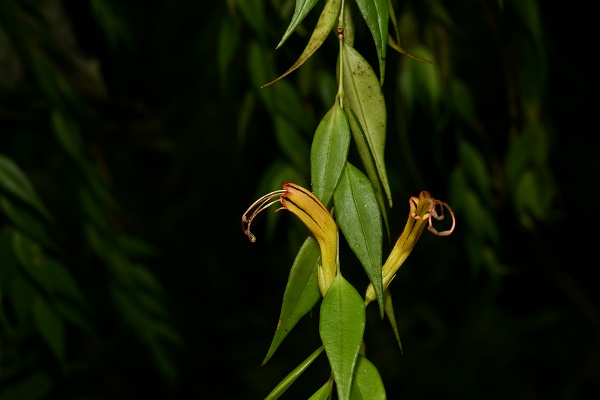
New lipstich plant species found in YunnanResearchers from Xishuangbanna Tropical Botanical Garden (XTBG) encountered and collected a brownish-yellow flowered plant of Aeschynanthus, during the botanical surveys in the China-Myanmar transboundary region in Yunnan, China between 2020 to 2023. After extensive morphological comparisons with several similar species from China and neighboring countries, the researchers conformed that the unknown plant is new to science. They named the new species as Aeschynanthus wangii to honor Prof. WANG WenTsai (W.T. Wang, 1926–2022), who made significant contributions to the flora of China. Related result was published in Taiwania.Apr 03, 2024
-
New fossil wood record of Lauraceae reported from YunnanDuring their field investigation,researchers from Xishuangbanna Tropical Botanical Garden (XTBG) collected some lauraceous fossil woods from Shengli Coal Mine, located near Meizi town in Ninger County, Yunnan Province, Southwest China. After careful anatomical and morphological studies, the researchers confirmed the fossil wood as a new species in the genus Cryptocarya. They named it as Cryptocarya latiradiata to refer to the wide rays in the woods.Mar 29, 2024
-
Seed desiccation contributes most to interspecific variation in seed coat ratioIn a study published in Functional Ecology, researchers from Xishuangbanna Tropical Botanical Garden (XTBG) and Anhui University provided the first quantification of the relative explanations of six factors that have been commonly considered to be associated with the interspecific variation in SCR.They highlighted the important roles of seed desiccation response and seed dormancy in explaining interspecific variation in the SCR.Mar 26, 2024
-
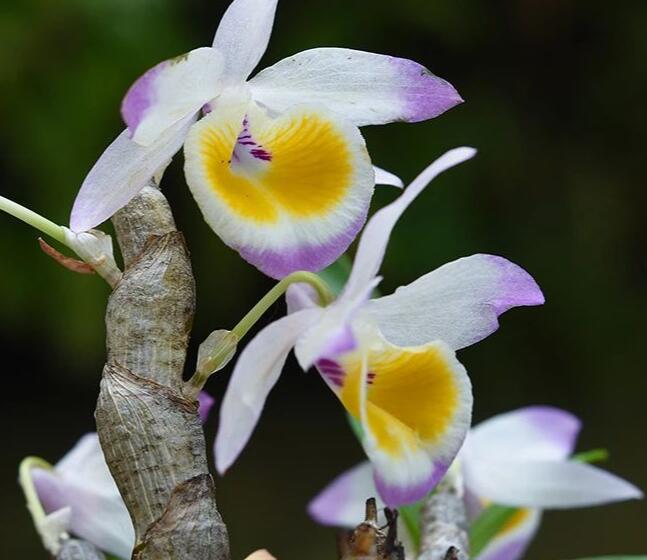
Phylogenetic dataset provides insights to diversification dynamics of orchidsIn a study published in Plant Diversity, researchers from Xishuangbanna Tropical Botanical Garden (XTBG) and Kunming Institute of Botany (KIB) investigated the phylogeny, diversity and biogeography of Cymbidium (Orchidaceae). They sought to provide a robust phylogeny to serve as the basis for understanding the evolutionary history and inferring the underlying drivers of the rich biodiversity of Cymbidium.Mar 22, 2024
-
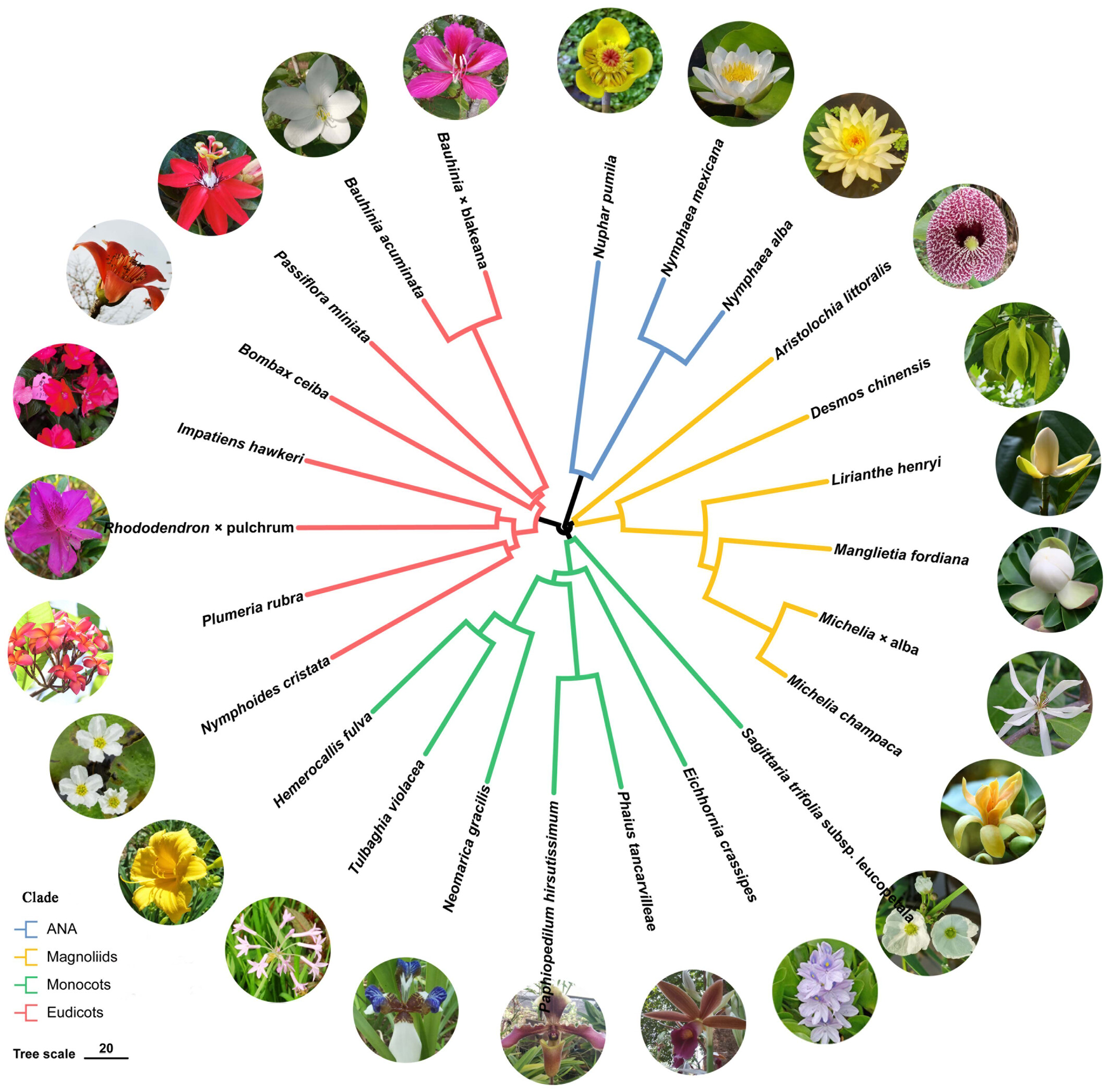
How do flowers maintain water balance across different angiosperm branches?In a study published in Plant Biology, researchers from Xishuangbanna Tropical Botanical Garden (XTBG) investigated the differences in flower water use strategies between basal angiosperms and derived groups (monocots and dicots). They measured 29 floral traits related to water transport, storage, and loss of 24 species from the ANA [Amborellales (A), Nymphaeales (N), Austroballeyales (A)] grade, magnoliids, monocots and eudicots.Mar 21, 2024
-
Researchers investigate variation of fine root vessel traits in topological order within and across tropical tree speciesIn a study published in Journal of Experimental Botany, researchers from Xishuangbanna Tropical Botanical Garden (XTBG) and their collaborators investigated the variation of fine root tubular traits in topological order within and across tropical tree species. They also explored how the fine root traits are affected by environmental factors, species characteristics, and ecological niches.Mar 18, 2024
