-
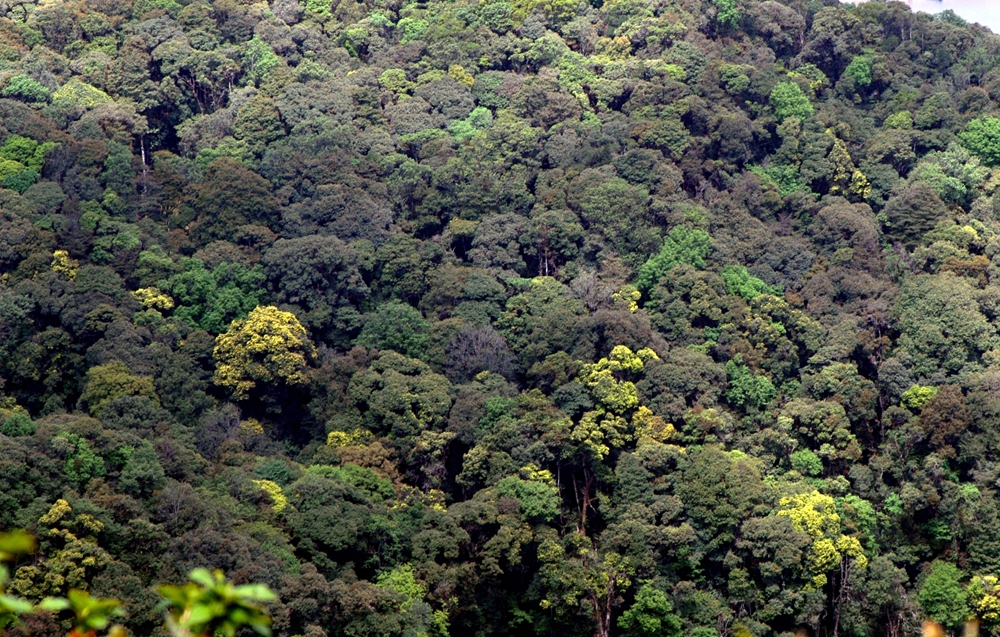
Variation of functional traits in Parashorea chinensis leaves along different tree height vertical gradientsMay 27, 2024
-
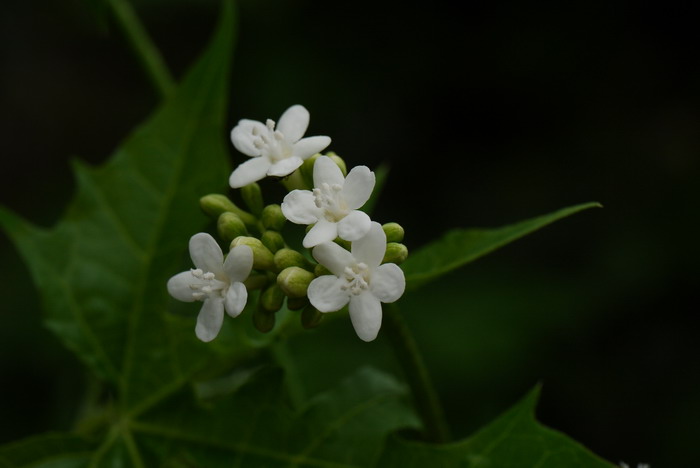
Study reveals mechanism of gibberellin inhibiting flowering of Jatropha curcasIn a study published in Plant Science, researchers from Xishuangbanna Tropical Botanical Garden (XTBG) tried to elucidate the mechanism by which gibberellin regulates the flowering of Jatropha curcas. Through the application of GA, the overexpression of GA oxidase genes and genetic complementation experiments, they investigated whether GA plays a key role in the regulation of flowering time in J. curcas.May 23, 2024
-
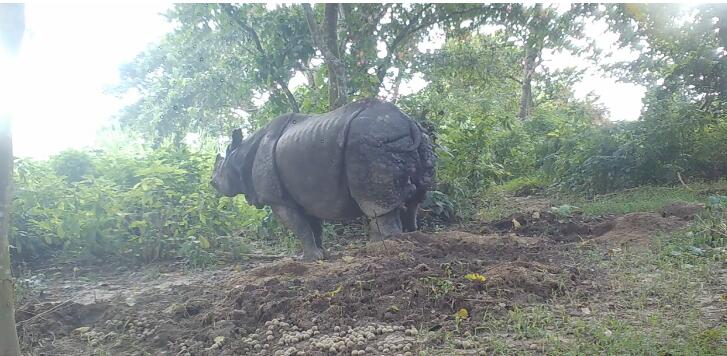
Rewilding of large-bodied animals can mitigate ecosystem deteriorationIn a study published in Biological Conservation, researchers from Xishuangbanna Tropical Botanical Garden (XTBG) and their collaborators examined the impact of the greater one-horned rhinoceros (Rhinoceros unicornis) reintroduction on restoring their ecological function, specifically their interactions with other mammals and birds via their dung (latrines).May 16, 2024
-
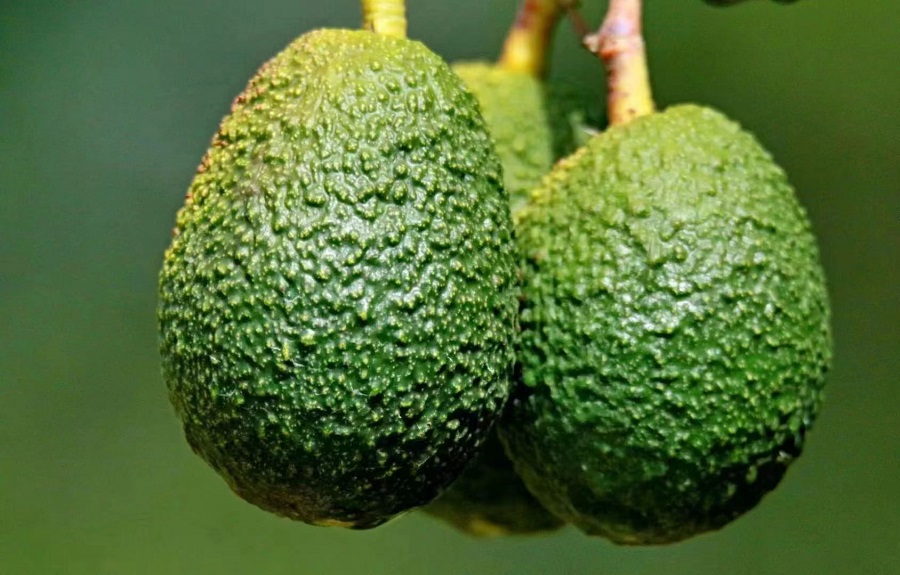
First gapless avocado genome assembly generatedIn a study published in Horticulture Research, researchers from Xishuangbanna Tropical Botanical Garden (XTBG) and Kunming Institute of Botany (KIB) used a combination of sequencing technologies to perform whole genome sequencing on West Indian avocado varieties. They successfully assembled the first telomere-to-telomere gapless 841.6Mb avocado genome sequence.May 15, 2024
-
Using reference genome of the species itself is optimal for SNP callingIn a study published in Plant Science, researchers from Xishuangbanna Tropical Botanical Garden (XTBG) evaluated the merits and limitations of both reference-based approaches, namely, employing a closely related species as the reference genome versus the species itself as the reference genome.May 13, 2024
-
Researchers clone AF "half-tendrilless" gene locus in peasIn a study published in Physiologia Plantarum, researchers from Xishuangbanna Tropical Botanical Garden (XTBG) identified the candidate mutant genes for the pea classic mutant afila as PsPALM1a and PsPALM1b, further clarifying how the conserved molecular regulatory module AF-UNI (pea)/MPL1-CaLFY (chickpea)/PALM1-SGL1 (alfalfa) mediates different compound leaf morphogenesis.May 10, 2024
-
Parasitic habit drives plastid genome structural variation and gene loss in Cuscuta speciesIn a study published in Plant Molecular Biology, researchers from Xishuangbanna Tropical Botanical Garden (XTBG) and their collaborators conducted?de novo?assembling of 29 new plastomes including 20 samples from seven Cuscuta species and nine autotrophic species of Convolvulaceae. They aimed to decipher the mechanism of plastome evolution in Cuscuta and its autotrophic plant relatives of Cuscutaceae.May 08, 2024
-
Researchers investigate impact of elevated CO2 concentration on subtropical treesIn a study published in Agricultural and Forest Meteorology, researchers from Xishuangbanna Tropical Botanical Garden (XTBG) and their collaborators investigated the effects of increased CO2 concentration on leaf gas exchange, nitrogen and phosphorus concentrations, leaf and stem hydraulic conductivity, and growth of seedlings of four evergreen and four deciduous tree seedlings in Ailaoshan subtropical forest in Yunnan.May 07, 2024
-
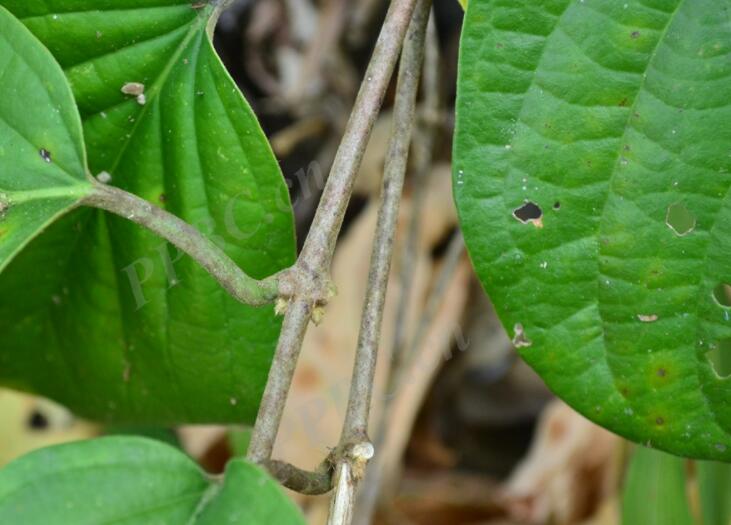
Aspidopterys obcordata has potential in managing kidney stonesIn a study published in Journal of Ethnopharmacology, researchers from Xishuangbanna Tropical Botanical Garden (XTBG) investigated the effect of inulin-type AOFOS from Aspidopterys obcordata on urinary calcium oxalate crystals to explore its effectiveness and mechanism in treating renal calculi in rats.Apr 30, 2024
-
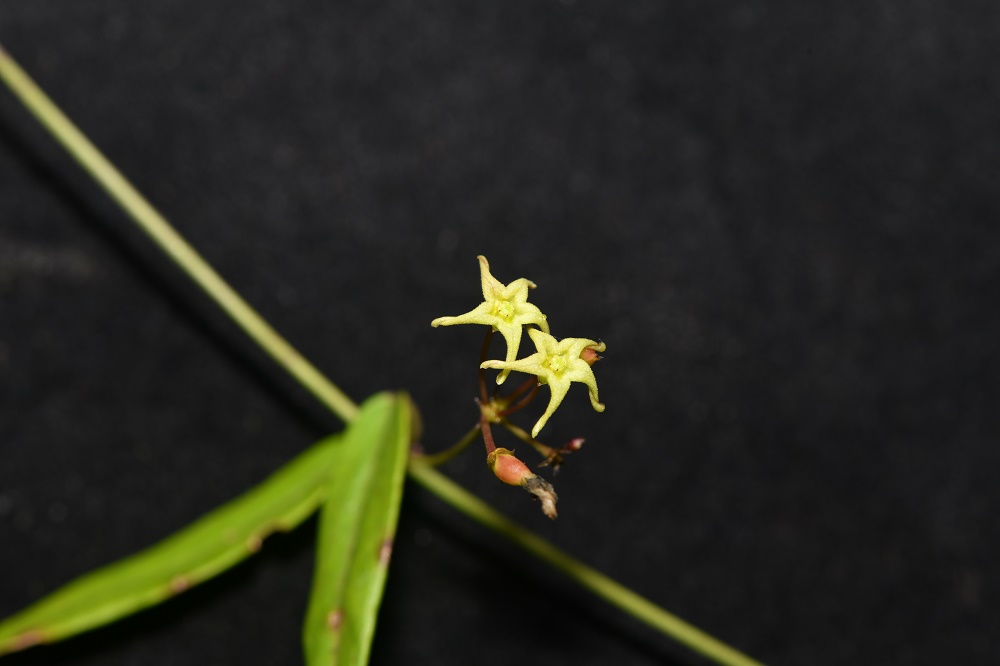
New Vincetoxicum species found in YunnanDuring a plant resource survey in Gongshan County, Yunnan Province in 2022, researchers from Xishuangbanna Tropical Botanical Garden (XTBG) and Wuhan Botanical Garden (WBG) discovered a special vine plant of the genus Vincetoxicum. After consulting relevant literature and comprehensive morphological character analysis, they finally confirmed that the species is new to botanical science.Apr 29, 2024
-
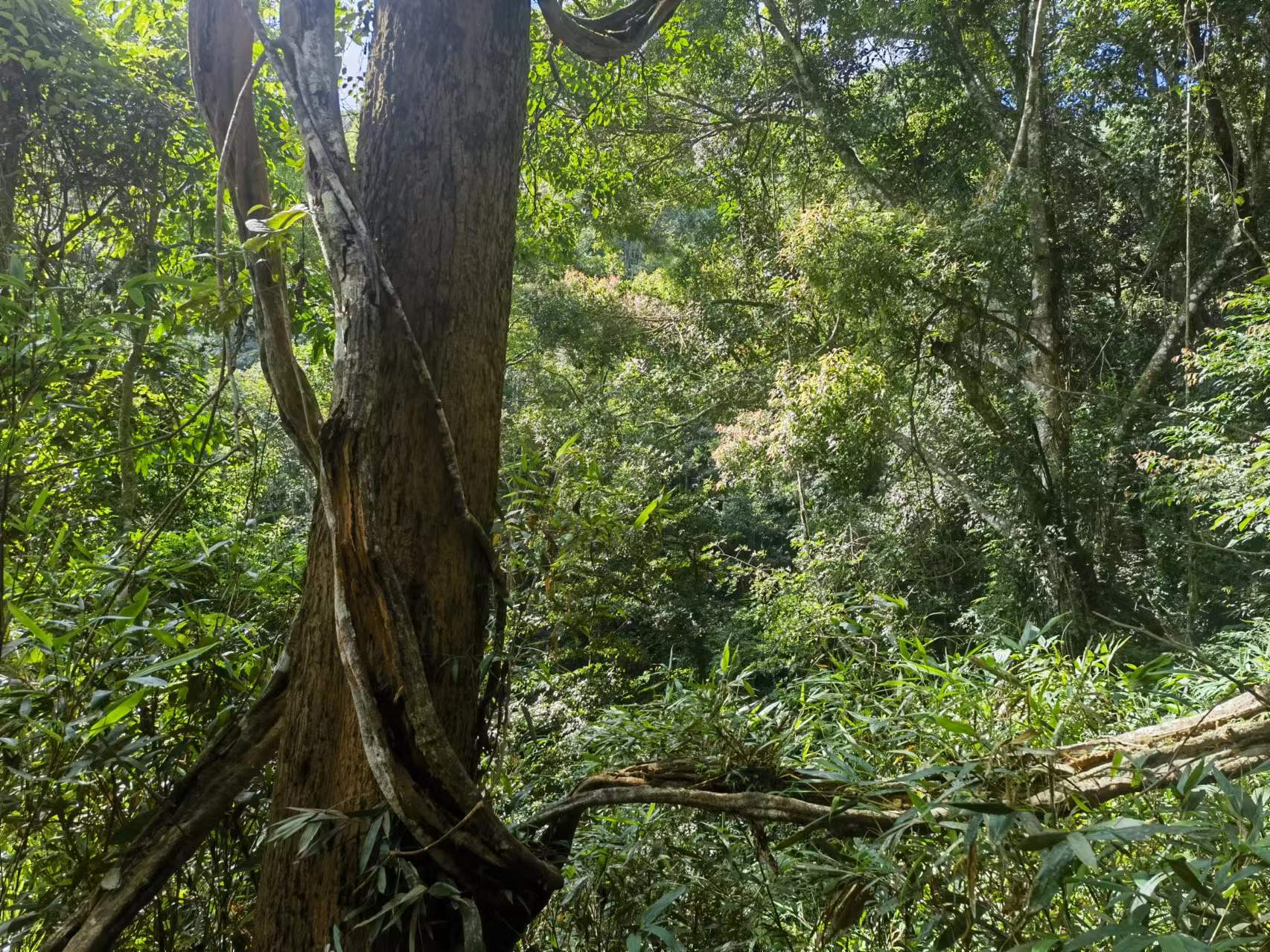
Afterlife effects of lianas are important to forest biogeochemistryIn a study published in Global Change Biology, researchers from Xishuangbanna Tropical Botanical Garden (XTBG) and their collaborators discussed the effects of lianas on forest biogeochemistry during their lives and after lives. They argued that lianas not only have some effects during the lifetime but also leave a legacy in terms of carbon and nutrients cycling after death.Apr 28, 2024
-
Botanists discuss origin and evolution of East Asian floraApr 26, 2024