-
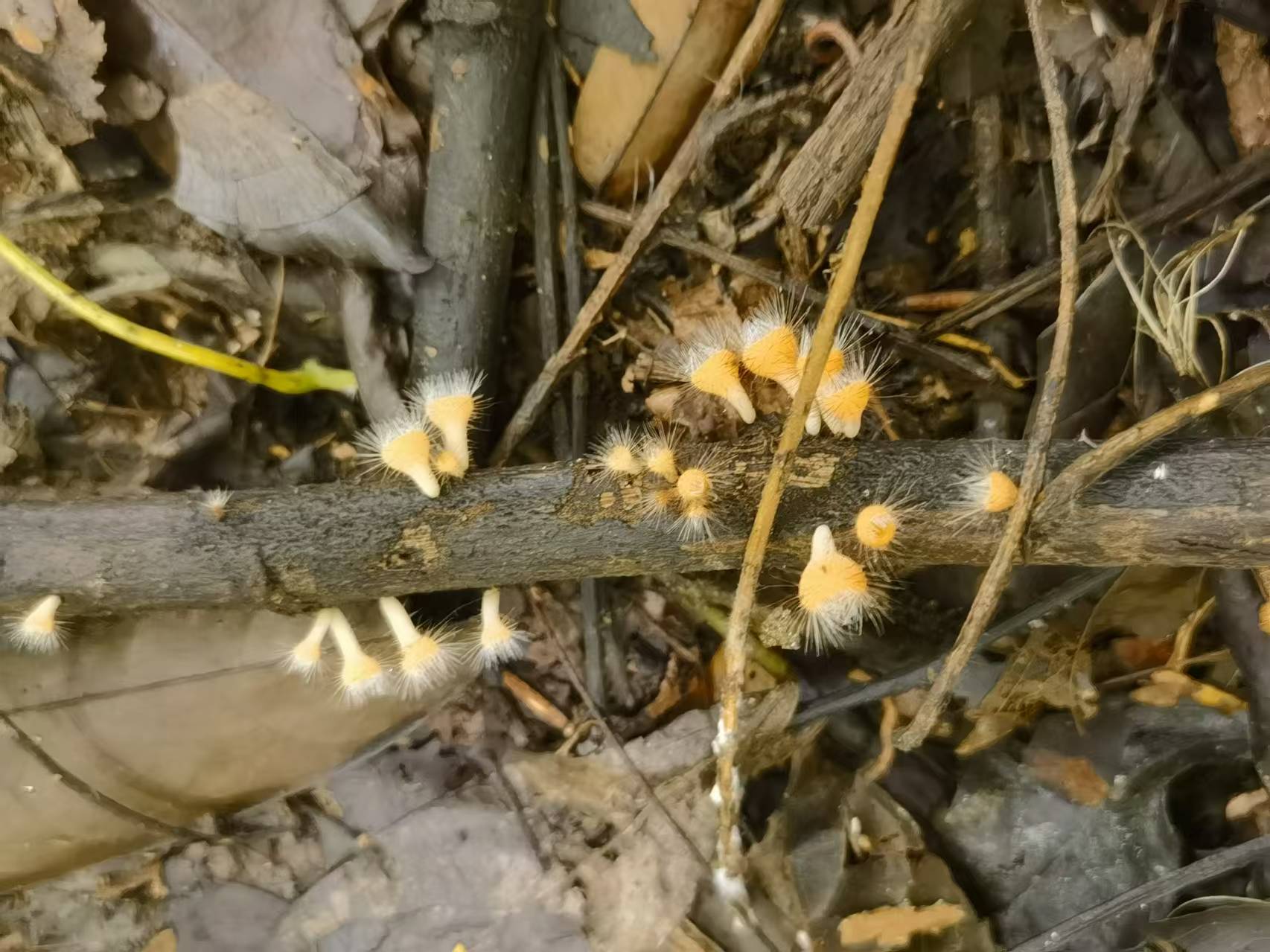
Invertebrates increase wood decomposition by 40% or so: studyResearchers carried out a meta-analysis to quantify global drivers of variation in the invertebrate effect, the collective contribution of multiple groups of invertebrates (e.g., termites, wood-boring insects), on wood decomposition. Specifically, they evaluated how climate, wood size, bark presence or absence, wood debris type, and species clade (gymnosperms or angiosperm) influenced the invertebrate effect on wood decomposition globally.Sep 19, 2024
 Invertebrates increase wood decomposition by 40% or so: study" title="Invertebrates increase wood decomposition by 40% or so: study" />
-
Drier pre-monsoon conditions delay tropical tree growthIn a study published in Tree Physiology, researchers from Xishuangbanna Tropical Botanical Garden (XTBG) and their collaborators studied the differences in radial growth and xylem formation of two common tree species in the tropical montane evergreen broad-leaved forest of Xishuangbanna in 2020 and 2021, as well as their relationship with climatic factors, by using high-precision growth meters and microcore method.Sep 14, 2024
-
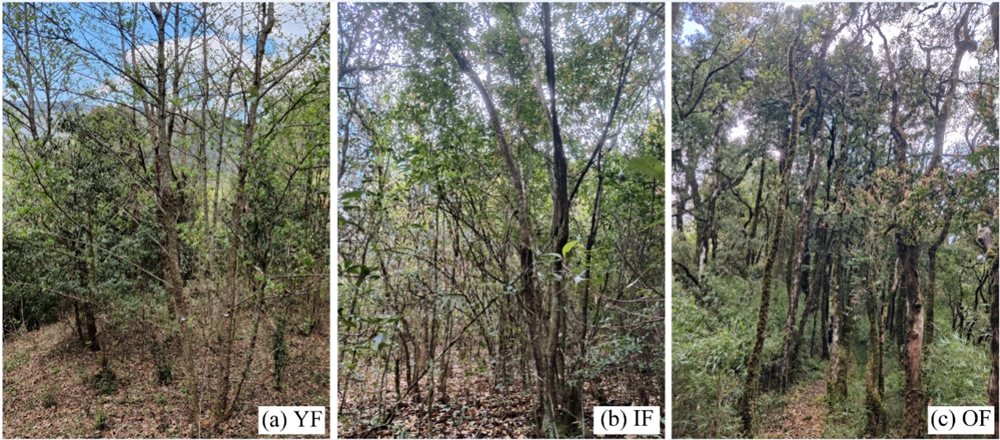
Trees adapt to changing environment by adjusting trait modules: studySep 11, 2024
 Trees adapt to changing environment by adjusting trait modules: study" title="Trees adapt to changing environment by adjusting trait modules: study" />
-
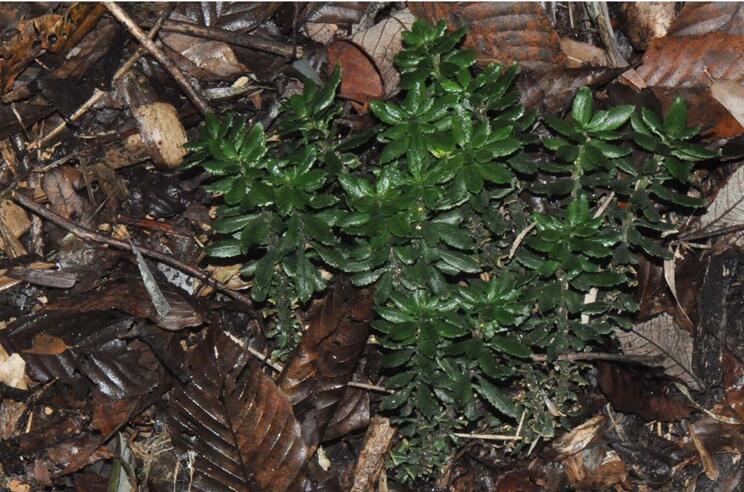
New Firmoss Species Found in GuizhouDuring medicinal plant inventories in Guizhou, researchers from Xishuangbanna Tropical Botanical Garden (XTBG) and their collaborators discovered unknown plant materials morphologically similar to Huperzia javanica. After consulting Huperzia checklists of China, local floras, and careful comparison of morphological characters with previously described species by checking specimens and species protologue for all the known species of Huperzia, the researchers considered that the plant material represented a new species.Sep 04, 2024
-
Phylogeny is vital to study tree growth response to changing climateIn a study published in Journal of Geophysical Research: Biogeosciences, researchers from Xishuangbanna Tropical Botanical Garden (XTBG) and their collaborators explored the link between tree radial growth and evolutionary relationships (i.e., phylogeny), especially under stress conditions such as drought.Sep 03, 2024
-
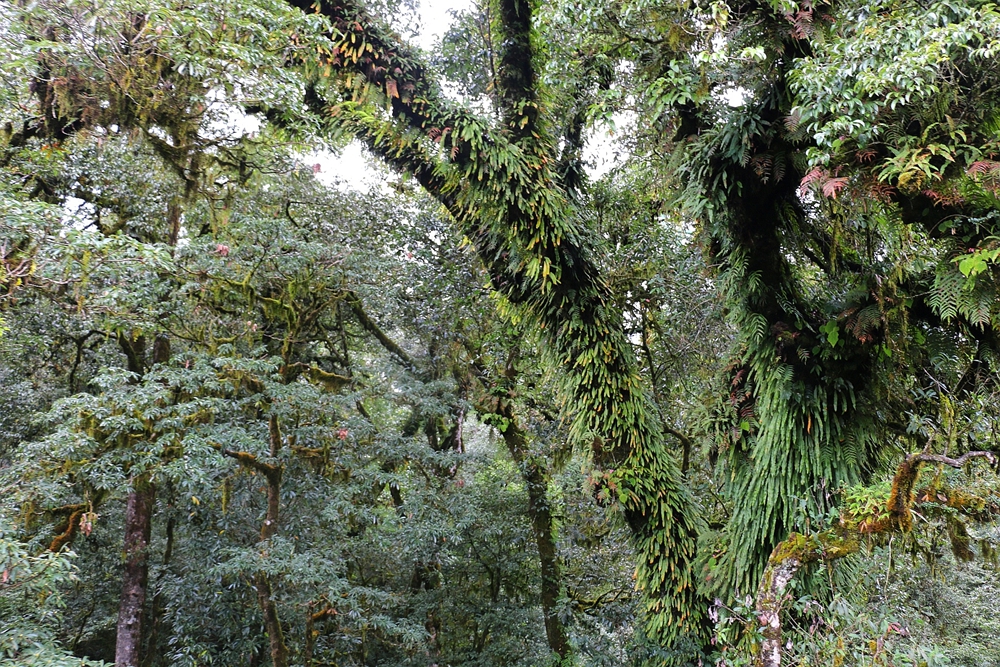
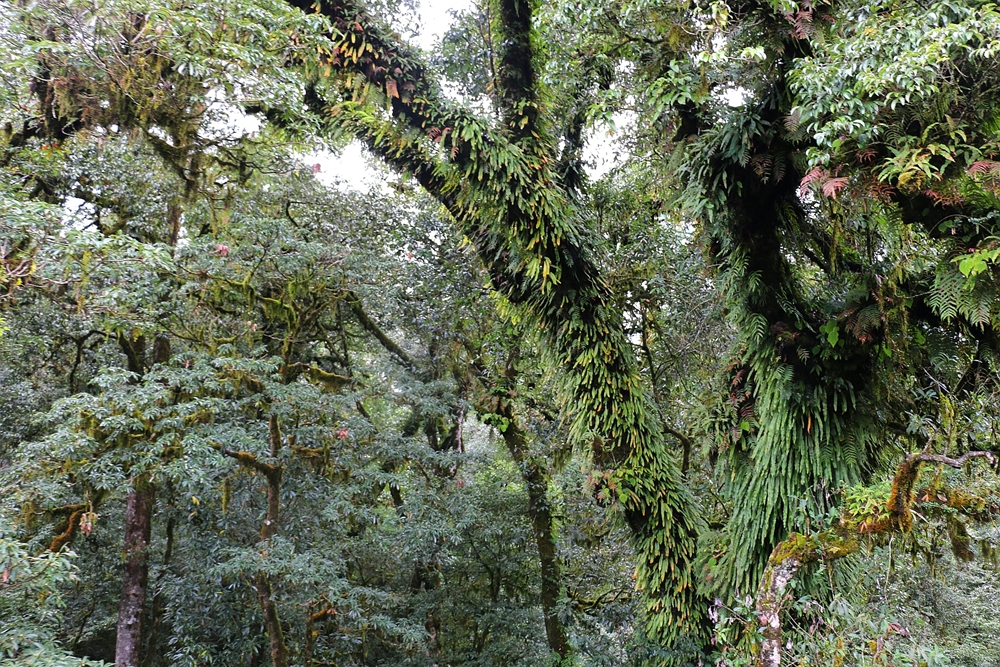
Host size and epiphyte richness distribution: underlying factors in forming stable networksIn a study published in Ecological Indicators, researchers from Xishuangbanna Tropical Botanical Garden (XTBG) tried to explore how to identify the critical transition indicator by simulating the dynamics of network assembly and use this indicator to compare the stability structure of different ecological networks. They utilized dynamic simulations to identify how three key structural indicators (connectance, nestedness and modularity) changed with increasing sampling size, by integrating data on epiphytic mosses and epiphytic vascular plants collected from investigations in tropical rainforest and subtropical forest of Yunnan.Aug 26, 2024
-
Host size and epiphyte richness distribution: underlying factors in forming stable networksIn a study published in Ecological Indicators, researchers from Xishuangbanna Tropical Botanical Garden (XTBG) tried to explore how to identify the critical transition indicator by simulating the dynamics of network assembly and use this indicator to compare the stability structure of different ecological networks. They utilized dynamic simulations to identify how three key structural indicators (connectance, nestedness and modularity) changed with increasing sampling size, by integrating data on epiphytic mosses and epiphytic vascular plants collected from investigations in tropical rainforest and subtropical forest of Yunnan.Aug 26, 2024
-
Heterogeneous occurrence of evergreen broad-leaved forests revealed by plant fossils East AsiaAug 22, 2024
-
Study identifies genes involved in tuber oil accumulation in Cyperus esculentusIn a study published in Plant Science, researchers from Xishuangbanna Tropical Botanical Garden (XTBG) investigated the genomic and transcriptomic features of C. esculentus and its related species to reveal potential genes and regulatory networks associated with tuber oil accumulation.Aug 21, 2024
-
Study identifies genes involved in tuber oil accumulation in Cyperus esculentusIn order to explore the mechanism of oil accumulation in nutrient organs, researchers from Xishuangbanna Tropical Botanical Garden (XTBG) used high-oil, medium-oil Acorus calamus and Cyperus rotundus tubers as research materials, and compared the differences in gene transcription through comparative genomics and transcriptomics analysis.Aug 21, 2024
-
Extreme drought reduces litterfall production in subtropical forestIn a study published in Ecological Indicators, researchers from Xishuangbanna Tropical Botanical Garden (XTBG) investigated the dynamics of production of litter fraction in response to extreme drought. They explored the effects of extreme drought events on litterfall production in a subtropical evergreen broad-leaved forest and the differences in litterfall recovery mechanisms under different seasons (year-round, concurrent drought, non-drought period, rainy season and dry season).Aug 13, 2024
Extreme drought reduces litterfall production in subtropical forest" title="Extreme drought reduces litterfall production in subtropical forest" />
