-
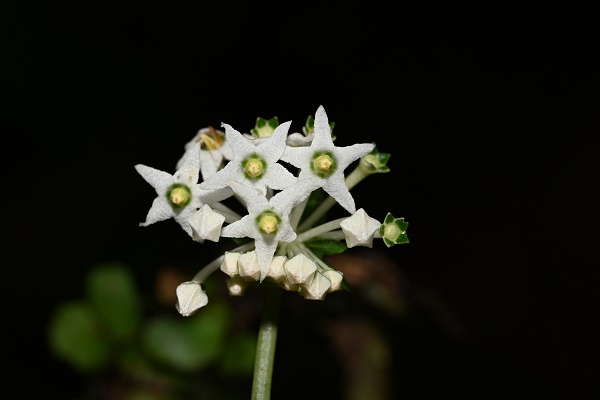
New Perennial Herb Species Found in Southern MyanmarDuring a field expedition in southern Myanmar in August 2024, researchers from Xishuangbanna Tropical Botanical Garden (XTBG) of the Chinese Academy of Sciences identified an unknown plant belonging to the genus Argostemma, a group of small succulent herbs in the Rubiaceae family. After careful morphological studies, the researchers confirmed that the specimen represents a species new to science.Oct 11, 2025
-
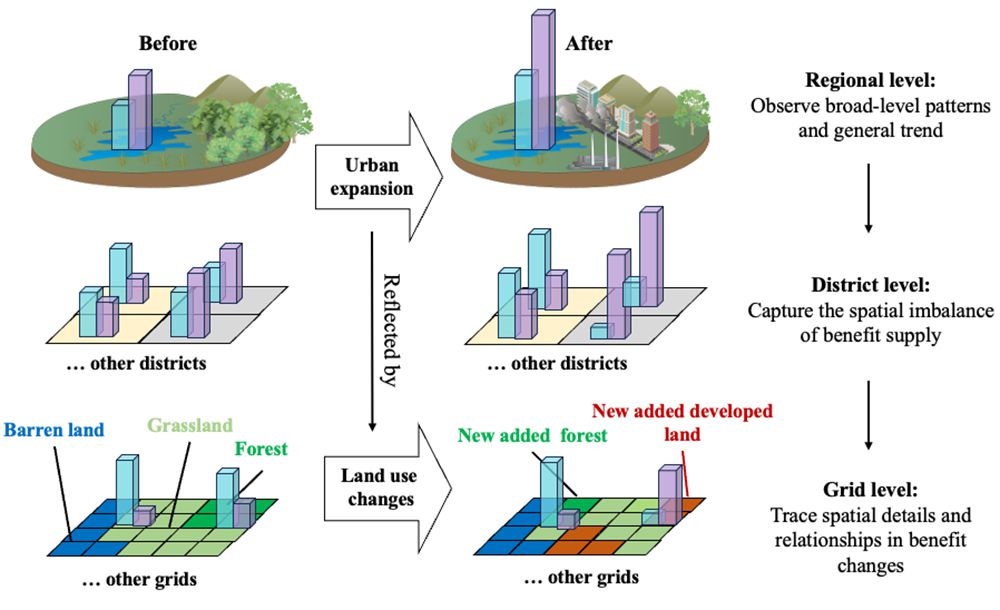
New Framework Traces Spatial Shifts in Economic and Ecological Benefits During Urban ExpansionResearchers from Xishuangbanna Tropical Botanical Garden (XTBG) of the Chinese Academy of Sciences and their collaborators have introduced a new framework that integrates biophysical processes with the “source-flow-sink” theory. This approach enables the tracking of spatial flows of both economic benefits and ecosystem services across regional, district, and grid scales during urban growth.Oct 11, 2025
-
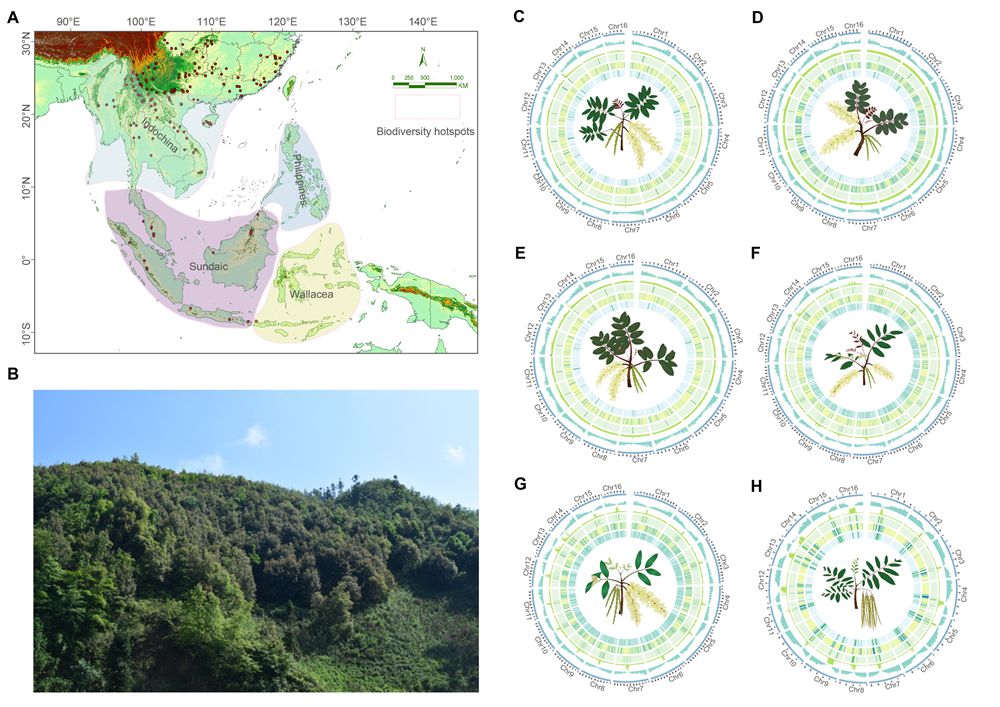
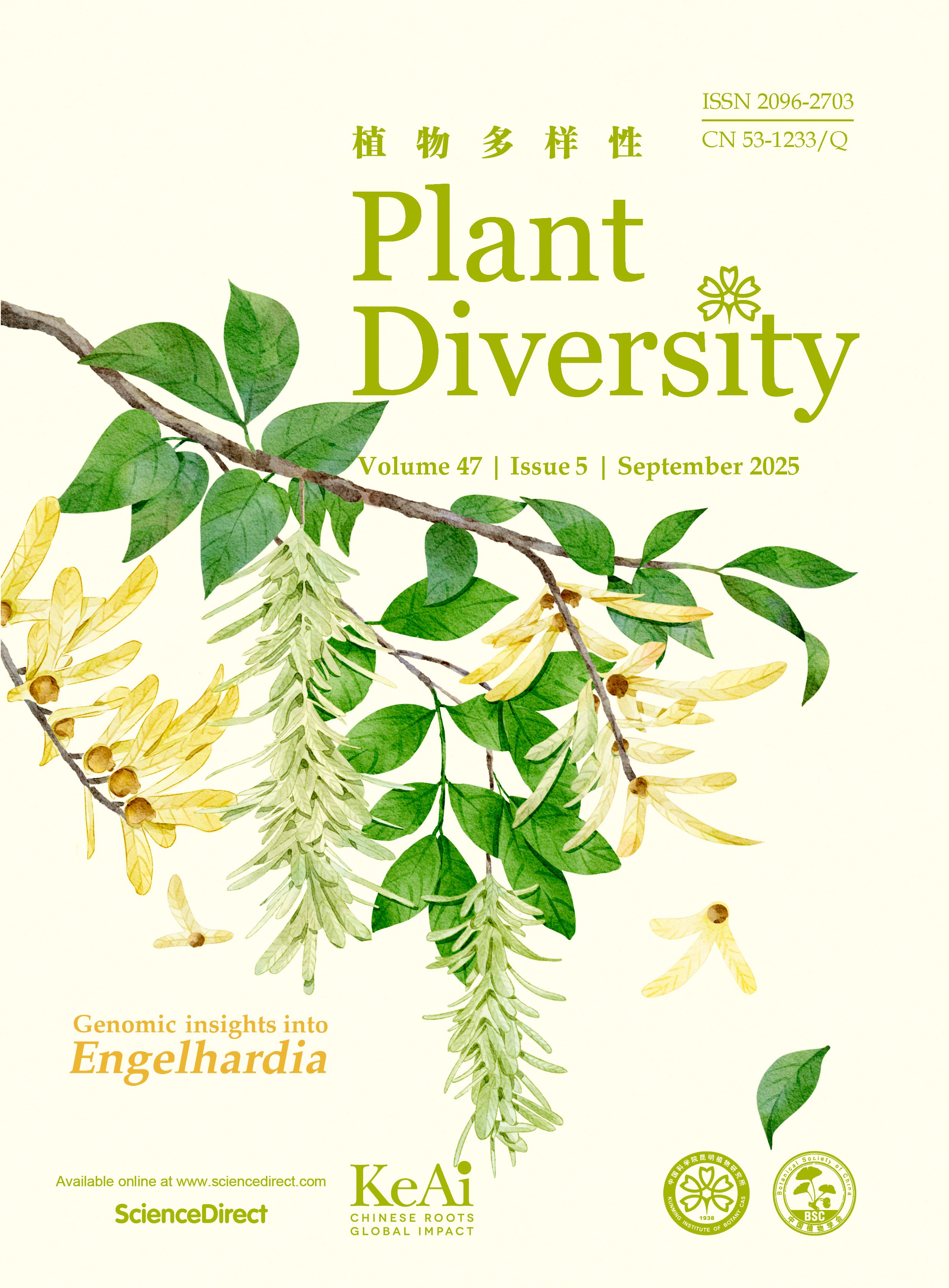
How the East Asian Summer Monsoon Influenced the Genomic Evolution of EngelhardiaOct 11, 2025
-
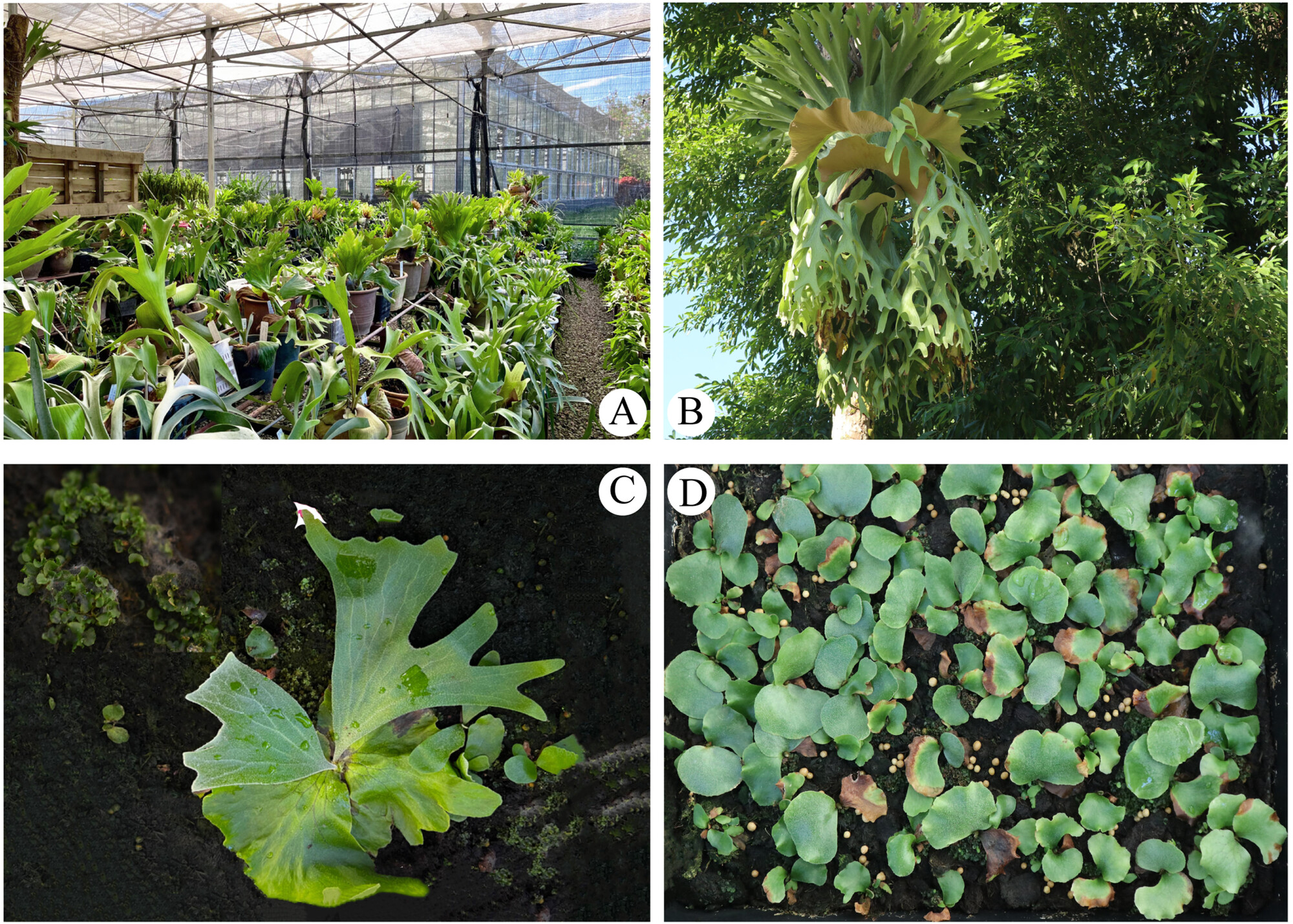
DNA barcoding ensures to obtain reliable identification of staghorn ferns in botanical gardensOct 09, 2025
-
How do Engelhardia trees adapt to the East Asian summer monsoon?Sep 30, 2025
 How do Engelhardia trees adapt to the East Asian summer monsoon?" title="How do Engelhardia trees adapt to the East Asian summer monsoon?" />
-
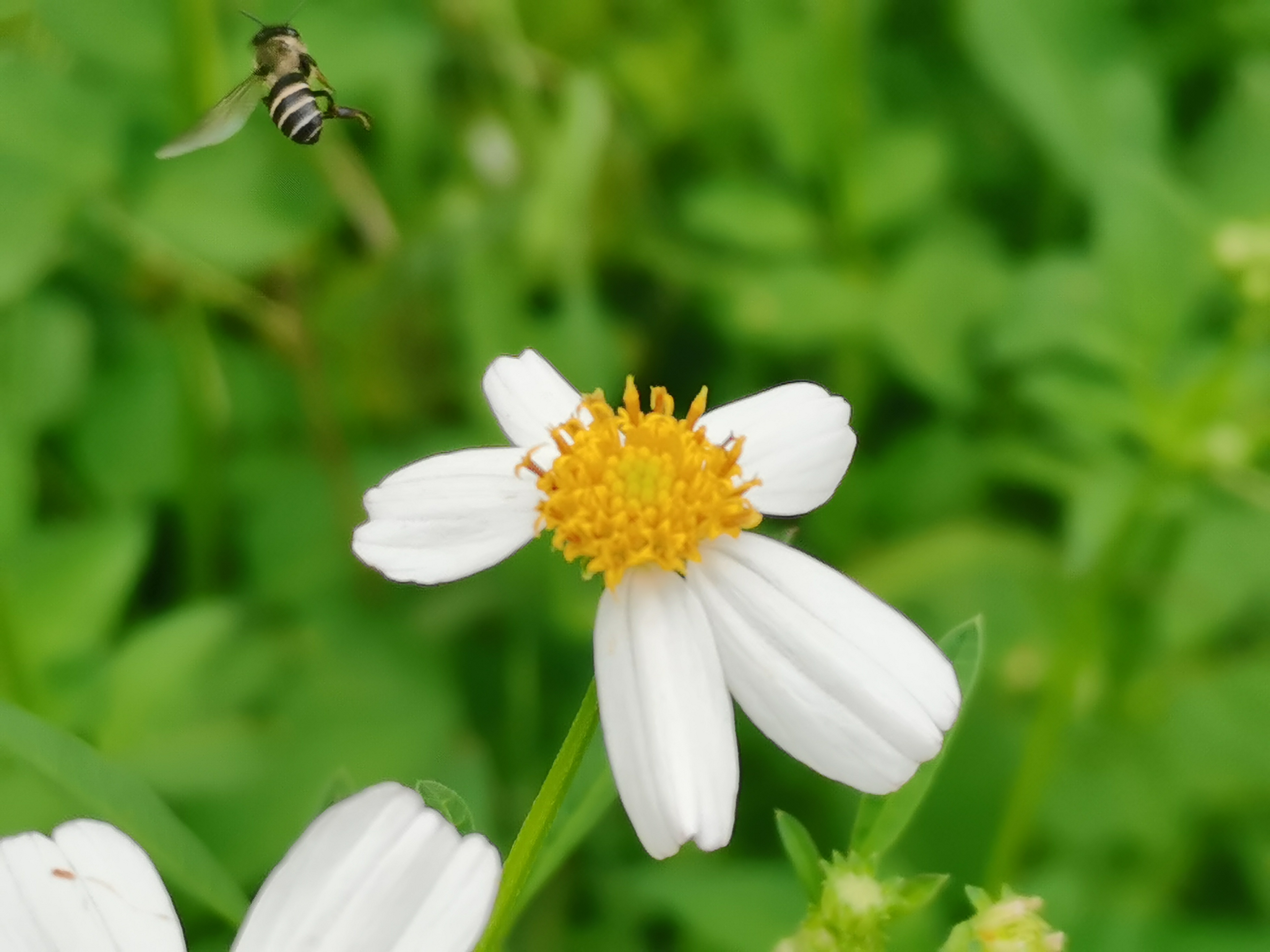
Honeybees Use Dance Communication to Form Expectations of the LandscapeResearchers from Xishuangbanna Tropical Botanical Garden (XTBG)of the Chinese Academy of Sciences and Freie Universität Berlin investigated whether follower bees combine the dance-derived vector with their memory of landscape features to form a more precise flight path.Sep 26, 2025
-
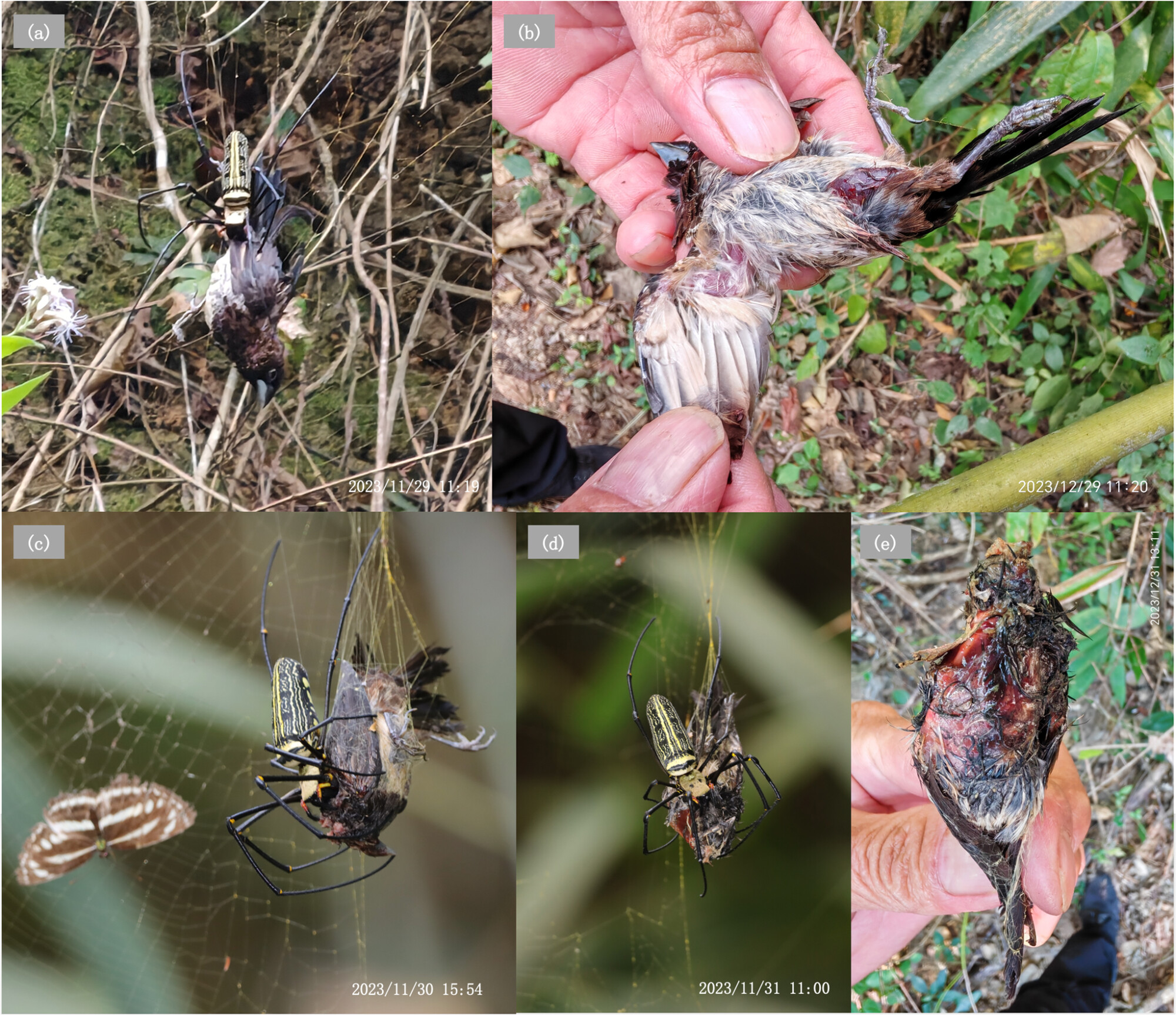
Rare cases of spiders preying on vertebrates documented in XishuangbannaIn a study published in Integrative Conservation, researchers have documented four rare and striking instances of spiders preying on vertebrate animals at the Xishuangbanna Tropical Botanical Garden (XTBG) in Yunnan Province, Southwest China. The cases, which involved prey from avian, reptilian, and mammalian classes, provide insights into the hidden trophic interactions within tropical ecosystems.Sep 24, 2025
 Rare cases of spiders preying on vertebrates documented in Xishuangbanna" title="Rare cases of spiders preying on vertebrates documented in Xishuangbanna" />
-
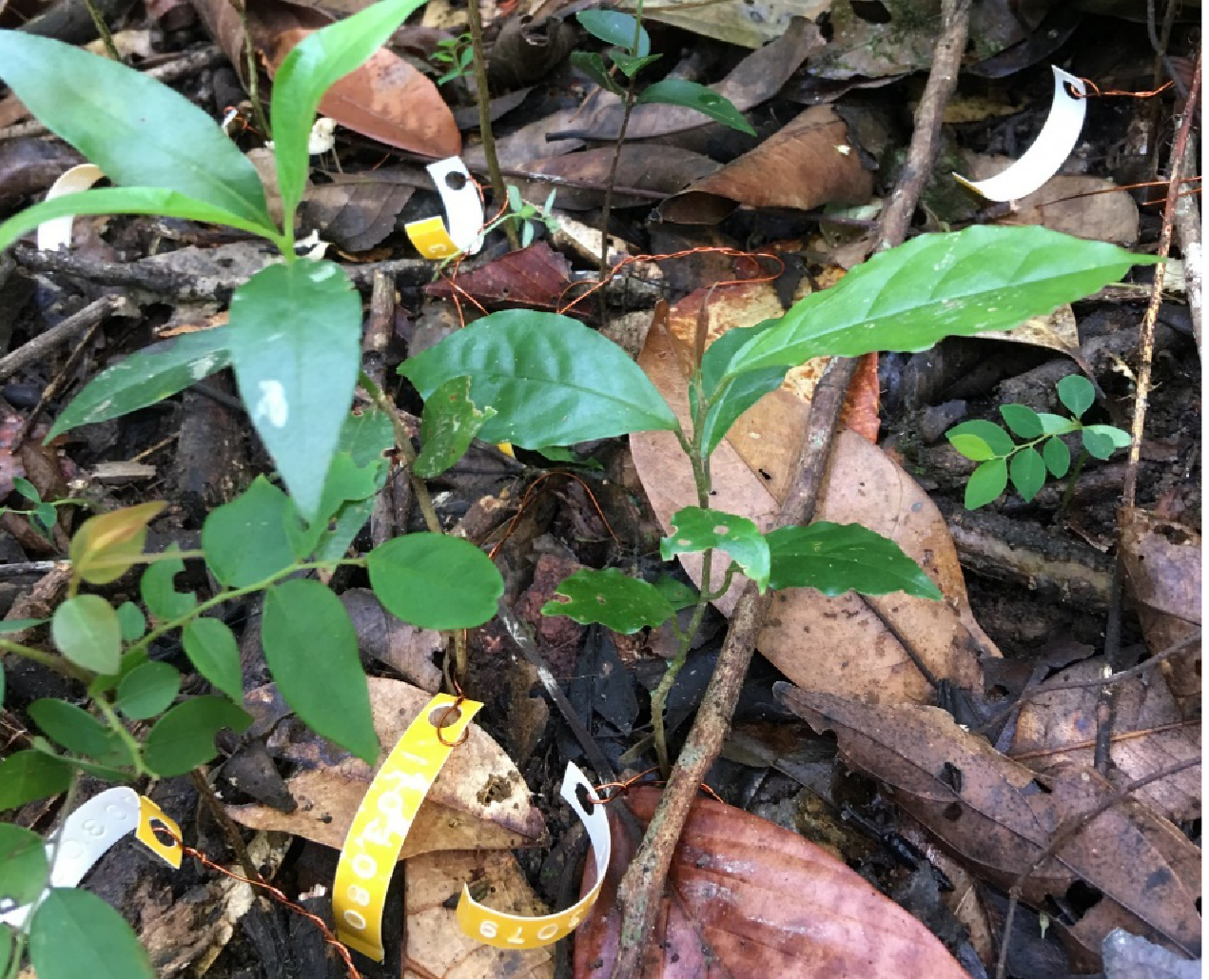
How Does Neighbor Density Affect Seedling Survival in Tropical Trees and Lianas?Researchers from Xishuangbanna Tropical Botanical Garden (XTBG) of the Chinese Academy of Sciences directly compared how neighbor density influences seedling survival in trees and lianas (woody vines). They found that lianas experience much stronger conspecific negative density dependence than trees during their early seedling stages.Sep 24, 2025
-
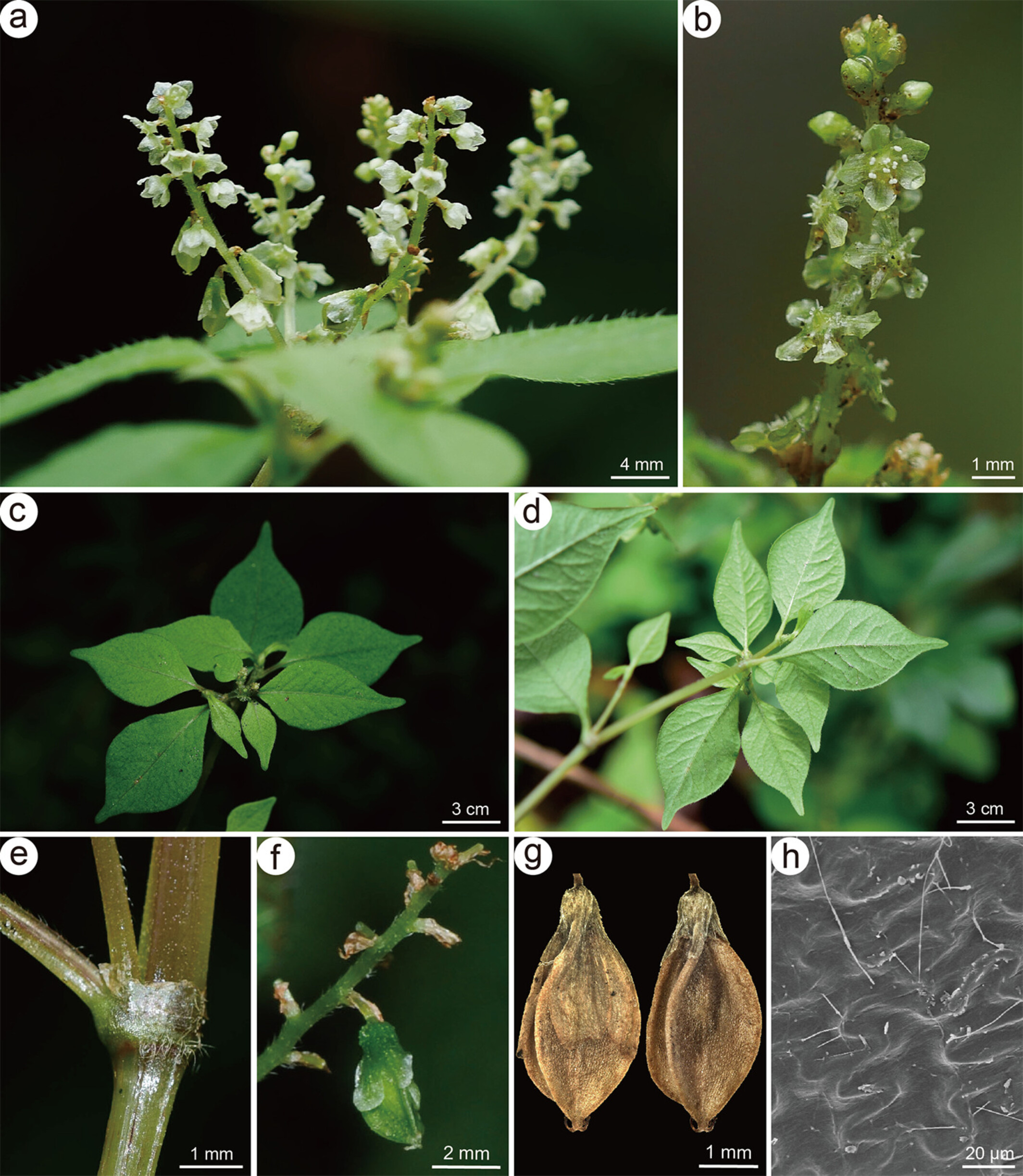
New Plant Species with Special Reproductive Strategy Found in Medog, XizangResearchers from Xishuangbanna Tropical Botanical Garden (XTBG) of the Chinese Academy of Sciences have recently reported a new plant species, Koenigia medogensis, in the remote Medog County of southeastern Xizang (Tibet), China. What sets Koenigia medogensis apart from all known related species is its unique reproductive strategy: it produces bulbils—small bulb-like vegetative structures—at both the tips of its stolons (horizontal stems) and at the base of its flower clusters.Sep 18, 2025
-
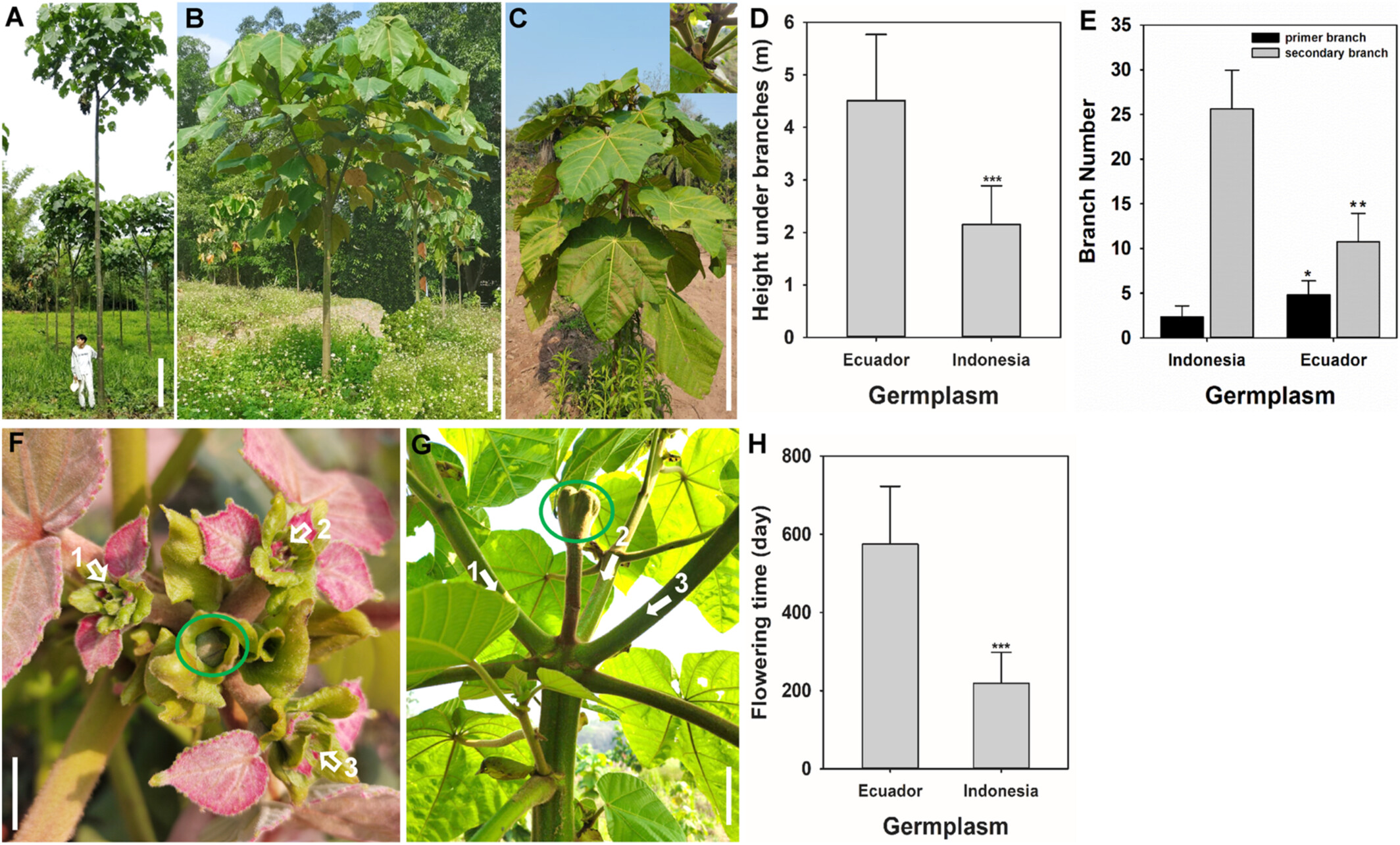
Why Do Balsa Trees Branch Early in Xishuangbanna?Researchers from the Xishuangbanna Tropical Botanical Garden (XTBG) of the Chinese Academy of Sciences have revealed the molecular mechanism behind early branching in balsa trees—a trait that limits wood production and commercial cultivation. The study identified a key gene, FLOWERING LOCUS T (OlFT-like), as a central regulator governing both flowering time and branch initiation.Sep 17, 2025
-
Study unveils evolutionary journey of East Asian subtropical evergreen broad-leaved forestsSep 12, 2025
-
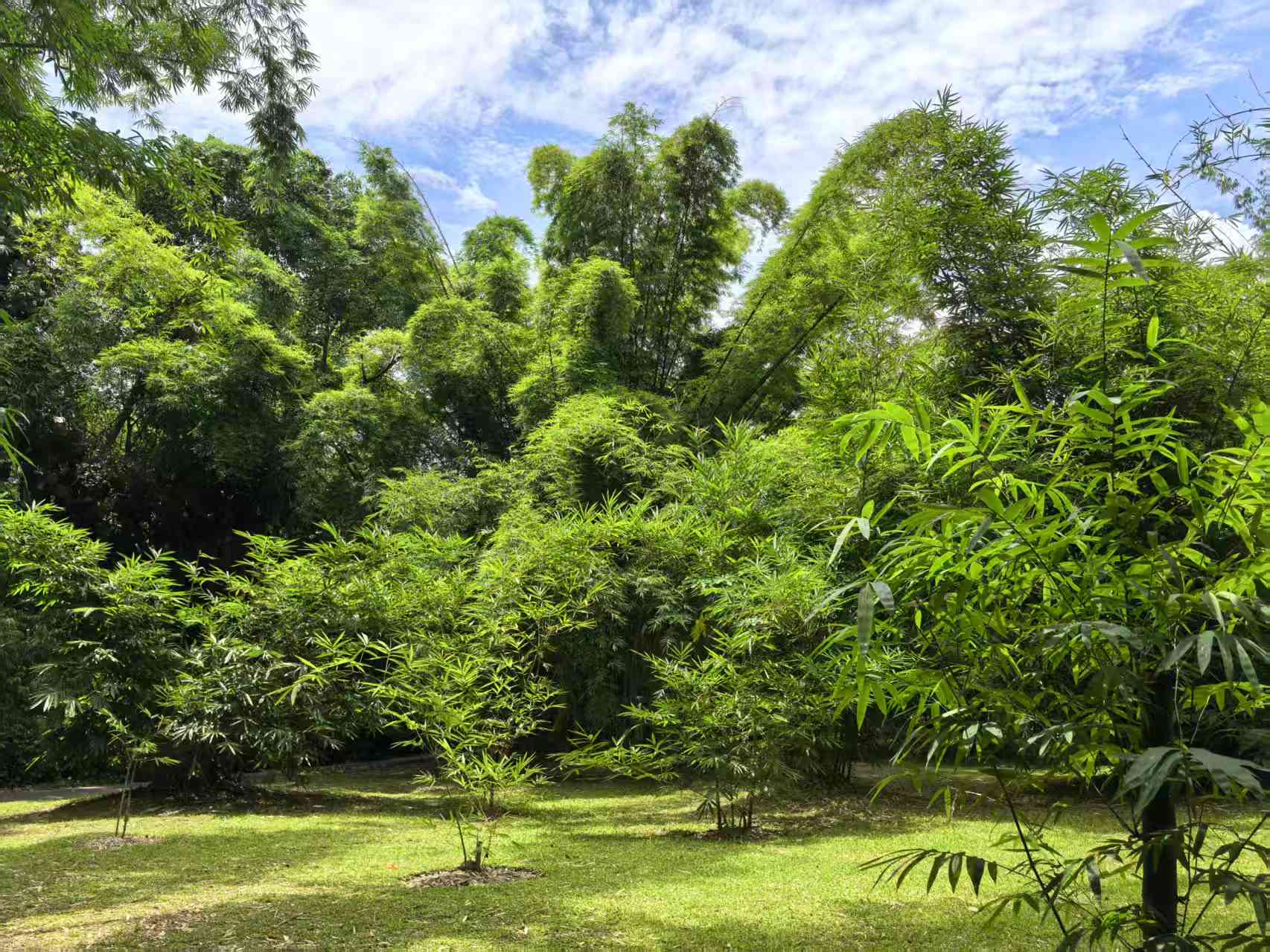
How Do Bamboo Leaves Curl to Conserve Water During Drought?Researchers from Xishuangbanna Tropical Botanical Garden (XTBG) of the Chinese Academy of Sciences revealed how specialized cells in bamboo leaves trigger curling to minimize water loss and regulate water potential during dry conditions. The research quantitatively linked leaf anatomy, particularly the role of bulliform cells, to water conservation mechanisms across multiple bamboo species.Sep 12, 2025