-
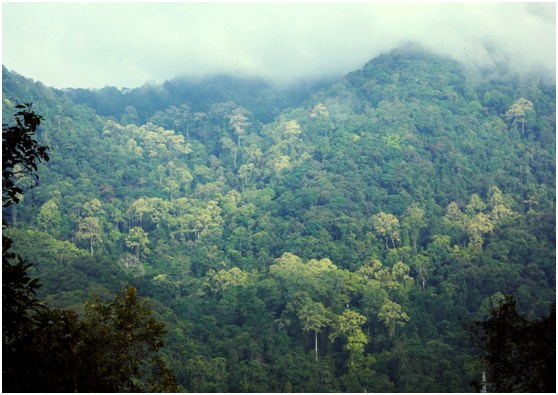
How do subtropical tree species adapt growth patterns to climate variability?May 20, 2025
-
How does Rice Balance Iron Acquisition with Detoxification?In a study published in New Phytologist, researchers from Xishuangbanna Tropical Botanical Garden (XTBG) of the Chinese Academy of Sciences provided new insights into the molecular mechanisms regulating Fe homeostasis in rice (Oryza sativa), highlighting the critical roles of transcription factors OsbHLH062 and OsIRO3 in balancing Fe uptake and preventing toxicity.May 20, 2025
-
Leaf Habits and Plant Height: Key Factors Determining Tree Survival in SavannasMay 15, 2025
-
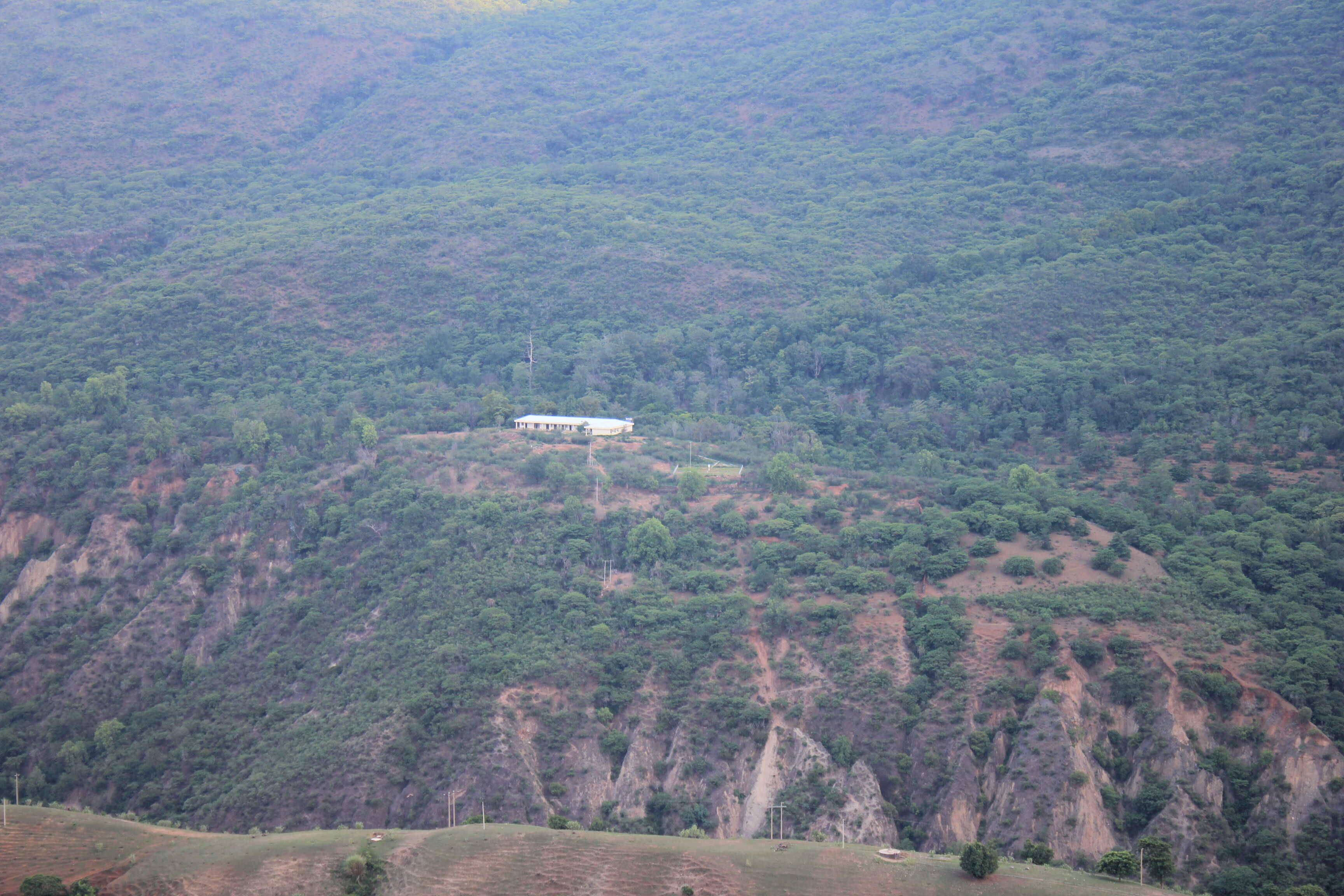
Study unveils floristic patterns of China's karst woody plantsMay 14, 2025
-
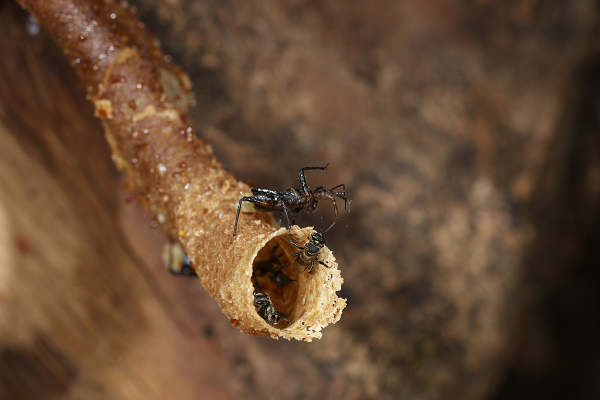
Study reveals how assassin bugs manipulate prey communication to enhance hunting successResearchers have discovered a remarkable example of tool use in the insect world: the assassin bug (Pahabengkakia piliceps) weaponizes resin from stingless bee nests to trick its prey into attacking at the ideal predation part. The bugs chemically “hack” bee resin to turn colony defenses into a hunting aid. Published in PNAS, this finding provides the first comprehensive evidence of an invertebrate predator using tools to exploit the collective defenses of social insects.May 13, 2025
-
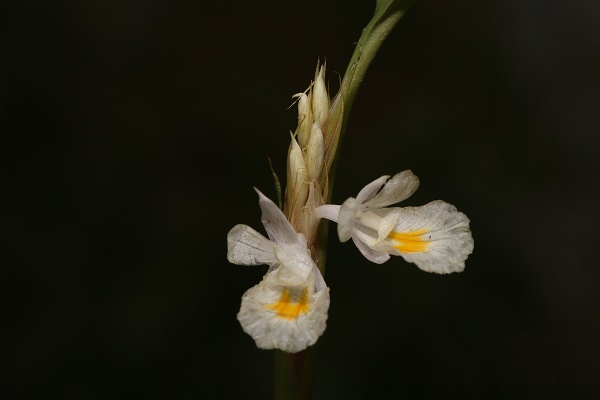
New Ginger Species Discovered in MyanmarA team of researchers from the Xishuangbanna Tropical Botanical Garden (XTBG) of the Chinese Academy of Sciences, in collaboration with the Forest Research Institute of Myanmar, has identified a new plant species of Zingiberaceae (ginger family), Monolophus unifolius, during fieldwork surveying plant diversity in Myanmar’s Htamanthi Wildlife Sanctuary.May 08, 2025
-
Study Reveals Key Genetic Regulators of Tomato Fruit SizeResearchers from Xishuangbanna Tropical Botanical Garden (XTBG) of the Chinese Academy of Sciences conducted a genome-wide analysis and discovered two homologs of AtSAP, designated as SlSAP1 and SlSAP2 which belong to the STERILE APETALA1 (SAP) family, respectively. They uncovered the molecular mechanisms behind tomato fruit size regulation, shedding light on how two critical genes, SlSAP1 and SlSAP2, control cell proliferation and expansion to determine fruit dimensions.May 07, 2025
Study Reveals Key Genetic Regulators of Tomato Fruit Size" title="Study Reveals Key Genetic Regulators of Tomato Fruit Size" />
-
Artificial Light Disrupts Honey Bee Cognition Through Norepinephrine SurgeA collaborative study led by researchers from the Xishuangbanna Tropical Botanical Garden (XTBG) of the Chinese Academy of Sciences and the University of California, San Diego, has uncovered how prolonged artificial light exposure disrupts physiology and cognitive functions of honey bees (Apis mellifera).Apr 29, 2025
-
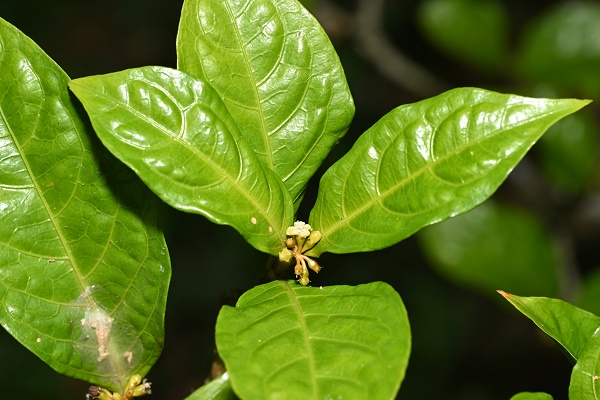
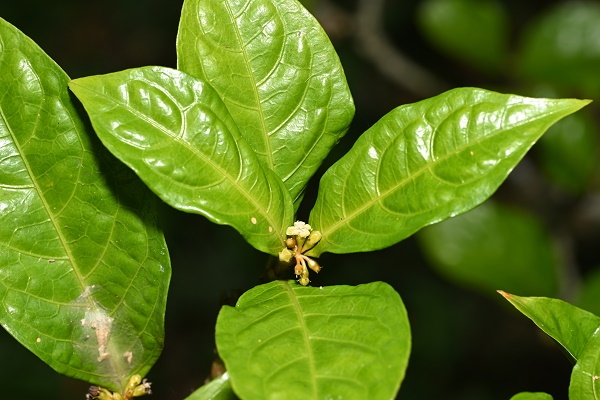
New Pantropical Eumachia Species Found in YunnanResearchers from Xishuangbanna Tropical Botanical Garden (XTBG) of the Chinese Academy of Sciences has identified a new plant species, Eumachia brevipedunculata, in the tropical rainforests of southern Yunnan, China, and northern Laos.Apr 28, 2025
 New Pantropical Eumachia Species Found in Yunnan" title="New Pantropical Eumachia Species Found in Yunnan" />
-
New Pantropical Eumachia Species Found in YunnanResearchers from Xishuangbanna Tropical Botanical Garden (XTBG) of the Chinese Academy of Sciences has identified a new plant species, Eumachia brevipedunculata, in the tropical rainforests of southern Yunnan, China, and northern Laos.Apr 28, 2025
 New Pantropical Eumachia Species Found in Yunnan" title="New Pantropical Eumachia Species Found in Yunnan" />
-
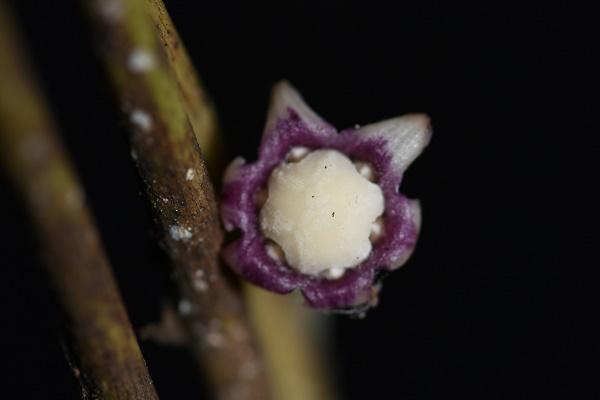
New Aspidistra Species Discovered in Karst Forests of YunnanA team of researchers from Xishuangbanna Tropical Botanical Garden (XTBG) of the Chinese Academy of Sciences and their collaborators have identified a new species of Aspidistra (Asparagaceae) in the karst forests of Yunnan Province, China, further highlighting the region’s extraordinary biodiversity.Apr 25, 2025
-
Intraspecific Metabolite Variation Being Crucial in Shaping Chemical Diversity in Tropical ForestsResearchers from Xishuangbanna Tropical Botanical Garden (XTBG) of the Chinese Academy of Sciences and their collaborators provided insight to the intricate mechanisms shaping chemical diversity in tropical forests, emphasizing the critical role of intraspecific variation in plant metabolites. They presented the first metabolomic study of genetic and environmental drivers of intraspecific metabolite variation in tree species co-occurring within a tropical forest community.Apr 23, 2025