-
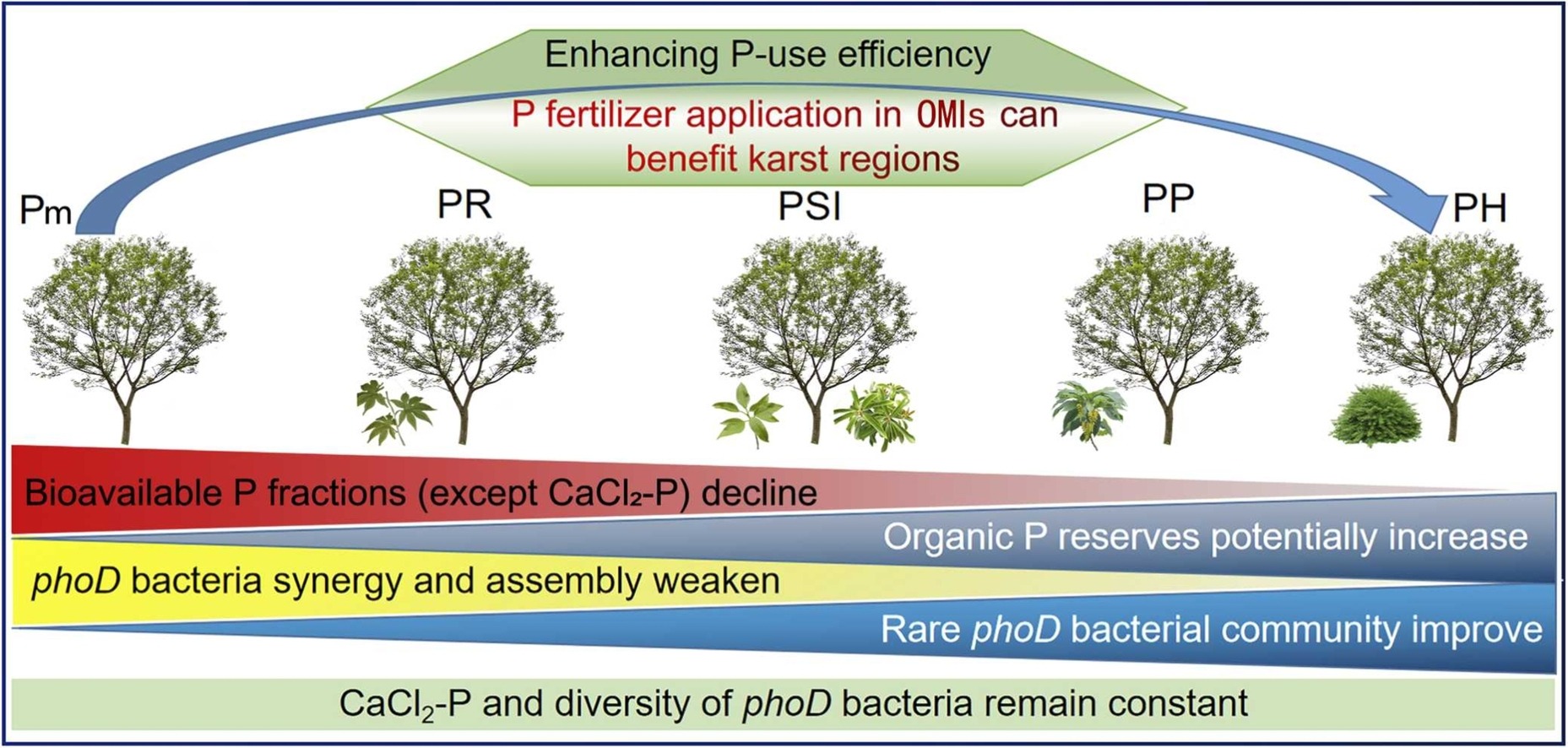
Rare Microbes Enhance Phosphorus Bioavailability in Karst Farming SystemsResearchers from Xishuangbanna Tropical Botanical Garden (XTBG) of the Chinese Academy of Sciences revealed how intercropping medicinal plants within fruit tree orchards can modify soil microbial communities to improve sustainable phosphorus utilization.Sep 10, 2025
-
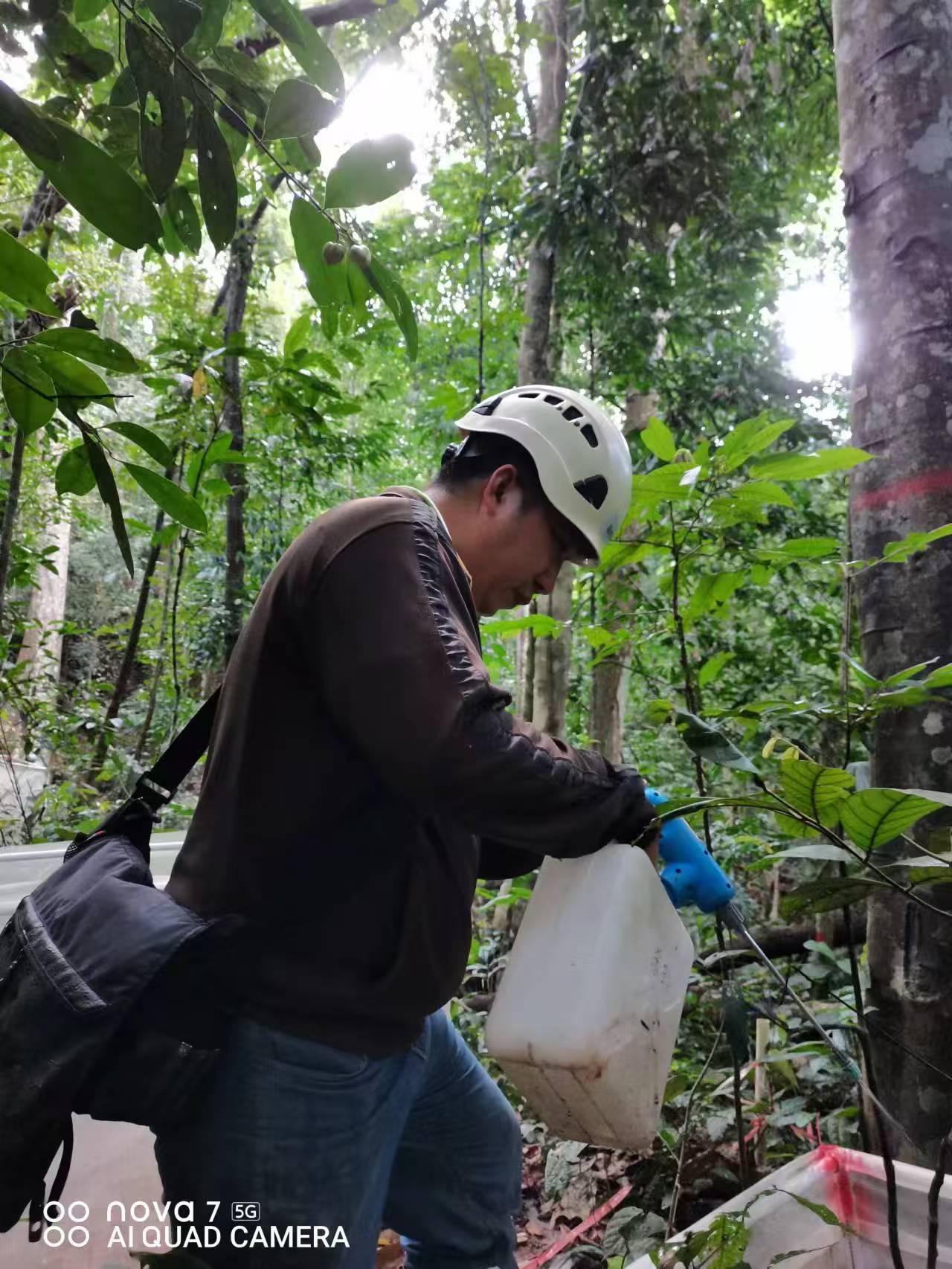
Fungicides Enhance Native Plant Survival and Community Productivity but Reduce DiversityResearchers from the Xishuangbanna Tropical Botanical Garden (XTBG) of the Chinese Academy of Sciences have synthesized decades of research through a global meta-analysis, revealing the complex and varied effects of fungicides on wild plant at species and community levels.Sep 09, 2025
-
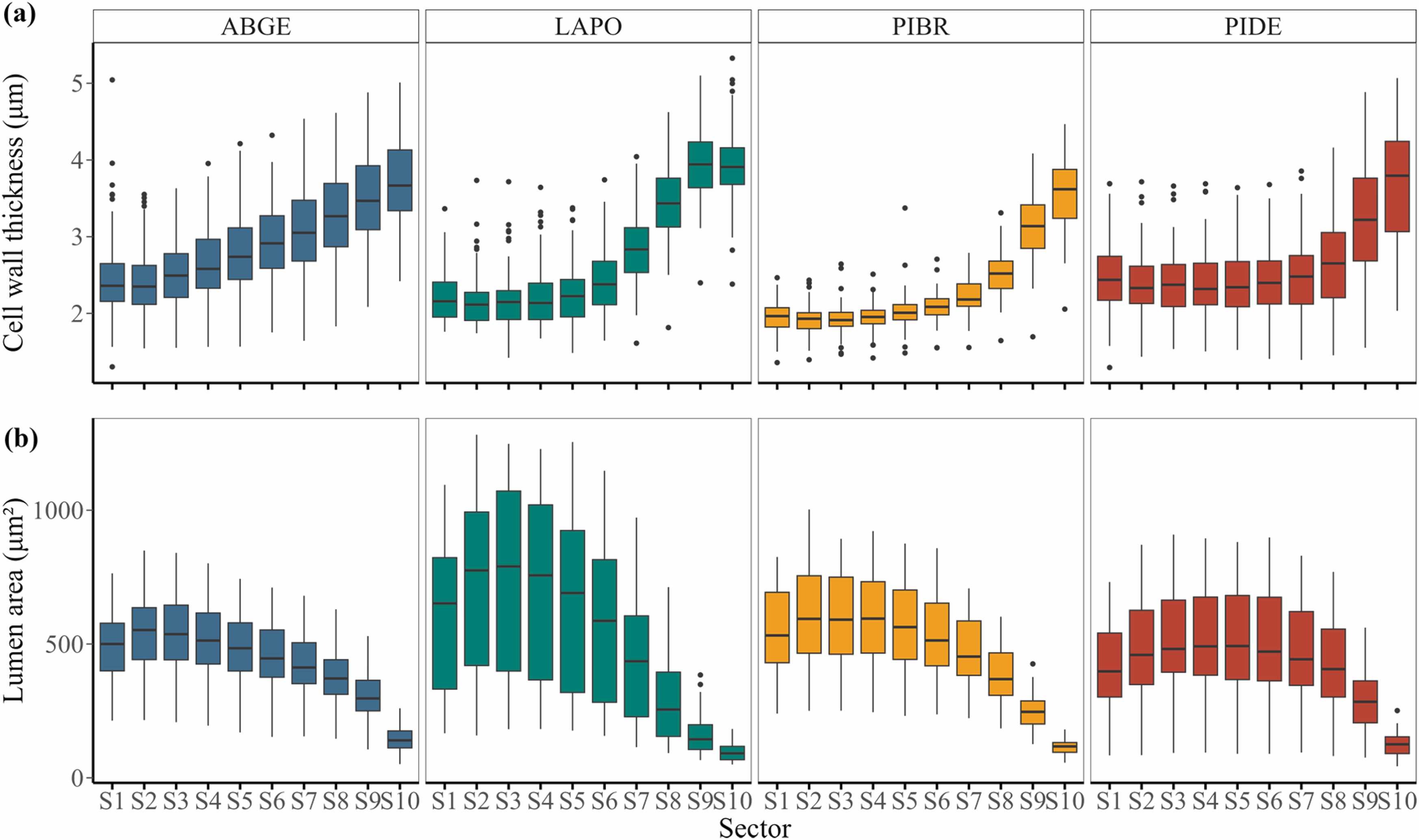
How Do Climatic Factors Impact Wood Formation at Cellular Level in Hengduan Mountains?Researchers from the Xishuangbanna Tropical Botanical Garden (XTBG) of the Chinese Academy of Sciences delved into this issue, offering valuable insights into the impact of climatic factors on cellular wood formation. The study emphasized the susceptibility of subalpine conifers to changing climate patterns and pointed to the necessity for species-specific conservation strategies.Sep 04, 2025
-
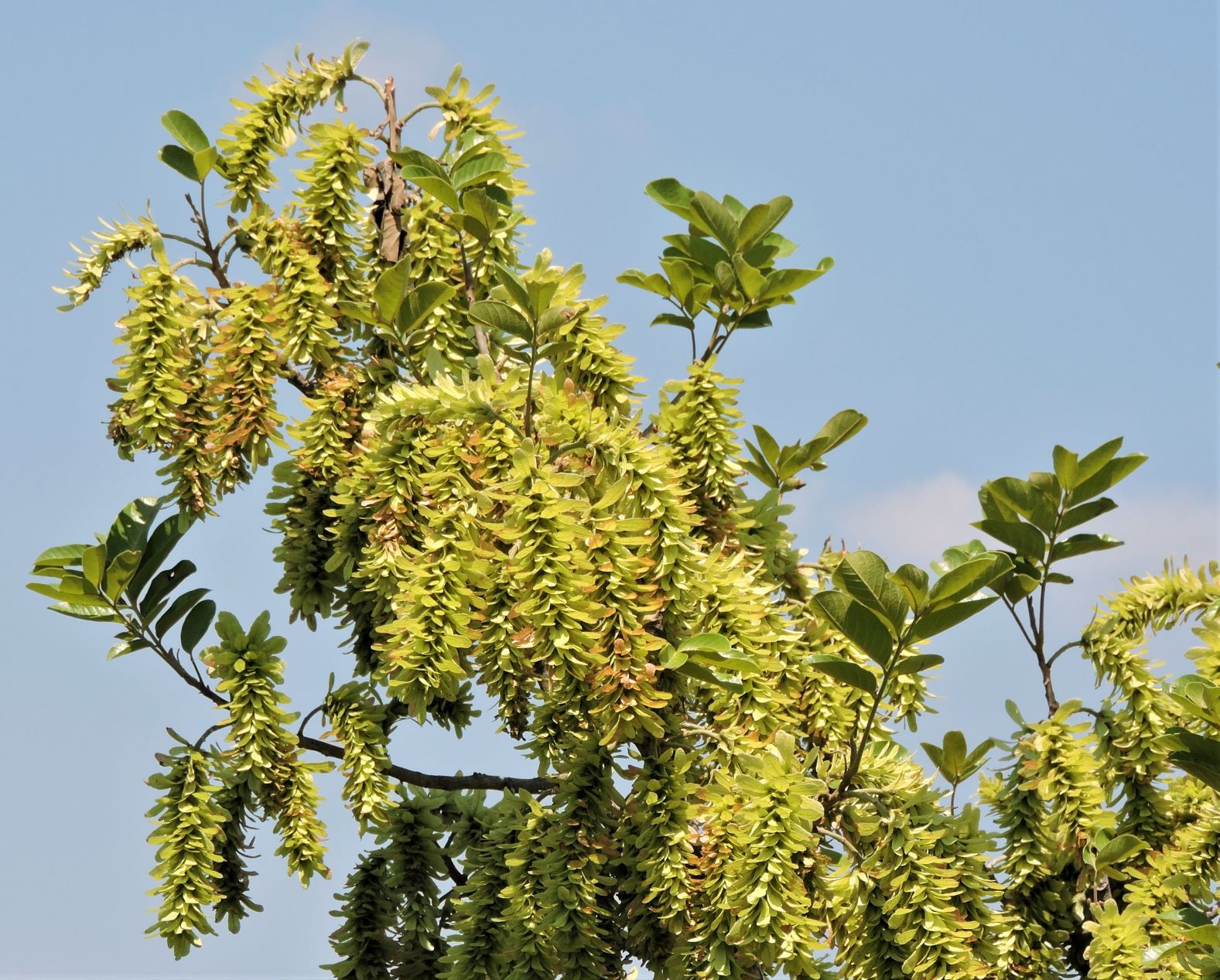
Study Reveals Three-Tiered Landform's Role in Shaping Plant Evolution in Indo-Burma RegionResearchers from Xishuangbanna Tropical Botanical Garden of the Chinese Academy of Sciences uncovered how the complex topography of the Indo-Burma region has driven the evolutionary history of the Engelhardia spicata complex, a representative group of walnut trees (Juglandaceae).Sep 02, 2025
-
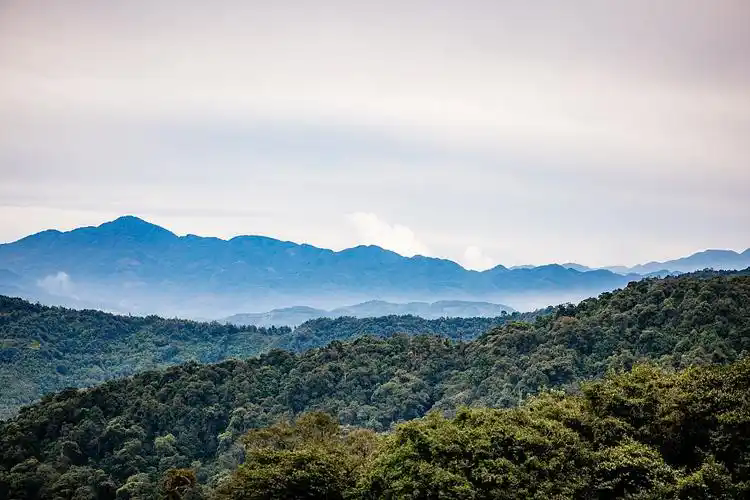
Researchers Propose Strategy for Transboundary Conservation in Gaoligong MountainsResearchers from Xishuangbanna Tropical Botanical Garden (XTBG) of the Chinese Academy of Sciences and their collaborators outlined a new framework for transboundary conservation in the biodiversity-rich Gaoligong Mountains in Yunnan. This framework emphasizes integrating biodiversity hotspots, ecological gradients, and ecosystem services to create an effective conservation plan that transcends national boundaries.Sep 01, 2025
-
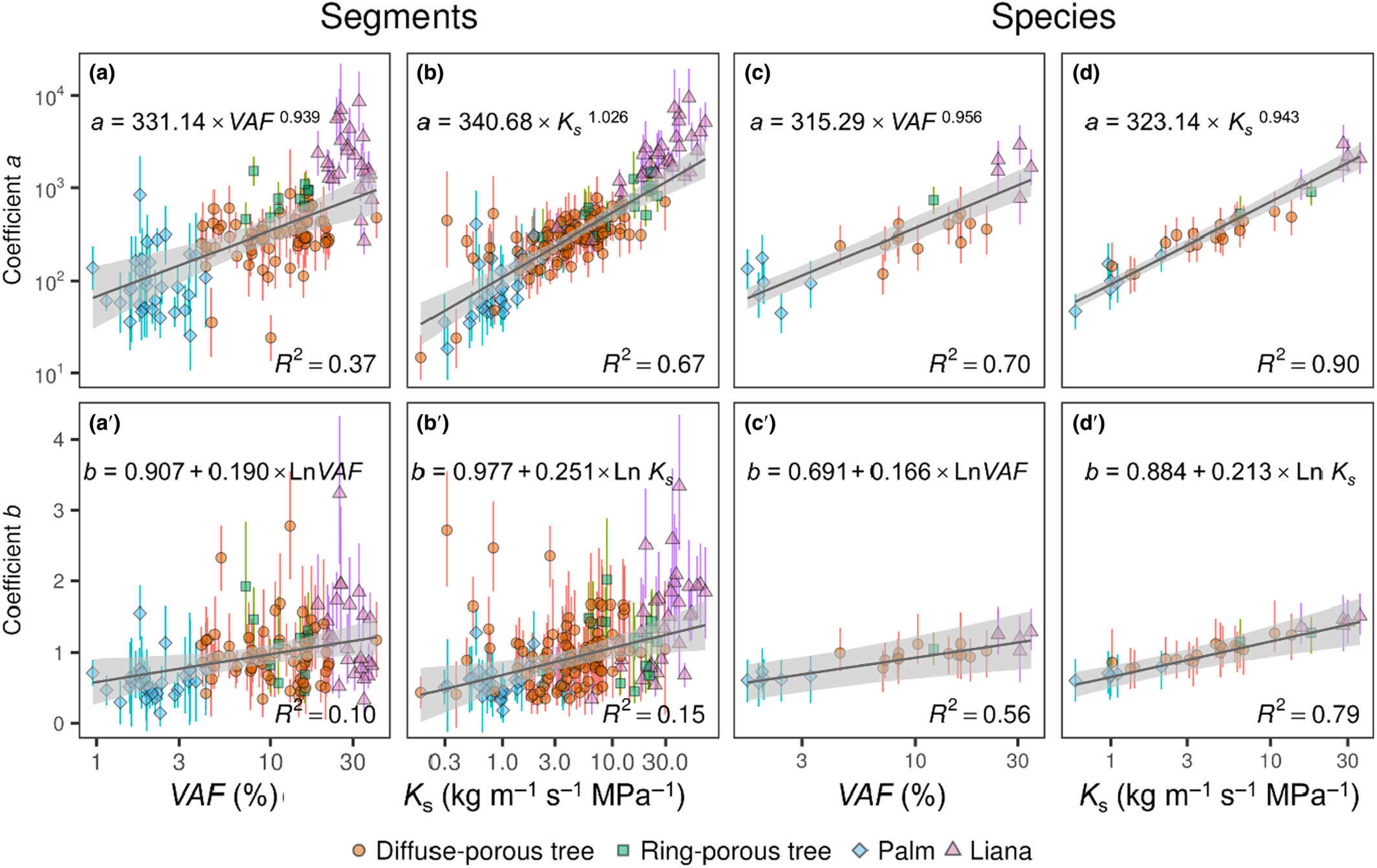
Study Reveals Flaws in Widely Used Method for Measuring Tree Water UseResearchers from Xishuangbanna Tropical Botanical Garden (XTBG) of the Chinese Academy of Sciences and their collaborators demonstrate that the original calibration for the widely adopted TDM often significantly underestimates water flow, particularly in fast-transporting species like lianas and ring-porous trees, leading to inaccurate environmental data.Aug 29, 2025
 Study Reveals Flaws in Widely Used Method for Measuring Tree Water Use" title="Study Reveals Flaws in Widely Used Method for Measuring Tree Water Use" />
-
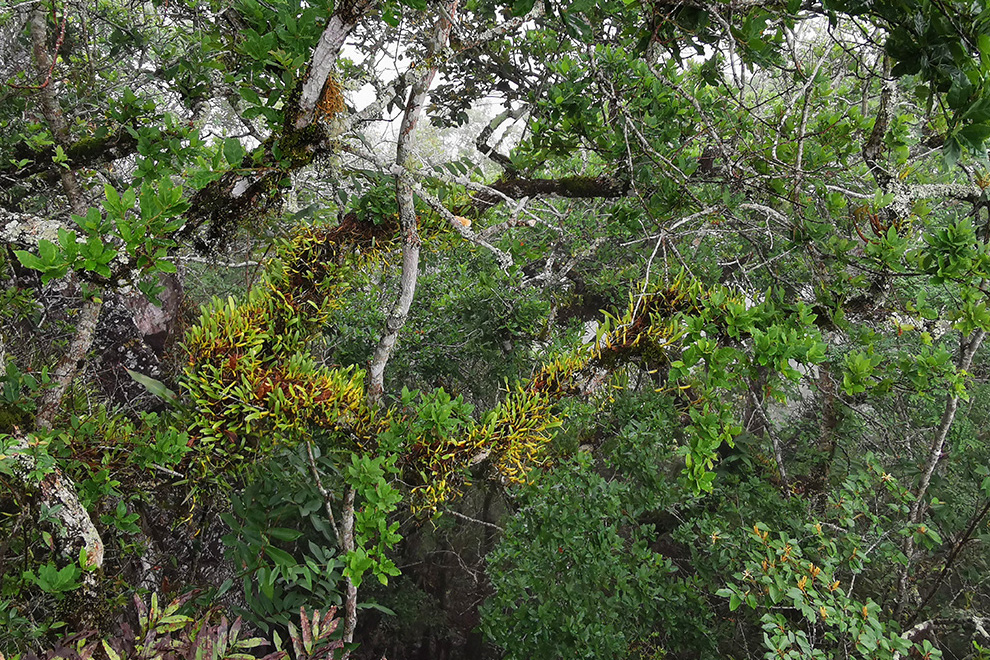
Vascular Epiphytes Show Species-specific Nitrogen Isotope FractionationResearchers from Xishuangbanna Tropical Botanical Garden of the Chinese Academy of Sciences demonstrate for the first time that the leaf-root nitrogen isotope is smaller in epiphytes compared to soil-rooted plants, but it still holds ecological significance. Although the degree of nitrogen isotope fractionation between leaves and roots of epiphytes is consistent within the same group, there are significant differences among species.Aug 25, 2025
 Vascular Epiphytes Show Species-specific Nitrogen Isotope Fractionation" title="Vascular Epiphytes Show Species-specific Nitrogen Isotope Fractionation" />
-
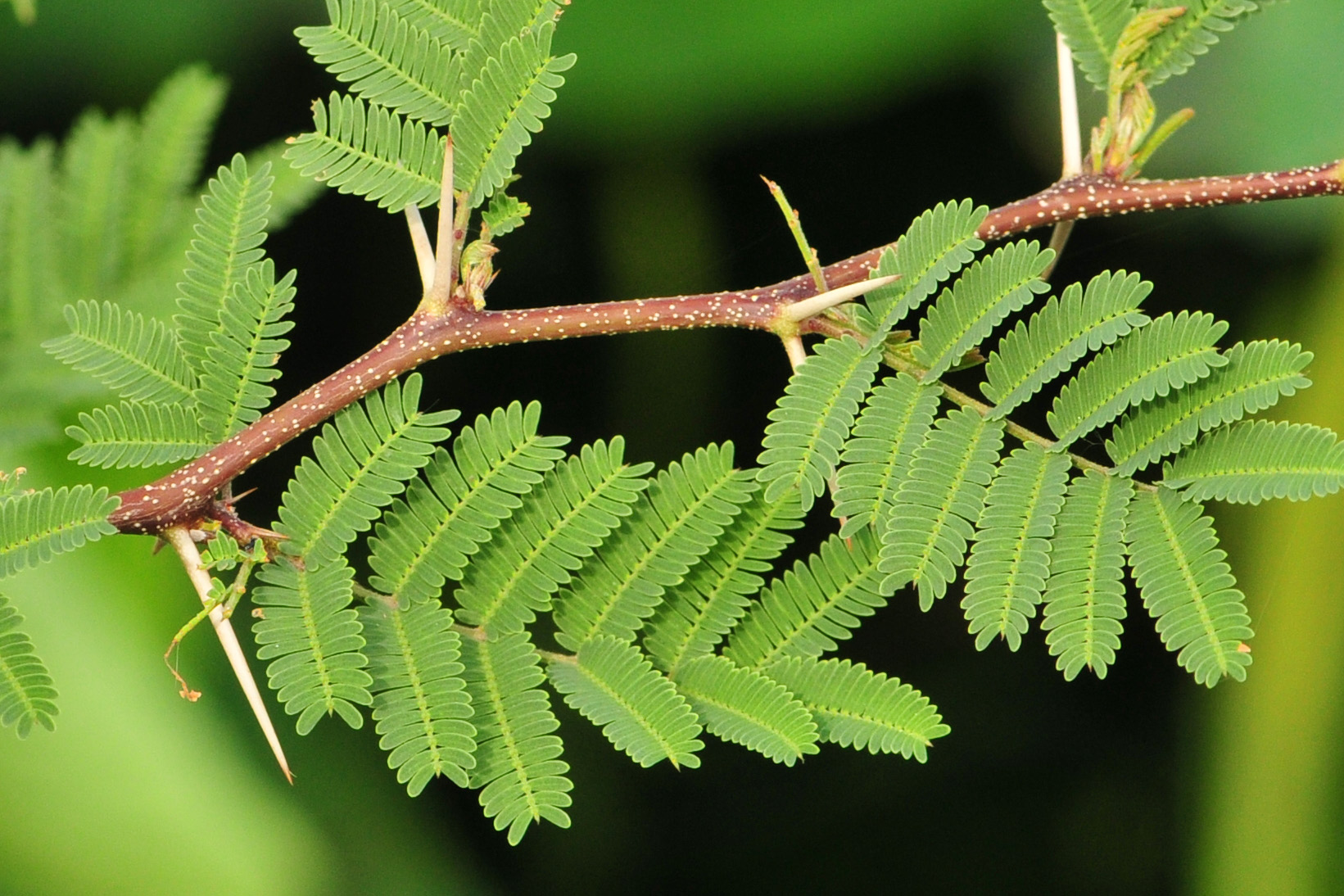
Climate and Large Herbivores Drive the Evolution and Distribution of Spiny Plants: StudyResearchers from Xishuangbanna Tropical Botanical Garden (XTBG) of the Chinese Academy of Sciences found that spiny species are more prevalent in dry climates, certain soil types, and regions historically rich in large mammalian herbivores. The research, which analyzed distribution data of woody plants from China, South Africa, and Australia, combining climate, soil, and paleo-herbivore data, provides broad-scale evidence that plant defences are shaped by both environmental conditions and pressure from herbivores.Aug 22, 2025
-
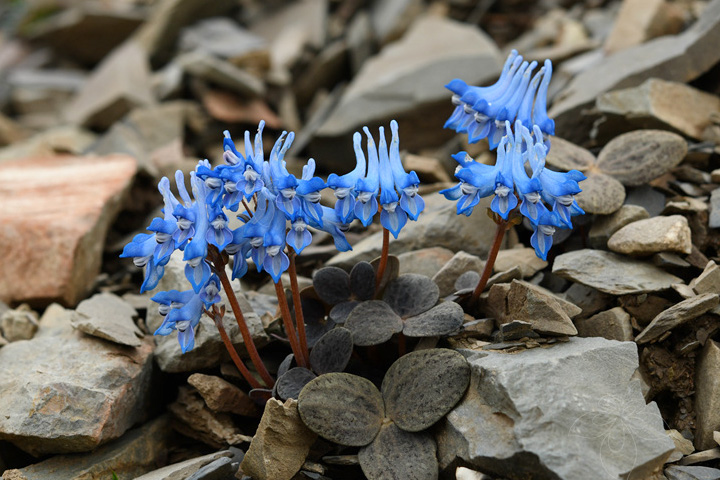
Study reveals divergent leaf fungal patterns in flowering vs. non-flowering plants along mountain slopesAug 20, 2025
-
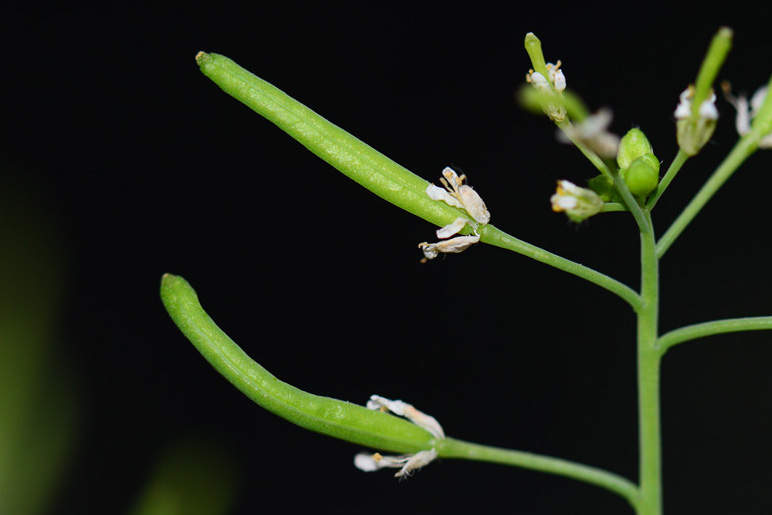
How Does Plant Hormone Jasmonate Control Seed Size?Researchers from Xishuangbanna Tropical Botanical Garden (XTBG) of the Chinese Academy of Sciences revealed a novel mechanism by which the plant hormone jasmonate regulates seed size, a crucial trait for plant adaptation and crop yield. They discovered that the jasmonate signaling pathway acts as a negative regulator of seed size in the model plant Arabidopsis thaliana.Aug 19, 2025
-
Two papers of XTBG selected as landmark papers in The Plant CellAug 14, 2025
-
Study Reveals How Plants Use Internal Clock to Time Seed GerminationResearchers from Xishuangbanna Tropical Botanical Garden of the Chinese Academy of Sciences have uncovered a key mechanism by which plants use their internal circadian clock to precisely time seed germination in response to environmental stresses, solving a long-standing puzzle in plant biology. It demonstrated how core clock components directly regulated hormone signaling to optimize seedling emergence.Aug 12, 2025
Study Reveals How Plants Use Internal Clock to Time Seed Germination" title="Study Reveals How Plants Use Internal Clock to Time Seed Germination" />
