-
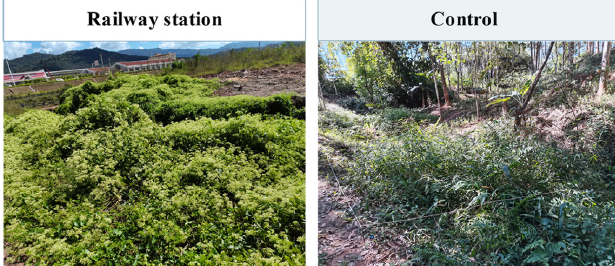
Railway Construction May Create Favorable Conditions for Invasive PlantsResearchers from Xishuangbanna Tropical Botanical Garden (XTBG) of the Chinese Academy of Sciences have uncovered how large-scale railway construction can fundamentally alter soil properties and underground fungal networks, creating conditions that favor invasive alien plants over native species.Jul 10, 2026
-
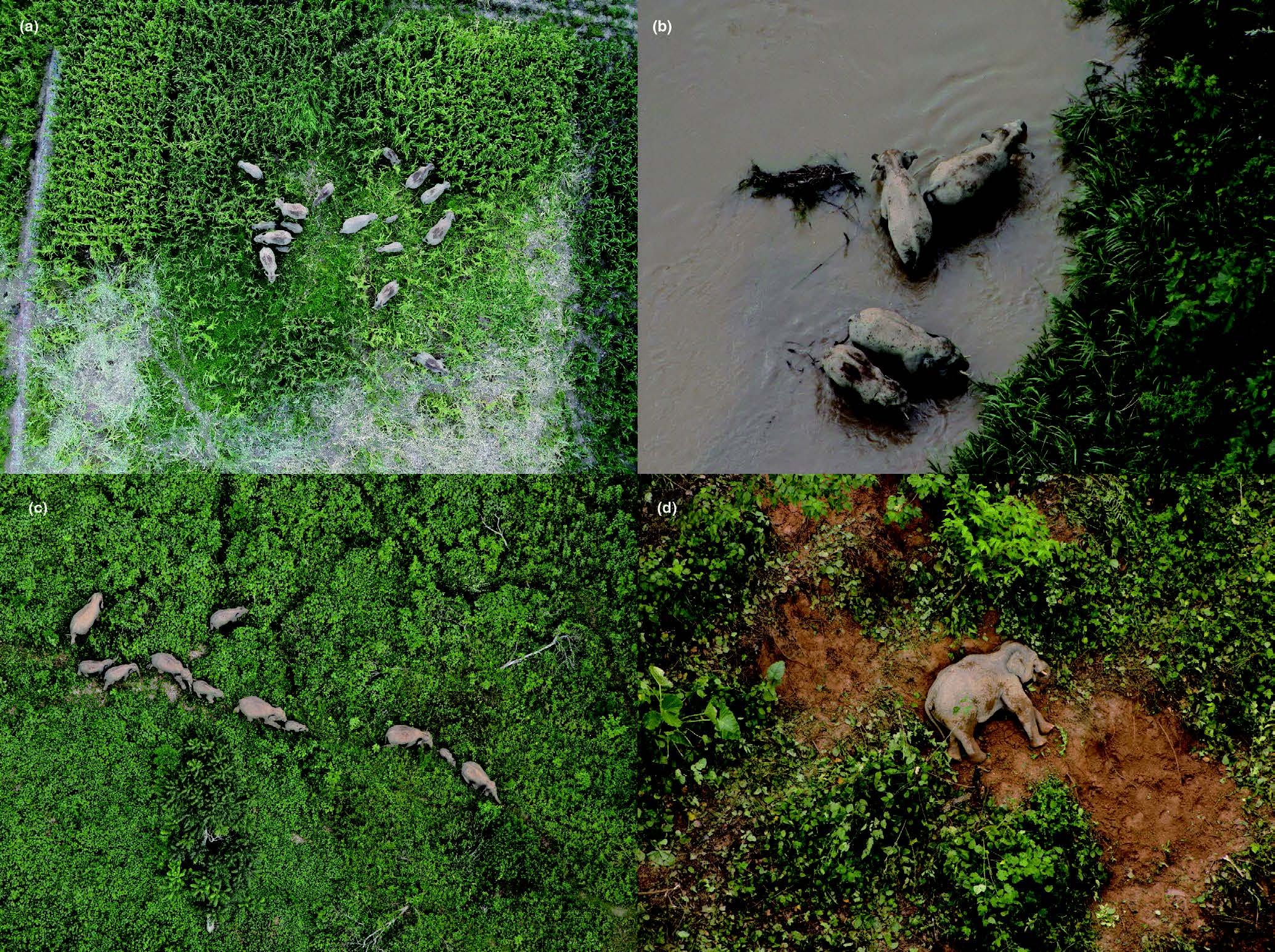
Drones with Infrared Cameras Proved Effective for Tracking Elephants and Preventing ConflictsResearchers from Xishuangbanna Tropical Botanical Garden (XTBG) of the Chinese Academy of Sciences demonstrate that off-the-shelf drones with infrared cameras can track wild Asian elephants at fine temporal resolution, offering a powerful tool for conflict mitigation and ecological research.Jul 08, 2026
-
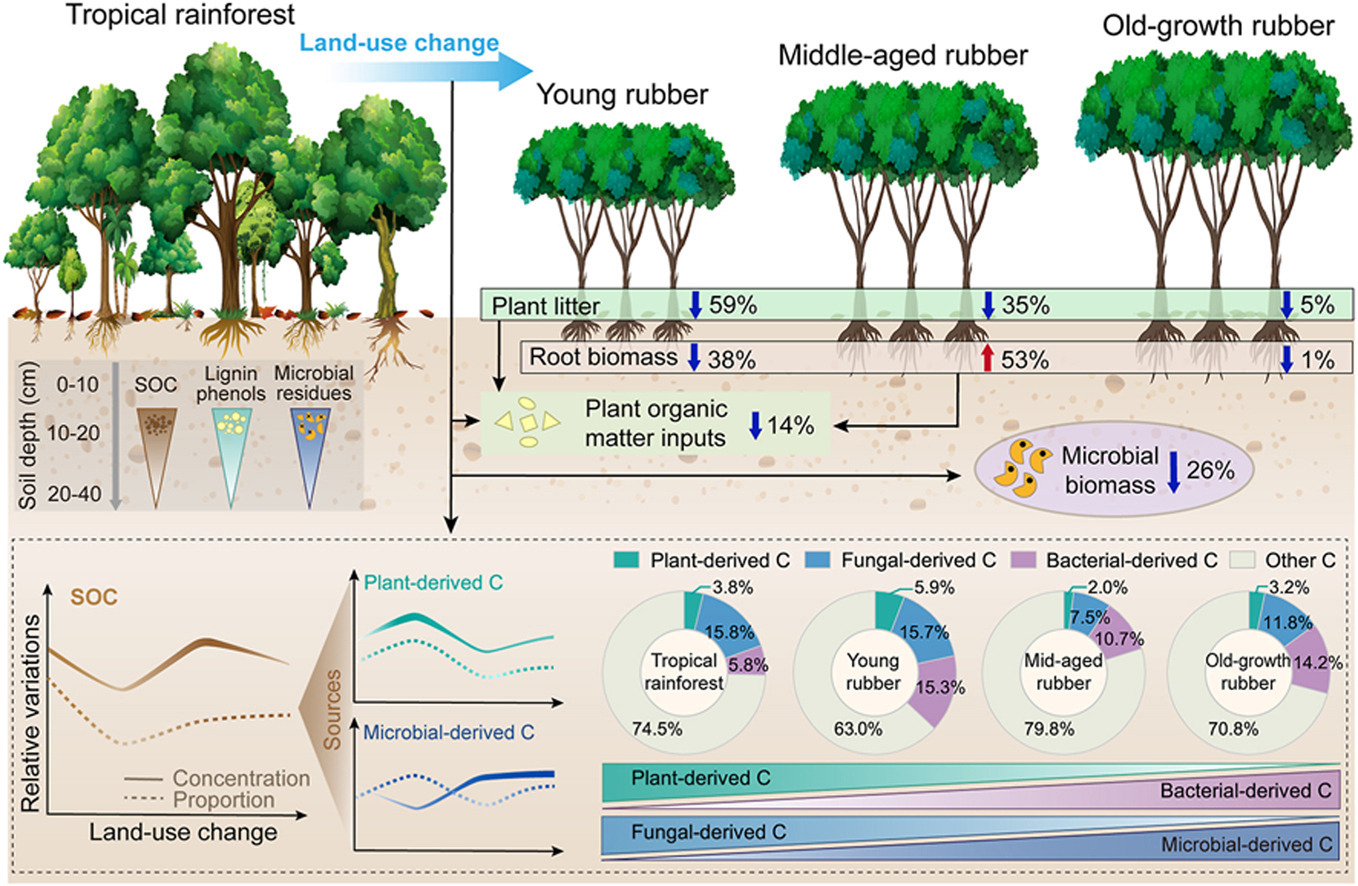
Conversion of Tropical Rainforest to Rubber Plantations Disrupts Soil Carbon PersistenceResearchers from Xishuangbanna Tropical Botanical Garden (XTBG) of the Chinese Academy of Sciences reveal that replacing rainforests with rubber trees not only reduces soil organic carbon but also alters its chemical composition, potentially compromising long-term climate benefits.Jul 02, 2026
-
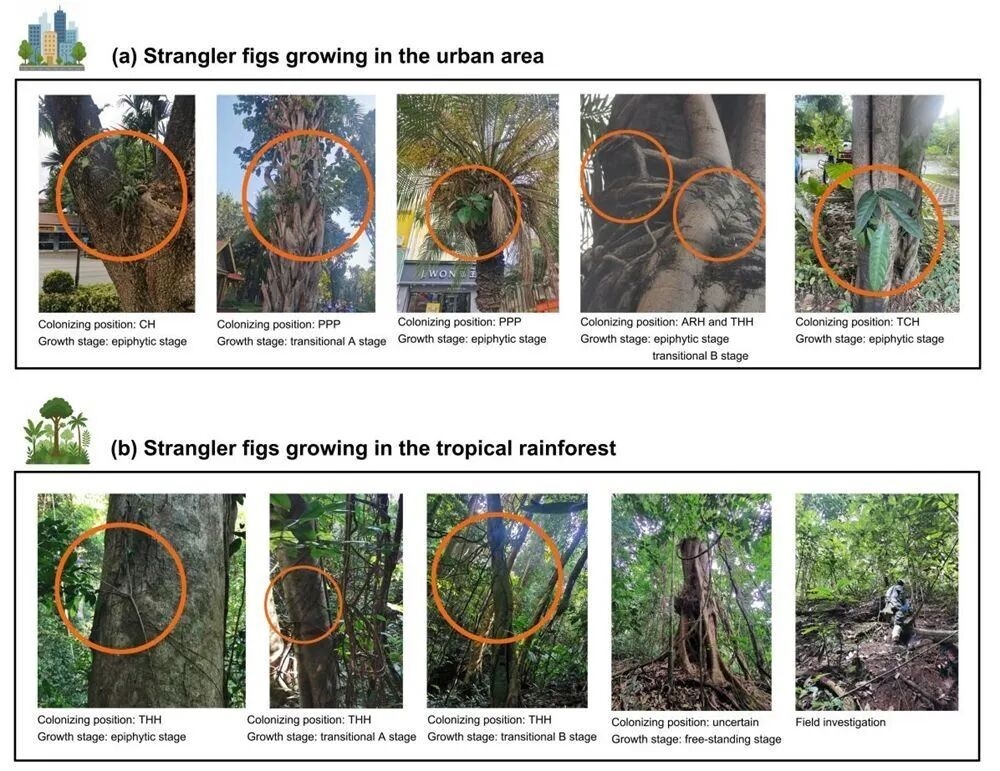
Urbanization Boosts Strangler Fig Colonization but Hinders Their GrowthResearchers from Xishuangbanna Tropical Botanical Garden (XTBG) of the Chinese Academy of Sciences investigated the impact of urbanization on the ecological relationships between strangler figs and their host trees, and they propose corresponding recommendations for urban forestry management.Jun 25, 2026
-
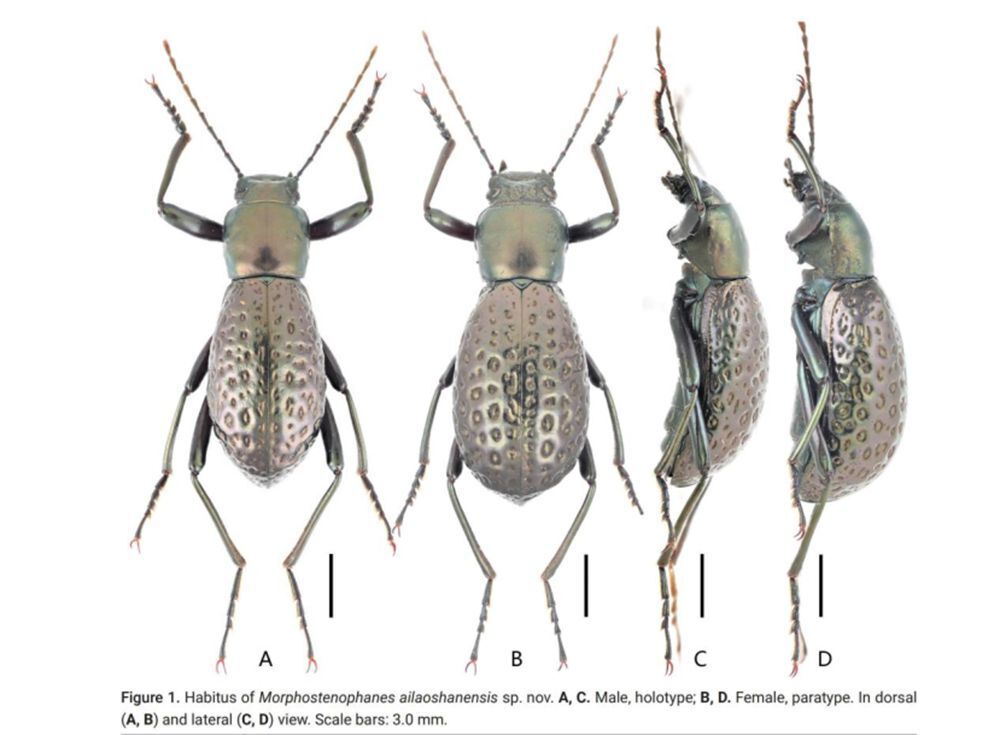
New species of darkling beetles found in Ailao Mountains, YunnanJun 25, 2026
-
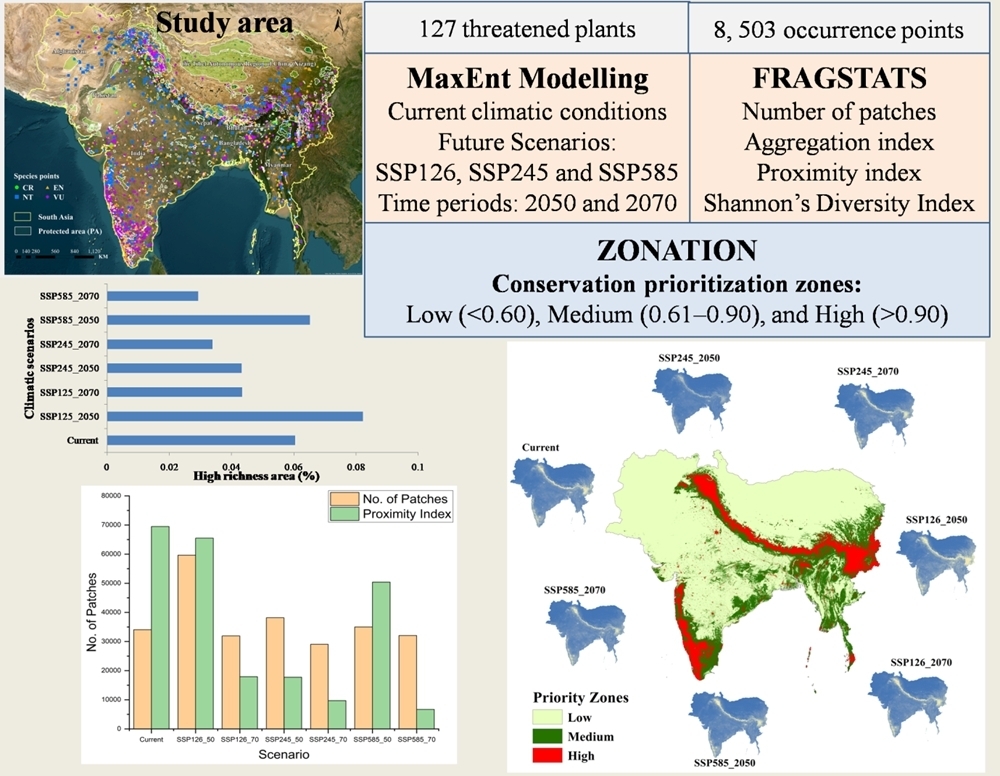
Climate Change to Accelerate Habitat Loss and Connectivity Decline in South Asia, New Study WarnsA comprehensive new study has revealed that climate change and habitat fragmentation are placing 127 threatened plant species across South Asia at severe risk, with more than 80% of species projected to lose suitable habitats under the highest emission scenario by 2070.Jun 23, 2026
-
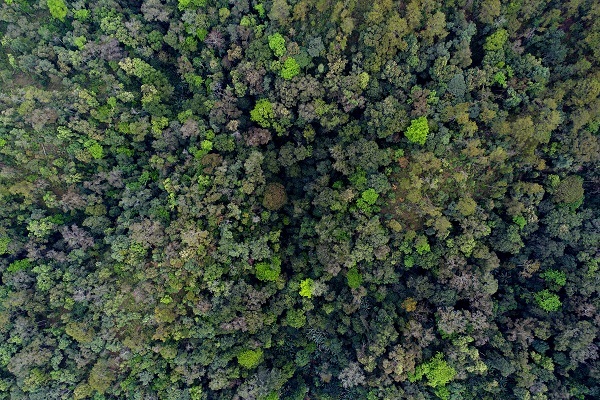
How Do Tropical Forests Respond to Intensifying Droughts?Researchers from Yunnan University and Xishuangbanna Tropical Botanical Garden (XTBG) of the Chinese Academy of Sciences investigated the ecological response mechanisms of tropical forests under drought conditions. The results reveal that while abundant sunlight boosts tree growth in normal times, it can become a critical liability during severe drought, especially for large, canopy-dominant trees.Jun 23, 2026
 How Do Tropical Forests Respond to Intensifying Droughts?" title="How Do Tropical Forests Respond to Intensifying Droughts?" />
-
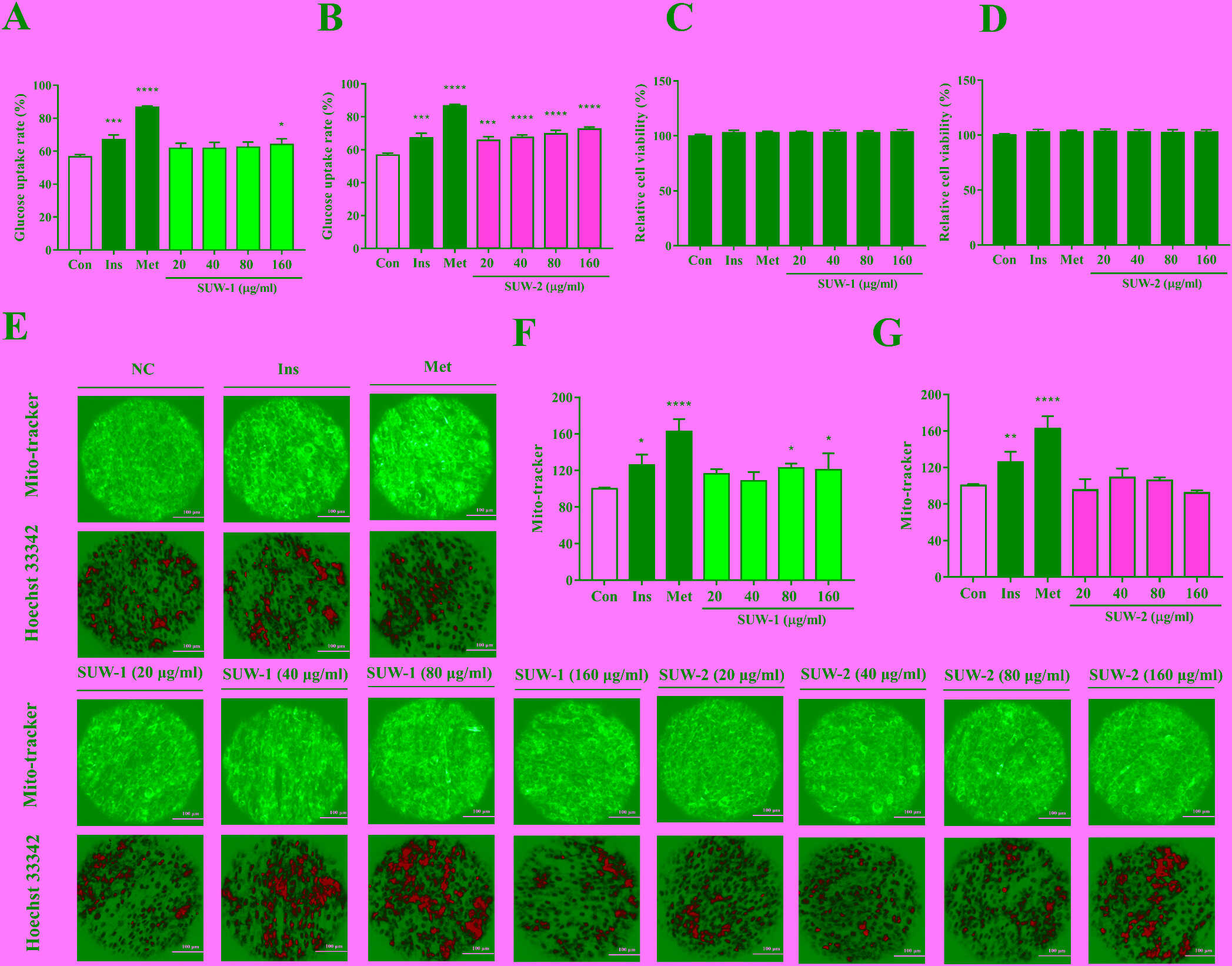
New Polysaccharides from Spatholobus uniauritus Show Promise for Diabetes and Immune SupportResearchers from Xishuangbanna Tropical Botanical Garden (XTBG) of the Chinese Academy of Sciences have, for the first time, systematically characterized the polysaccharides derived from Spatholobus uniauritus. Their work uncovered two new compounds with significant hypoglycemic and immunomodulatory effects, offering a scientific foundation for developing these polysaccharides into functional ingredients for diabetes management and immune support.Jun 18, 2026
-
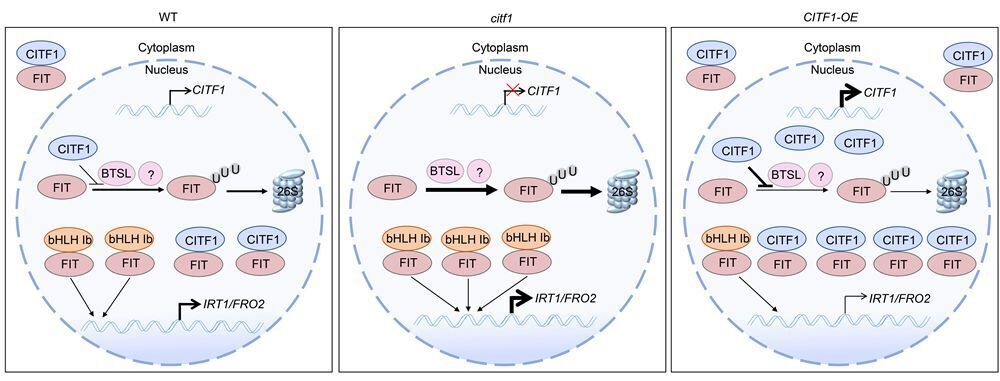
Study Reveals How Plants Fine-Tune Iron Uptake to Avoid Deficiency and ToxicityResearchers from Xishuangbanna Tropical Botanical Garden (XTBG) of the Chinese Academy of Sciences have identified a protein named CITF1 (COPPER DEFICIENCY INDUCED TRANSCRIPTION FACTOR 1) that serves as a negative regulator of iron uptake in Arabidopsis thaliana. CITF1 achieves this by directly interacting with FIT (FER-LIKE IRON DEFICIENCY-INDUCED TRANSCRIPTION FACTOR), a master transcription factor that activates iron-absorption genes.Jun 17, 2026
-
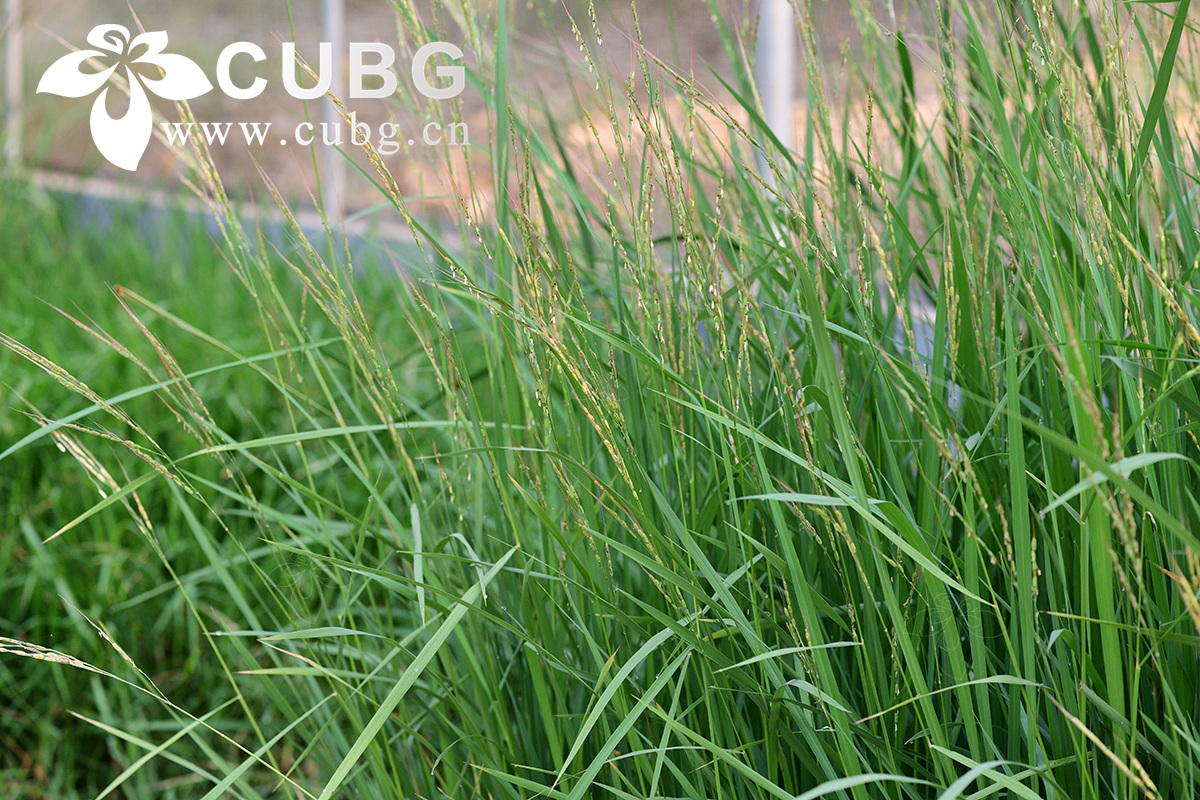
Study Reveals How Wild Rice Responds to Cold StressResearchers from Xishuangbanna Tropical Botanical Garden (XTBG) of the Chinese Academy of Sciences have uncovered the molecular and physiological mechanisms behind cold sensitivity in a specialized rice line derived from common wild rice (Oryza rufipogon). The findings provide insights into how different plant organs (leaves and roots) respond to low-temperature stress, offering potential pathways for breeding more resilient rice varieties.Jun 12, 2026
-
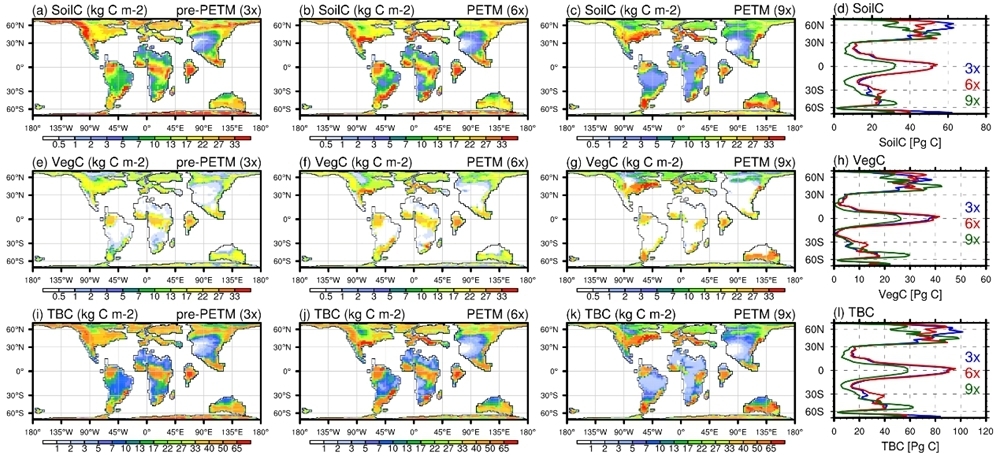
Ancient Global Warming Event Reveals Vulnerability of Land Carbon StocksResearchers from Xishuangbanna Tropical Botanical Garden (XTBG) of the Chinese Academy of Sciences and their collaborators revealed that during one of the most intense global warming events in Earth’s history, the terrestrial biosphere(forests, soils, and other land ecosystems) likely amplified the warming, rather than mitigating it.Jun 09, 2026
-
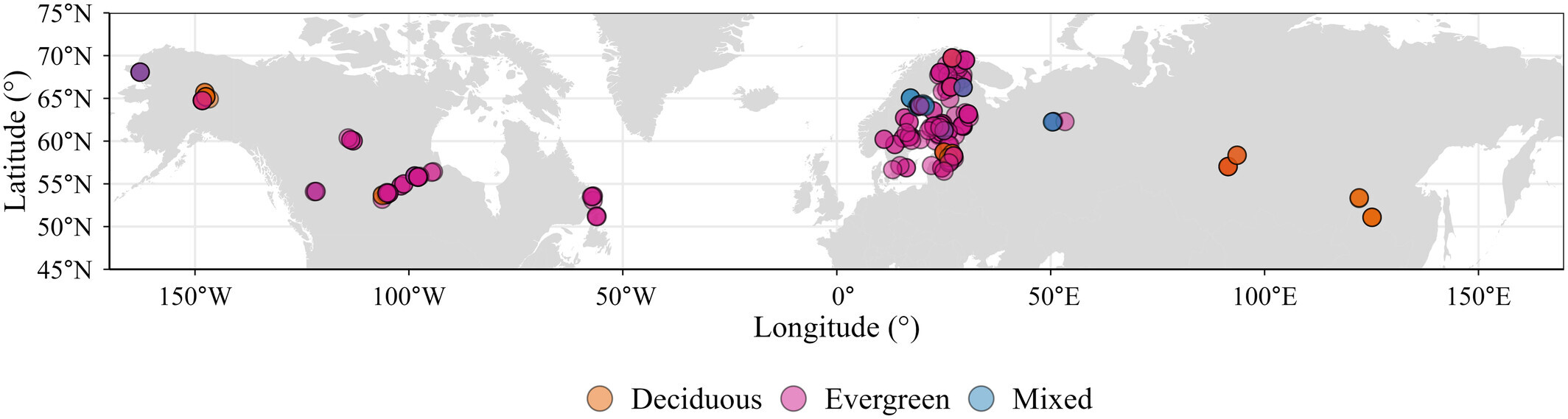
Climate Warming to Hit Boreal Forests Hard, Cutting Critical Carbon InputJun 08, 2026
 Climate Warming to Hit Boreal Forests Hard, Cutting Critical Carbon Input" title="Climate Warming to Hit Boreal Forests Hard, Cutting Critical Carbon Input" />
