-
Plant Turnover and Body Size Shape Soil Nematode Diversity Across LandscapesResearchers from the Xishuangbanna Tropical Botanical Garden (XTBG) of the Chinese Academy of Sciences and their collaborators revealed that plant community turnover and nematode body width play fundamental roles in shaping soil nematode diversity across different spatial scales. Their findings highlight that protecting the variety of plant species is essential for preserving nematode diversity and that a nematode’s body width largely determines how it spreads across the environment.Sep 23, 2026

-
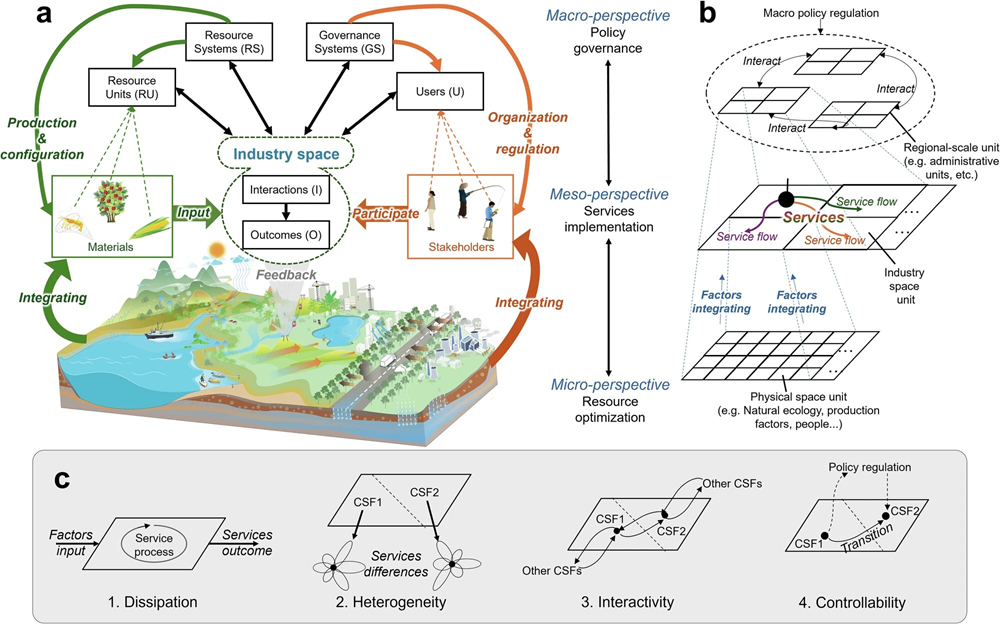
Researchers propose new spatial governance framework to reconcile industrial growth and ecological protectionResearchers from Xishuangbanna Tropical Botanical Garden (XTBG) proposed a new spatial governance framework termed “Industry Space”, to address the growing conflicts between economic development and environmental protection. It aims to help resolve the question how to meet economic and social needs without degrading the ecosystems that support them.Sep 22, 2026
-
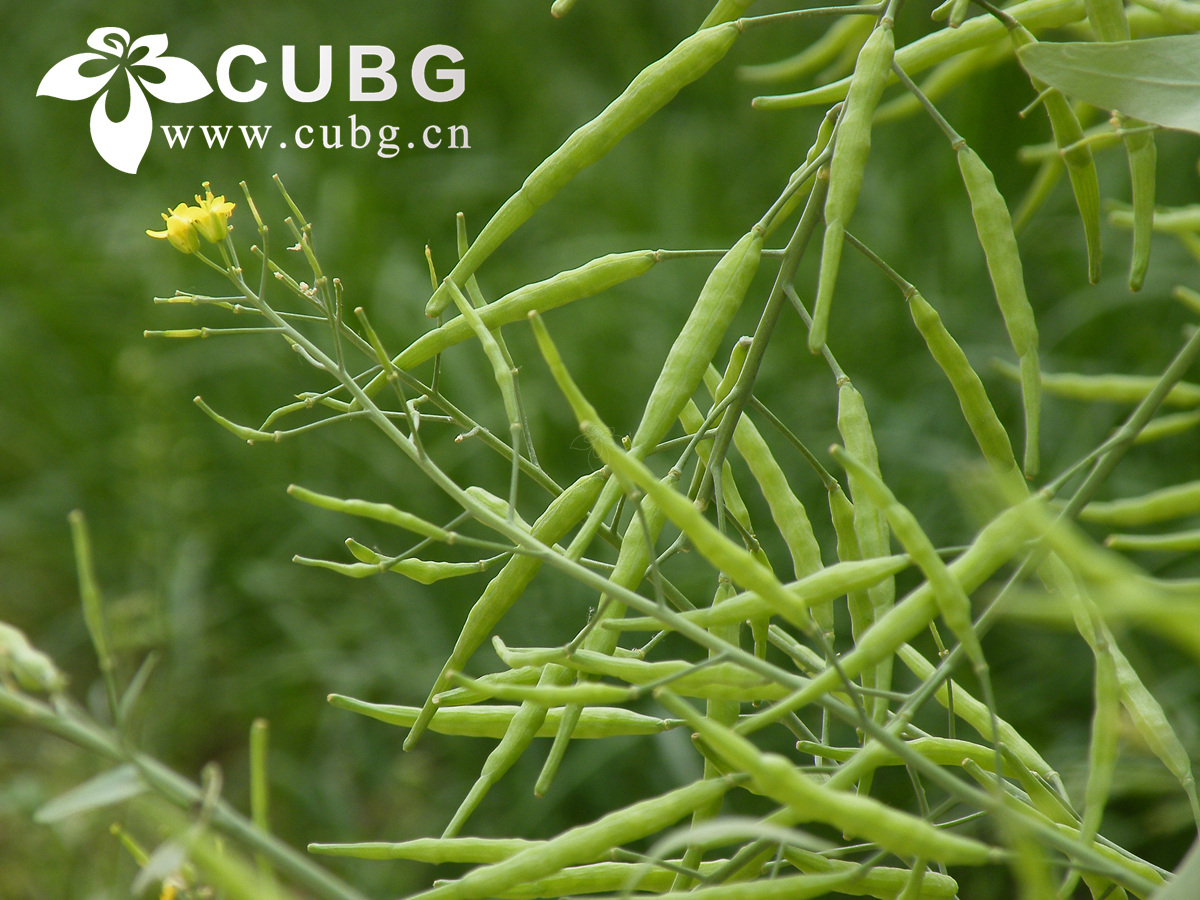
Single Amino Acid Change in BrrPRMT10 Controls Flowering Time in TurnipResearchers from Xishuangbanna Tropical Botanical Garden (XTBG) have identified natural variation at the BrrPRMT10 locus as a key modulator of flowering time in turnip (Brassica rapa subsp. rapa), offering new insights into ecotype adaptation and a potential target for breeding climate-resilient Brassica crops.Sep 20, 2026
-
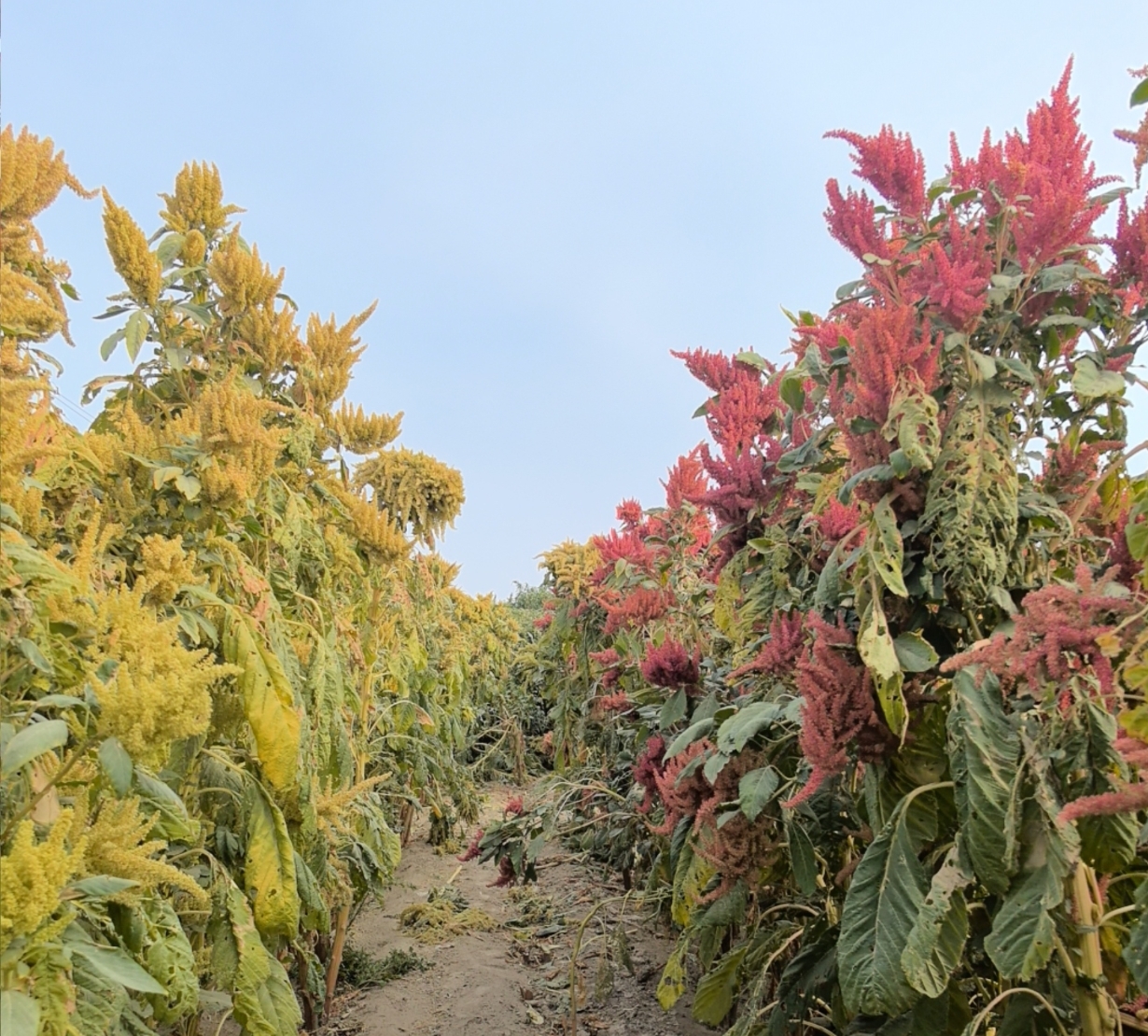
Nanoparticles Help Grain Amaranth Withstand Salt and Alkaline StressResearchers from Xishuangbanna Tropical Botanical Garden (XTBG) of the Chinese Academy of Sciences found that foliar application of cerium oxide nanoparticles (CeNP) and zinc oxide nanoparticles (ZnONP) can significantly alleviate saline and alkaline stress in grain amaranth.Sep 18, 2026
-
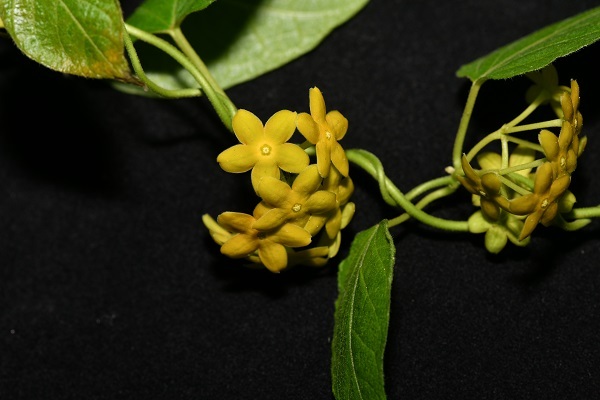
New Genus and Species of Twining Herb Found in Dry-Hot Red River Valleys of YunnanXua hongheensis, a pubescent twining herb with tiny flowers and unusual corona lobes, adds a previously unrecognized branch to the Apocynaceae tree. The new genus is named in honor of Prof. XU Zaifu, former director of Xishuangbanna Tropical Botanical Garden.Sep 17, 2026
-
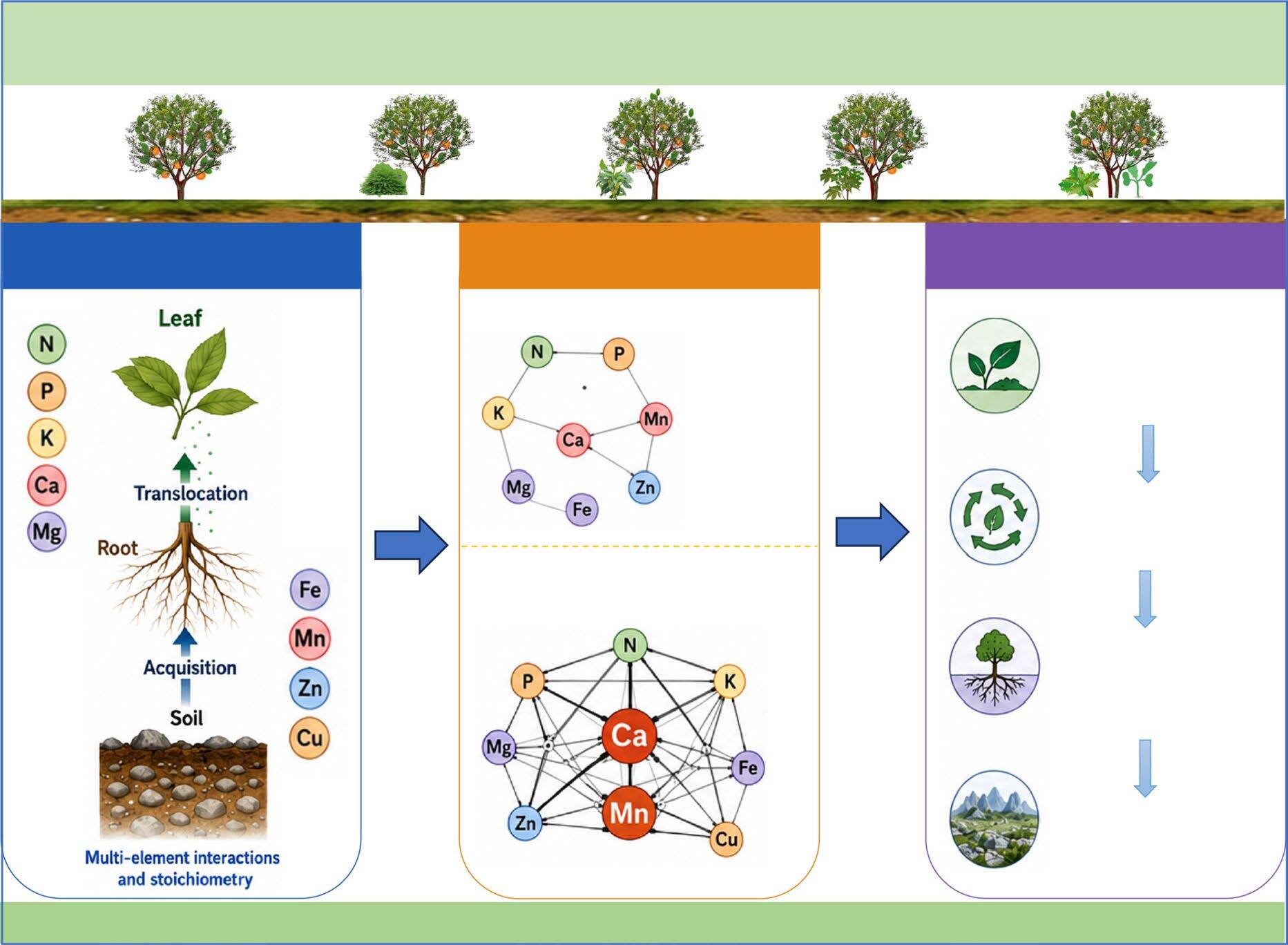
Diversified Agroforestry Reshapes Soil–Plant Nutrient Networks in Fragile Karst Landscapesresearchers from Xishuangbanna Tropical Botanical Garden (XTBG) of the Chinese Academy of Sciences and their collaborators found that intercropping fruit trees with medicinal plants can fundamentally reshape the multi-element nutrient network across soil, roots, and leaves in fragile karst landscapes. The findings suggest that well-designed agroforestry can improve nutrient coordination and resilience in one of the world’s most fragile agricultural landscapes.Sep 14, 2026
-
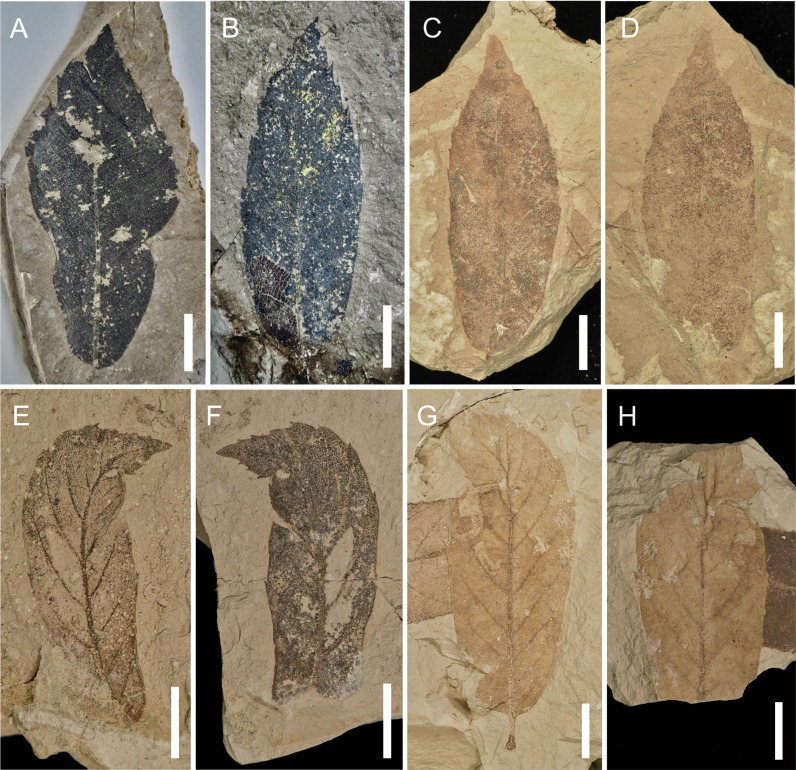
Fossil Oaks from Northern Thailand Reveal a Cooler, Subtropical PastResearchers from Xishuangbanna Tropical Botanical Garden (XTBG) of the Chinese Academy of Sciences and their collaborators have recently identified a new fossil oak from northern Thailand. The newly identified fossil species Quercus liensis provides crucial evidence that the region experienced a cooler and wetter subtropical climate during the late Oligocene to Early Miocene (about 25 million years ago).Sep 09, 2026
-
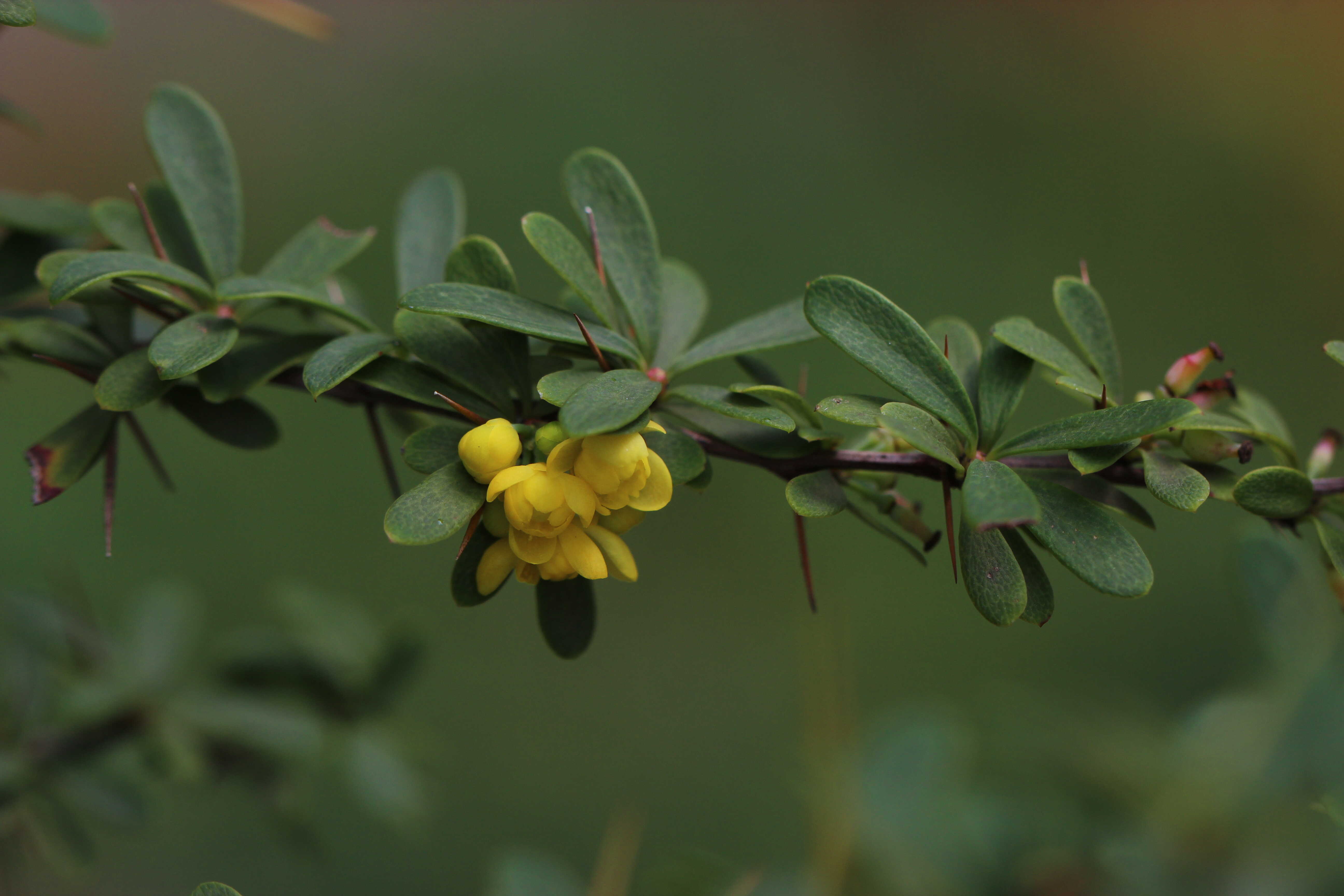
Study Reveals Why the Hengduan-Himalaya Mountains Harbor Far More Berberis Species Than the AndesResearchers from Xishuangbanna Tropical Botanical Garden (XTBG) of the Chinese Academy of Sciences and their international collaborators offer a new framework for understanding how mountain biodiversity arises and why different ranges follow distinct evolutionary paths. Their findings reveal that a synergistic combination of deciduousness and small densely veined (SDV) leaves, together with the timing of mountain uplift and climate change, explains why the Hengduan–Himalayas host far more species of barberry (Berberis) than the Andes.Jul 28, 2026
-
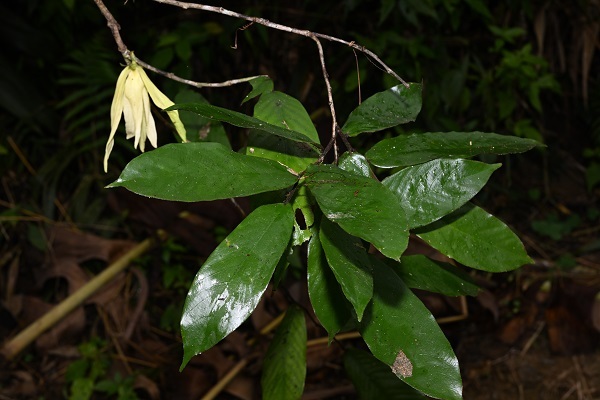
Meiogyne monogyna Reinstated As Distinct Species and Newly Recorded in ChinaThrough detailed examinations of herbarium specimens and field observations of living plants, researchers from Xishuangbanna Tropical Botanical Garden (XTBG) of the Chinese Academy of Sciences have reinstated Meiogyne monogyna as a distinct species and documented it for the first time as a new record for the flora of China.Jul 27, 2026
-
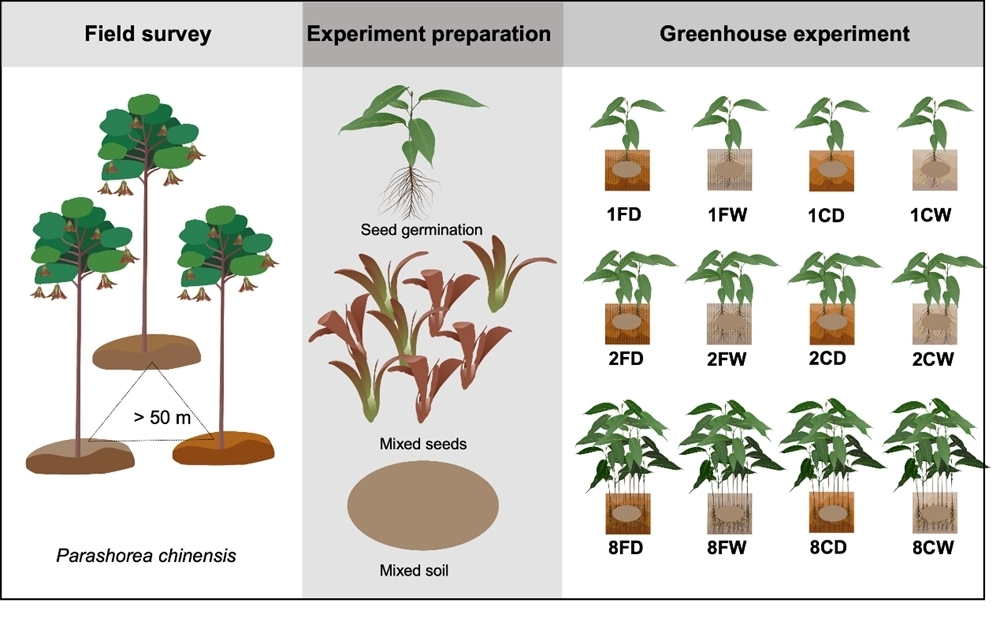
Water, Density, and Fungi Jointly Shape Seedling Growth in Tropical TreesResearchers from Xishuangbanna Tropical Botanical Garden (XTBG) of the Chinese Academy of Sciences and their collaborators revealed the growth and functional traits of Parashorea chinensis, a keystone dipterocarp tree in Southeast Asian rainforests, are shaped by the interplay of drought, neighbourhood density, and beneficial soil fungi.Jul 22, 2026
-
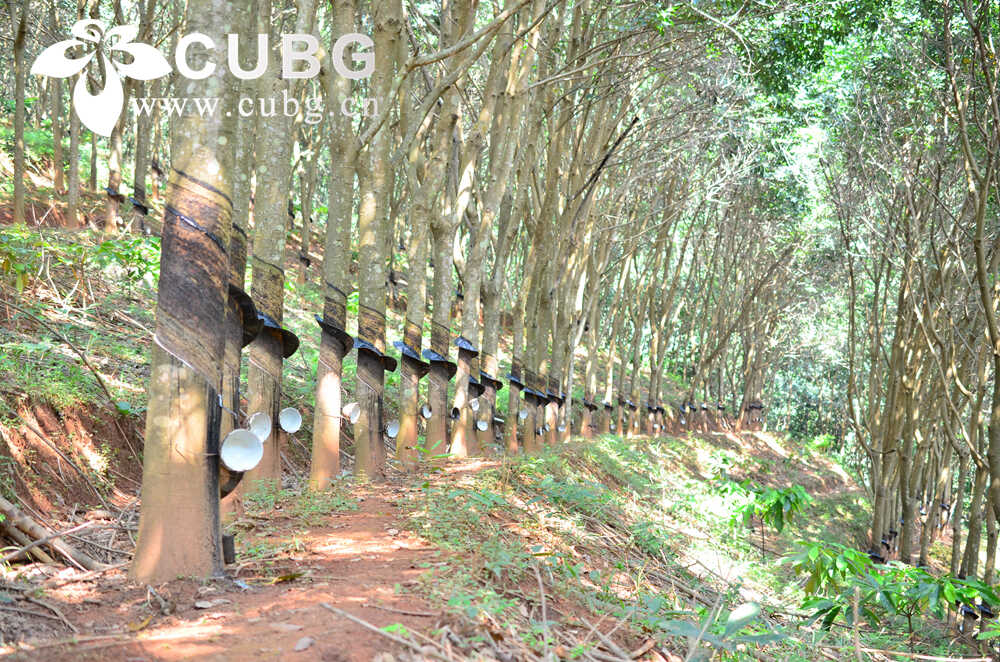
Study Reveals Key Regulator of Wood Formation in Rubber TreesResearchers from Xishuangbanna Tropical Botanical Garden (XTBG) of the Chinese Academy of Sciences have unveiled the first high-resolution single-nucleus transcriptomic atlas of xylem development in rubber trees. Using single-nucleus RNA sequencing (snRNA-seq), they traced the developmental journey from cambium to mature xylem and identified a novel transcription factor cascade that regulates secondary cell wall (SCW) formation.Jul 21, 2026
-
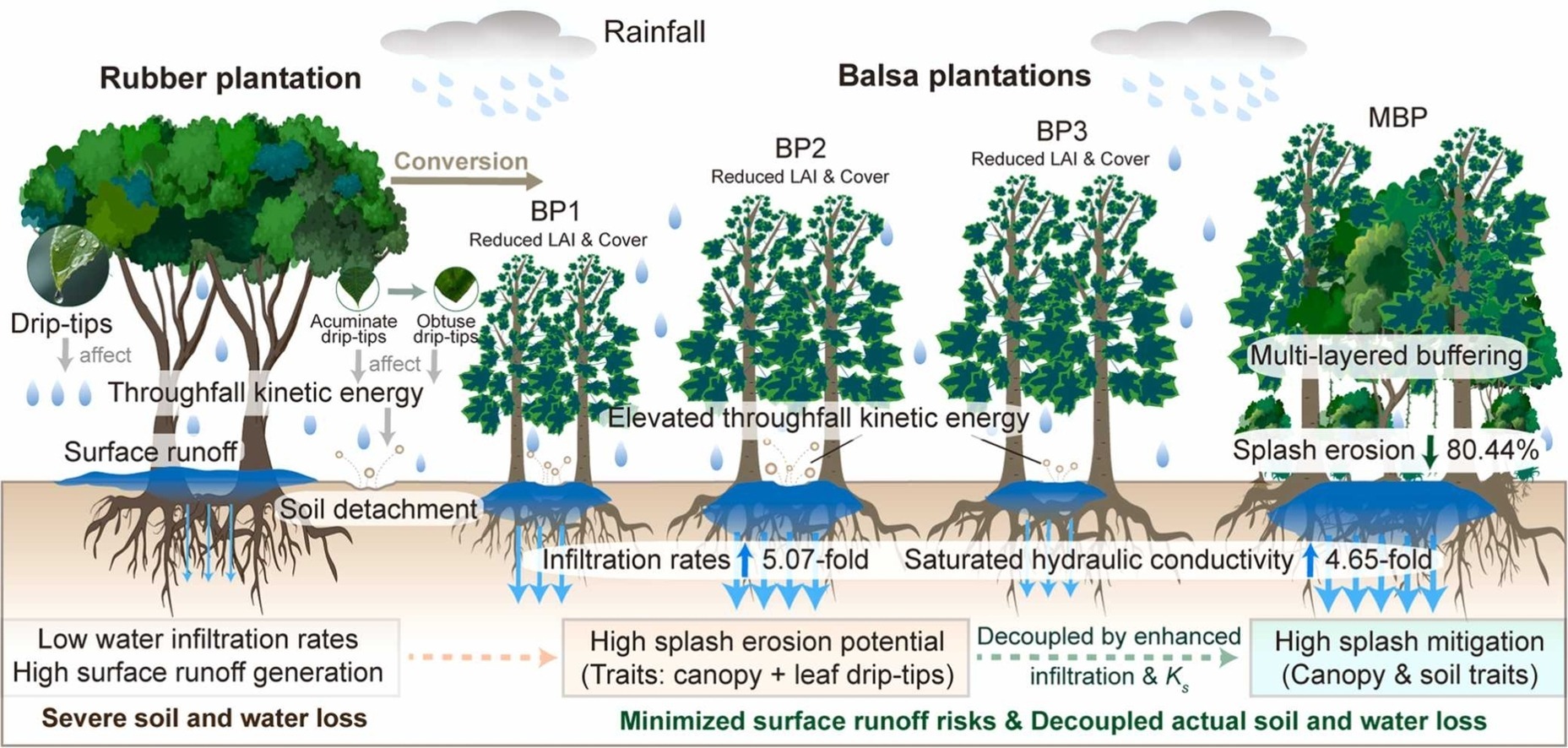
Study Reveals Trade-Offs in Soil Erosion Dynamics After Rubber-to-Balsa Plantation ConversionResearchers from Xishuangbanna Tropical Botanical Garden (XTBG) of the Chinese Academy of Sciences and their collaborators tried to investigate how converting traditional rubber plantations to fast-growing balsa wood systems affects soil erosion dynamics. The findings uncovered a complex trade-off that balsa’s large leaves and sparser canopies can intensify the initial splash of raindrops, but its root driven soil properties dramatically boost water infiltration. This enhanced infiltration may actually reduce the urgency of soil conservation interventions compared with rubber systems.Jul 16, 2026