-
How do plants integrate different components into Fe deficiency response?Jul 27, 2022
-
Winter precipitation and temperature constrain distribution of Cedrus plantsIn a study published in Ecological Indicators, researchers from Xishuangbanna Tropical Botanical Garden (XTBG) used the MaxEnt (maximum entropy) model, in combination with climate data and the current distribution data of Cedrus to simulate the past, present and future distribution of potentially suitable habitats for Cedrus in the Mediterranean region and western Himalaya.Jul 26, 2022
-
Study develops new strategy for Fe fortification in riceJul 22, 2022
-
Leaf litter decomposes faster for lianas than trees in tropical forestIn a study published in Journal of Ecology, researchers from Xishuangbanna Tropical Botanical Garden (XTBG) investigated the decomposition of liana and tree litter at community level across three forest types (limestone forest, evergreen broadleaved forest, and tropical seasonal forest) in Xishuangbanna. The researchers collected community level data of 40 species (20 lianas and 20 trees), using mixed species bags as well as single species bags, to get a comprehensive understanding of liana and tree litter decomposition.Jul 20, 2022
-
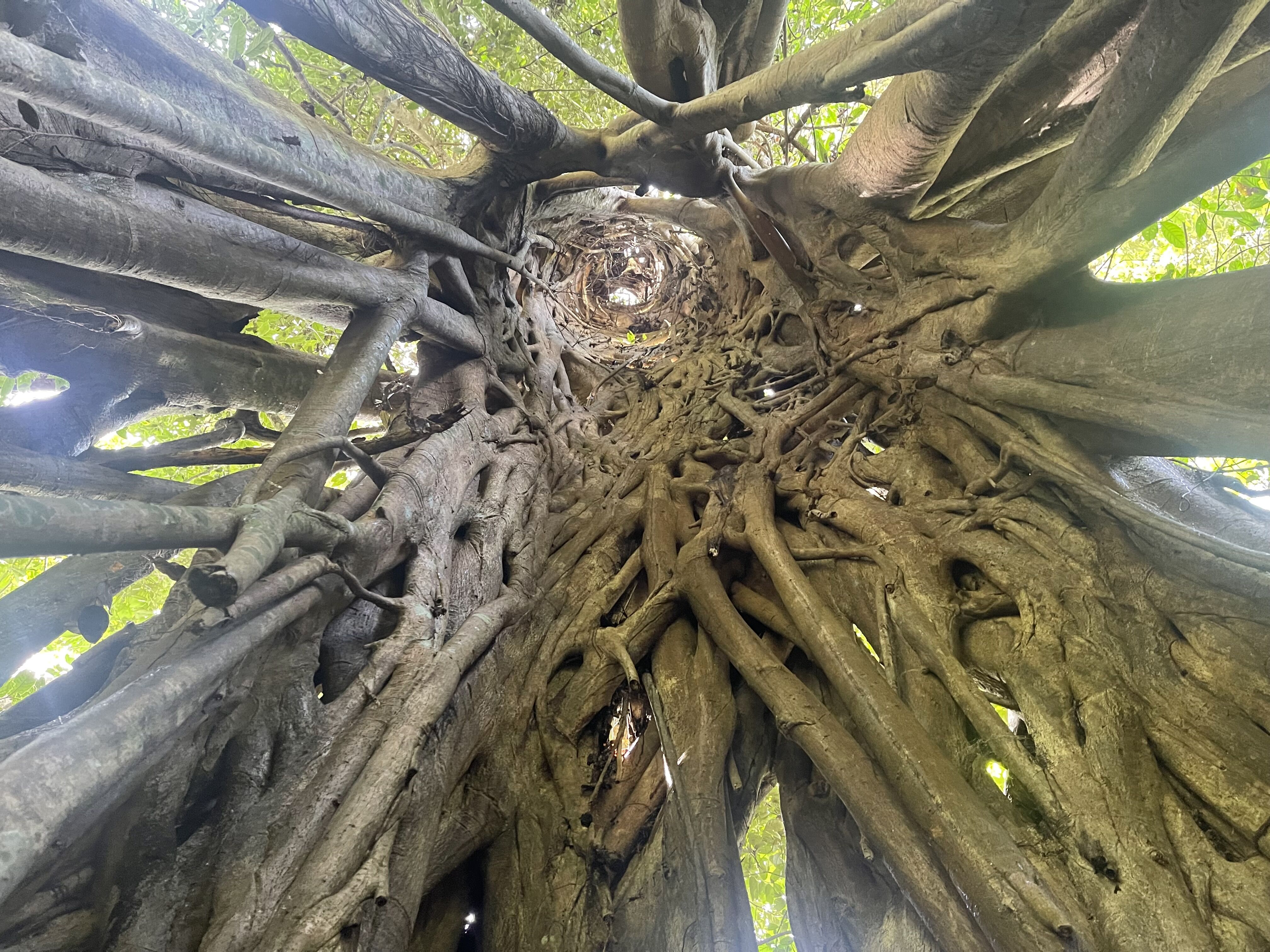
Hemiepiphytic figs reduce phosphorus competition by killing host treesIn a study published in New Phytologist, researchers from Xishuangbanna Tropical Botanical Garden (XTBG) present that hemiepiphytic figs benefit from lessening phosphorus (P) competition by killing their hosts in the P-deficient tropics, and hemiepiphytic figs can adapt to changing habitats via functional trait trade-offs during the host-killing process.Jul 18, 2022
-
Study optimizes layout of crop planting structure in Songhua River BasinIn a study published in Science of The Total Environment, researchers from Xishuangbanna Tropical Botanical Garden (XTBG) and their collaborators analyzed the dual influences of the environment and human activities and the suitability of different areas in the Songhua River Basin (SRB) for the production of different crops, using the geographic distribution information on different crops and the Maximum Entropy (MaxEnt) model.Jul 15, 2022
-
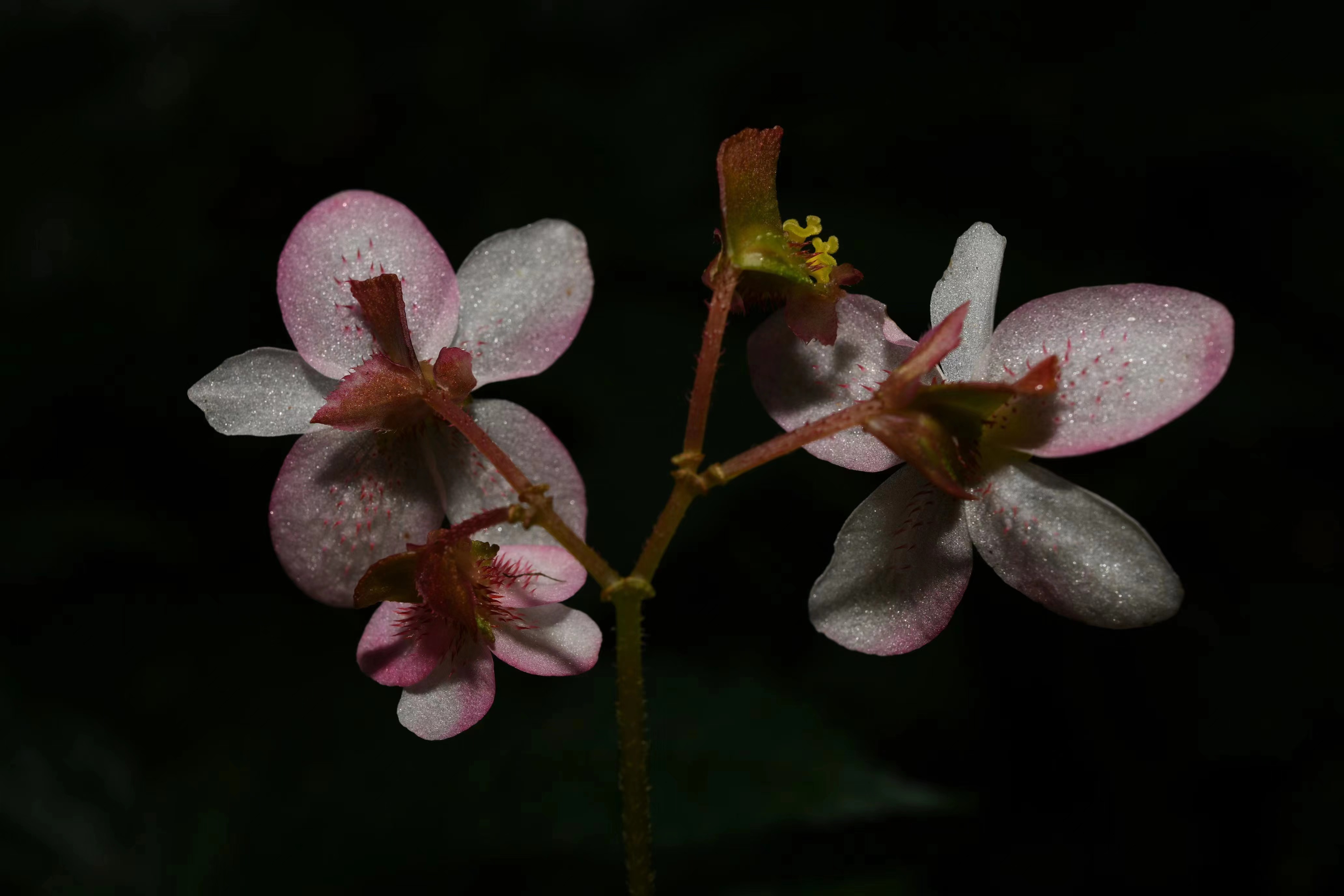
New species of Begonia found in Gaoligong MountainsAfter careful literature review and morphological comparisons, the researchers confirmed it as a species new to science. They named it as Begonia longlingensis to refer to the type locality in Longling County. The new species was published in Taiwania.Jul 13, 2022
-
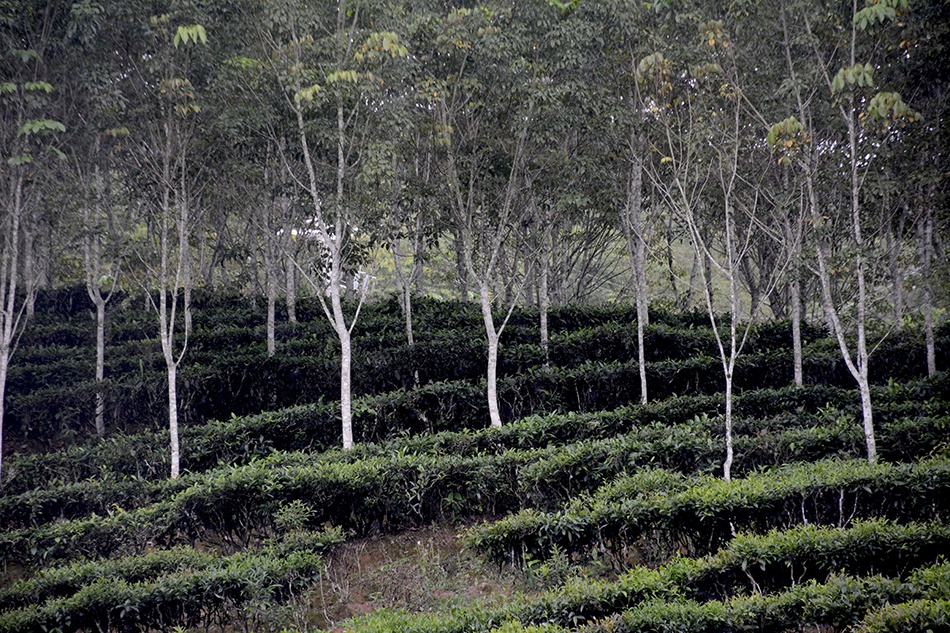
Species-rich agroforestry possibly alleviates water limitation caused by rubber monocultureIn a study published in Agriculture, Ecosystems & Environment, researchers from Xishuangbanna Tropical Botanical Garden (XTBG) tried to investigate water uptake dynamics and interspecific water interactions for three types of rubber-based agroforestry systems using intercropped tea (Camellia sinensis) and orange (Citrus reticulata).Jul 11, 2022
-
Study identifies relationship between body size and soil community assembly in tropical forestIn a study published in Molecular Ecology, researchers from Xishuangbanna Tropical Botanical Garden (XTBG) tried to identify the relationship between body size and soil community assembly in a hyper-diverse tropical seasonal forest ecosystem located in the Xishuangbanna region showing high biodiversity in China. They wanted to know whether multitrophic soil microbiota community assembly in tropical seasonal rainforest tends to be deterministic with increasing body size at a local scale.Jul 07, 2022
-
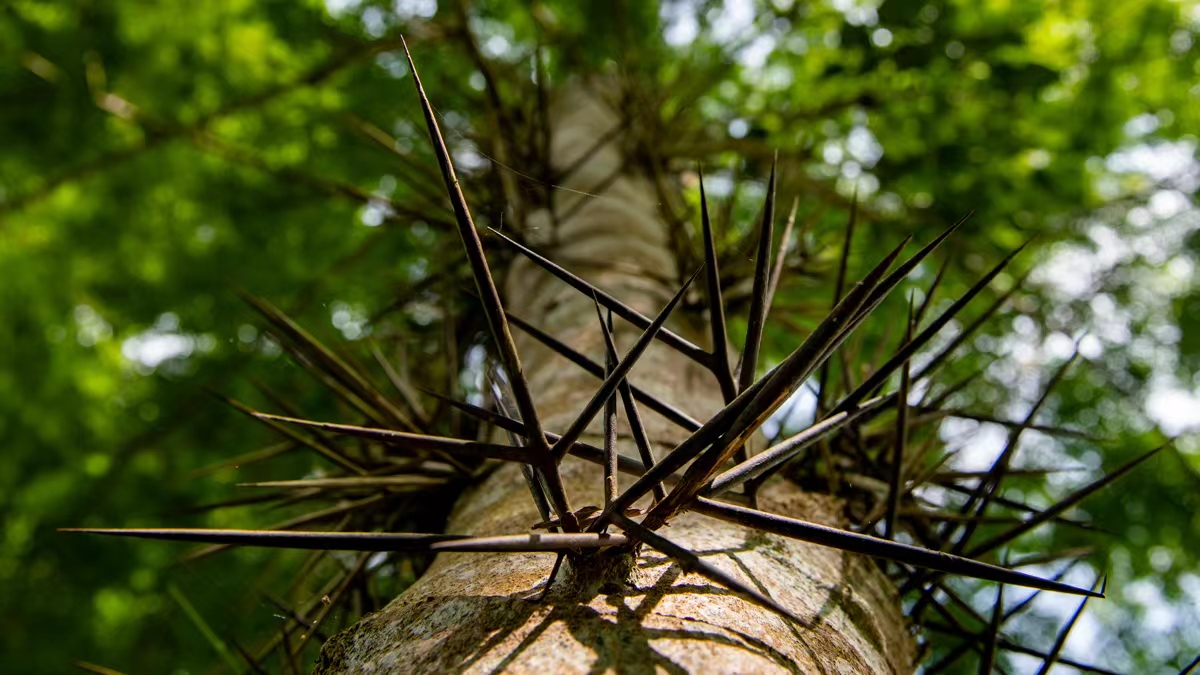
Fossils confirm early diversification of spiny plants in central TibetIn a study published in Nature Communications, researchers from the Xishuangbanna Tropical Botanical Garden (XTBG), the Institute of Vertebrate Paleontology and Paleoanthropology of the Chinese Academy of Sciences (CAS), the University of Bristol, and the Open University of the United Kingdom report exceptionally rich assemblages of plant spine fossils collected from late Eocene (about 39 million years ago) sediments in central Tibet.Jul 05, 2022
-
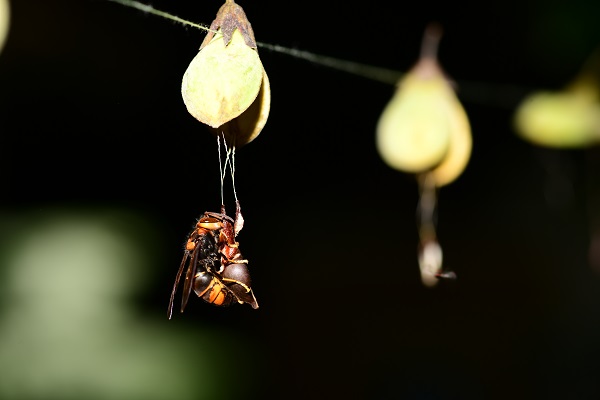
Rapid seed dispersal by hornets facilitates reproduction of agarwood plantsResearchers from the Xishuangbanna Tropical Botanical Garden (XTBG) of the Chinese Academy of Sciences have identified three species of Vespa hornets that help move most Aquilaria sinensis seeds to more suitable places before they lose viability by eating the plant’s fruit. Results were published in Current Biology.Jul 01, 2022
-
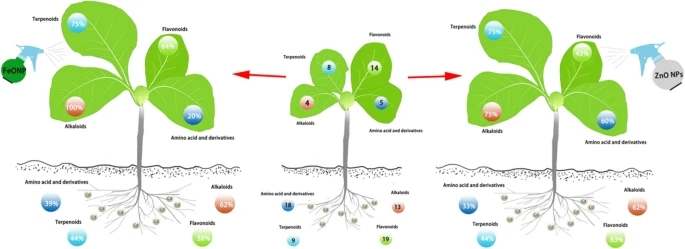
Metal nanoparticles can serve as plant growth regulatorsIn a study published in Journal of Nanobiotechnology, researchers from Xishuangbanna Tropical Botanical Garden (XTBG) and Shanxi Agricultural University investigated the mechanisms of nanoparticle-mediated cadmium (Cd) tolerance in plants.Jun 30, 2022