-
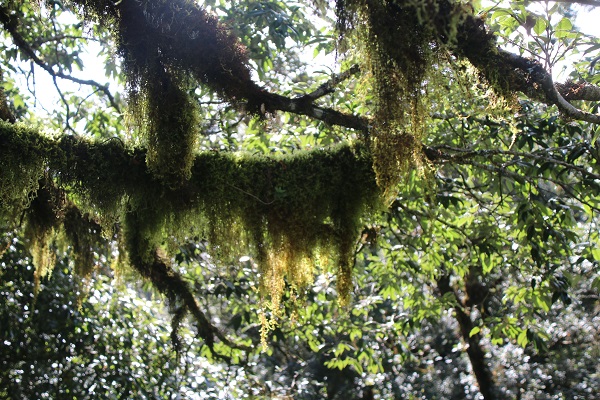
High resource use efficiency may explain rapid recovery of vascular epiphyte populations after droughtIn a study published in Plant Biology, researchers from Xishuangbanna Tropical Botanical Garden (XTBG) attempted to link ecological stoichiometry to epiphyte population dynamics, by using four consecutive epiphyte censuses performed in 2005, 2010, 2015, and 2020 in a subtropical montane cloud forest in the Ailao Mountains in SW Yunnan.Oct 11, 2022
-
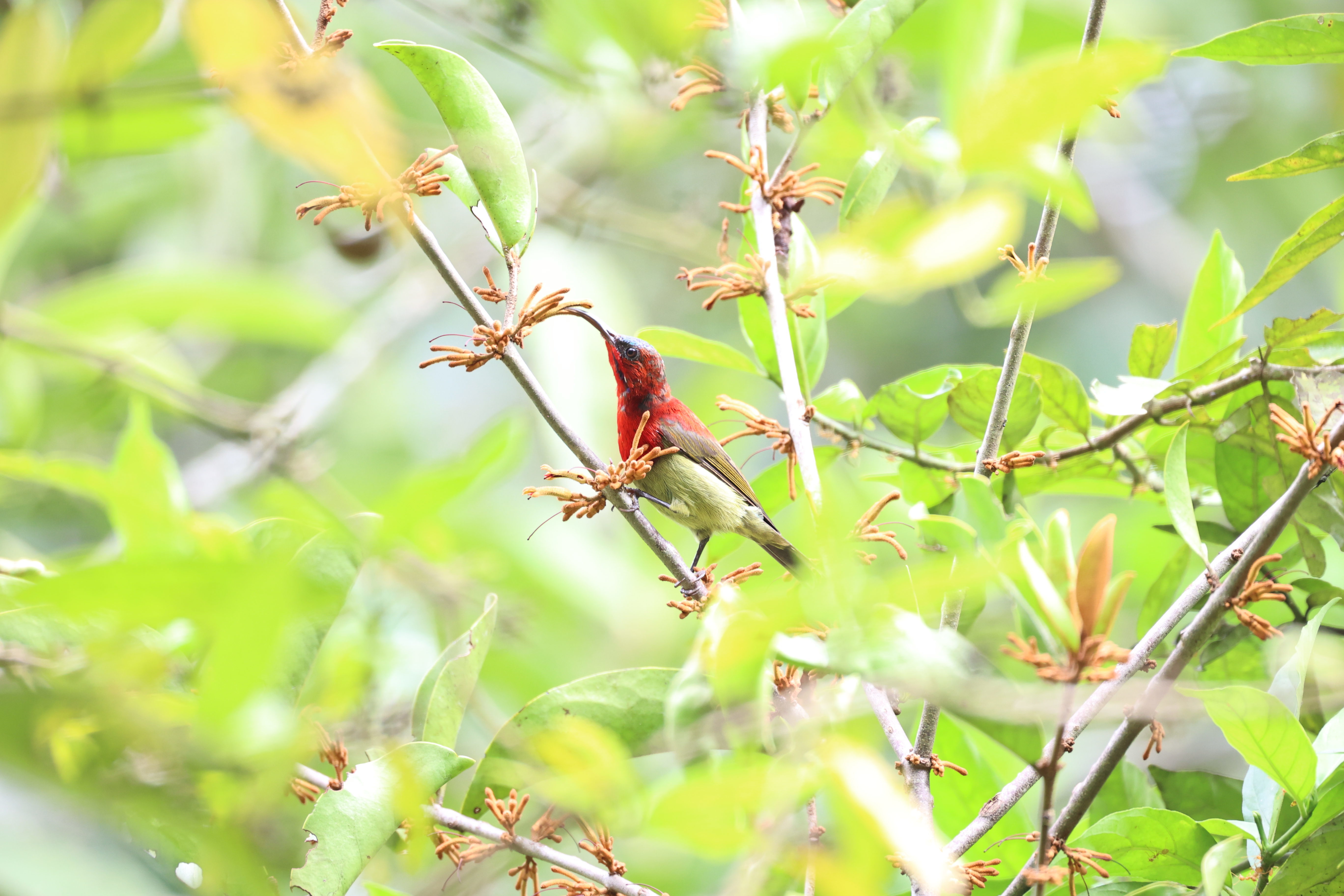
Host-generalist mistletoe exhibits high level of outcrossingIn a study published in Molecular Ecology, researchers from Xishuangbanna Tropical Botanical Garden (XTBG) tried to disentangle factors shaping outcrossing rate and genetic structure of different populations, by combining data on the spatial distribution, the behavior of pollinating birds, and the mating system.Oct 09, 2022
-
Study investigates how aboveground litterfall respiration and its environmental parameters respond to heavy snowfall eventsIn a study published in Applied Soil Ecology, researchers from Xishuangbanna Tropical Botanical Garden (XTBG) investigated how aboveground litterfall respiration and its environmental parameters respond to heavy snowfall events.Oct 08, 2022
-
Forest fragments are important to fern conservation in XishuangbannaIn a study published in Forests, researchers from Xishuangbanna Tropical Botanical Garden (XTBG) investigated the factors influencing the abundance, species richness, and composition of ferns in the fragmented landscape of Xishuangbanna, China.Sep 27, 2022
-
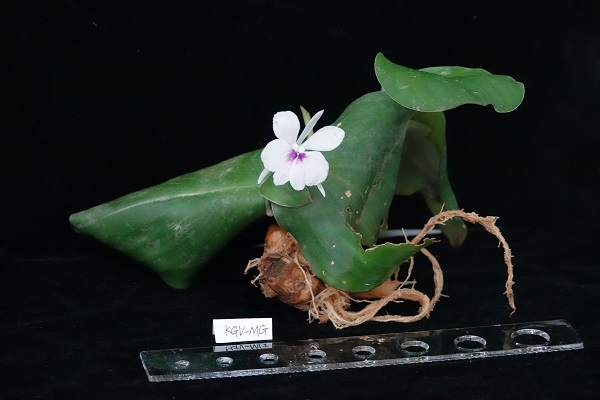
Different cell types explain morphological differences of two ginger varietiesIn a study published in Scientia Horticulturae, researchers from Xishuangbanna Tropical Botanical Garden (XTBG) systematically analyzed the differences between K. galanga var. galanga and K. galanga var. latifolia using cytology, morphological comparisons of leaves, stomata, flowers, and active compounds.Sep 26, 2022
-
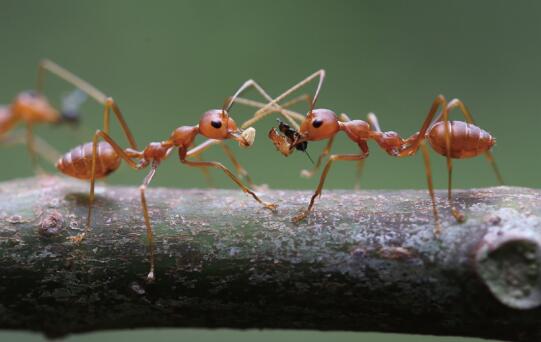
Bottom-up process plays central role in determining ant–tree interaction networksIn a study published in Ecological Entomology, researchers from Xishuangbanna Tropical Botanical Garden (XTBG) tried to test whether spatial shifts in the organization and pattern of ecological networks may be driven by species composition turnover, changes in species abundance and/or abiotic effects on species interactions.Sep 23, 2022
-
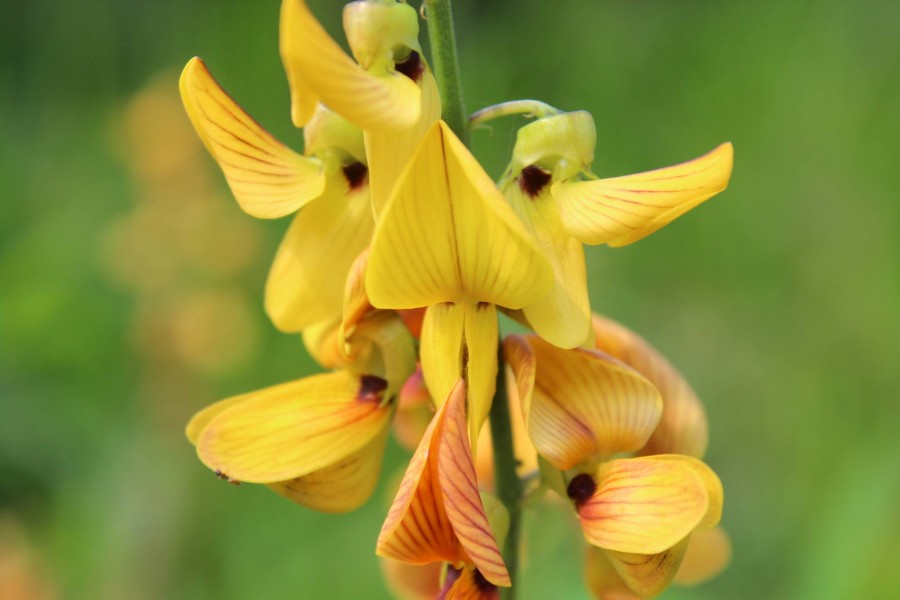
Study provides assessment framework for conservation and management of legume plants in coastal East AfricaIn a study published in South African Journal of Botany, researchers from Xishuangbanna Tropical Botanical Garden (XTBG) and their collaborators tried to identify high priority conservation areas and better understand the eco-geographic adaptations, ranges, and conservation status of diverse Fabaceae taxa in coastal regions of East Africa.Sep 21, 2022
-
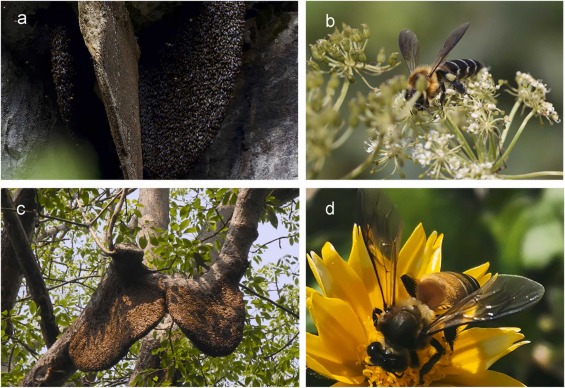
Temperature contributes most to geographical distribution of two giant honeybeesIn a study published in Global Ecology & Conservation, researchers from Xishuangbanna Tropical Botanical Garden (XTBG) analyzed the key factors affecting the distribution of the two giant honeybee species, as well as their potential suitable areas and possible co-existence regional changes under the global climate change.Sep 19, 2022
-
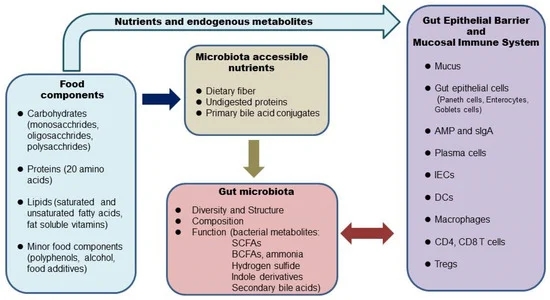
Nutritionally balanced and whole food-based fiber-rich diet is beneficial to gut healthIn a study published in International Journal of Molecular Sciences, Prof. ZHANG Ping of Xishuangbanna Tropical Botanical Garden (XTBG) reviewed food and nutrition factors that affect gut health by influencing the interplay of the gut microbiome with the epithelium and intestinal mucosal immune system.Sep 15, 2022
-
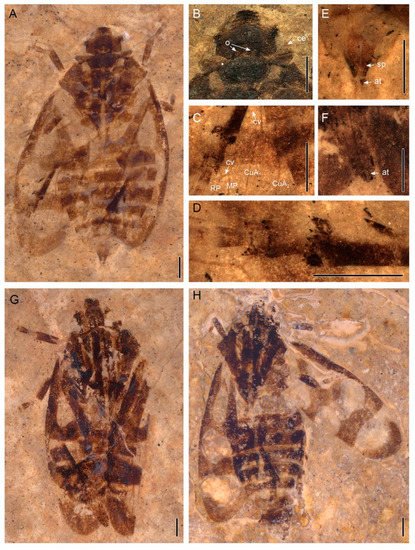
New genus of spittlebugs reported from central Tibetan PlateauSep 14, 2022
-
Above and belowground traits vary in response to soil moisture availability and plant competitionIn a study published in Annals of Botany, researchers from Xishuangbanna Tropical Botanical Garden (XTBG) tried to examine and compare the response of above and belowground traits, and patterns of biomass allocation to soil moisture and plant competition treatments.Sep 13, 2022
-
Fear emotion has negative impact on mitigation behavior toward climate changeIn a study published in Climatic Change, researchers from Xishuangbanna Tropical Botanical Garden (XTBG) tried to explore how emotions of fear or hope affect curriculum-based CCE. They designed a curriculum focusing on factual knowledge of the climatic change, coupled with a video clip pro for the knowledge lectures intended to instill emotions of fear or hope as manipulated treatments.Sep 09, 2022