-
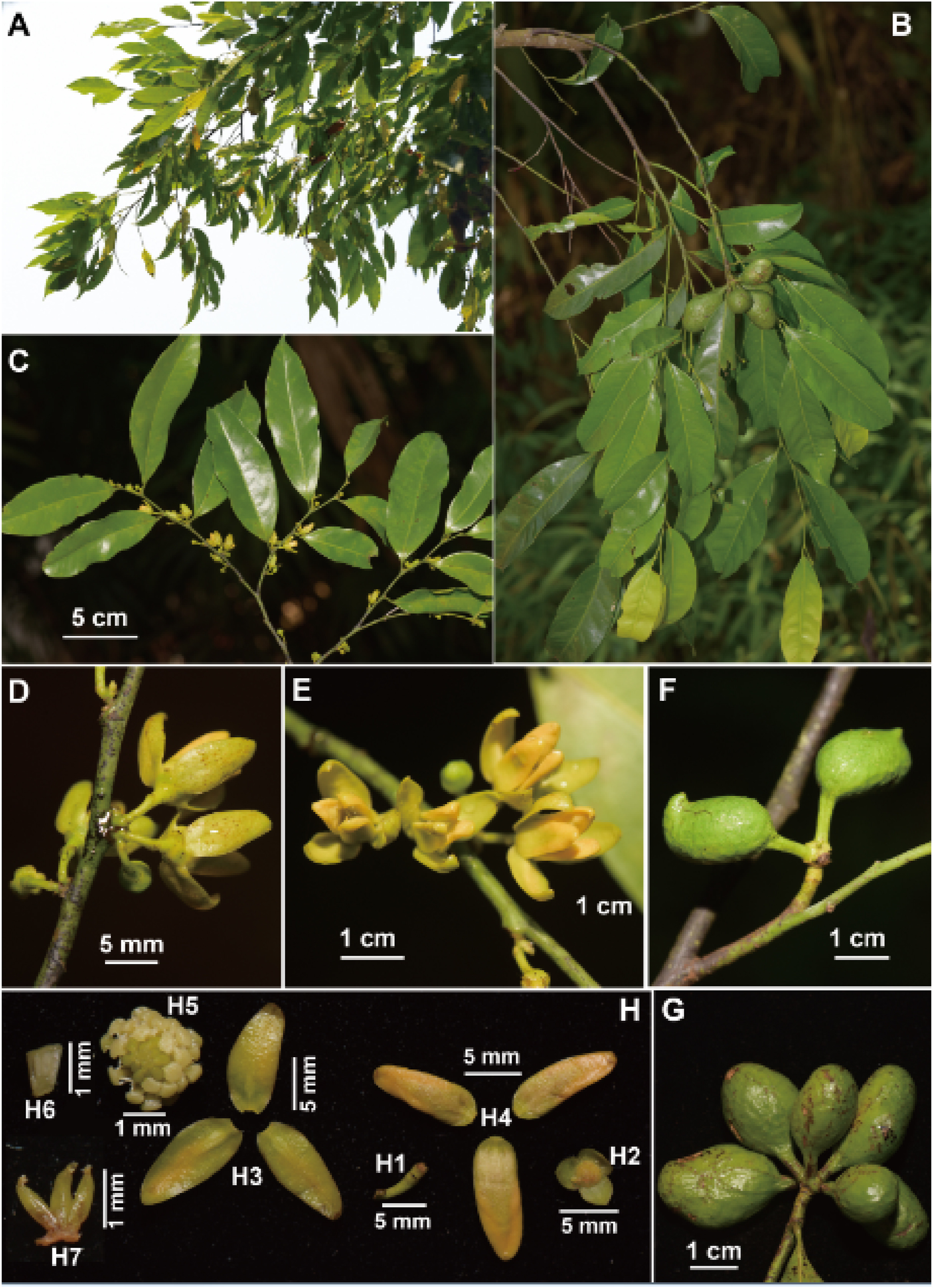
Two new Polyalthiopsis species reported from ChinaTwo of the unknown species were introduced from southeastern Yunnan in 2000 and from Napo, Guangxi, in 2002, respectively, but without any information on their locations or habitats. Fortunately, XTBG researchers identified the locations and in April 2021 found these species in the wild. After morphological comparisons and phylogenetic analyses based on five chloroplast regions, the researchers confirmed two new species and named them as Polyalthiopsis nigra and Polyalthiopsis xui respectively.Jun 07, 2022
-
Modern flora across SE margin of Tibetan Plateau start by early OligoceneJun 07, 2022
-
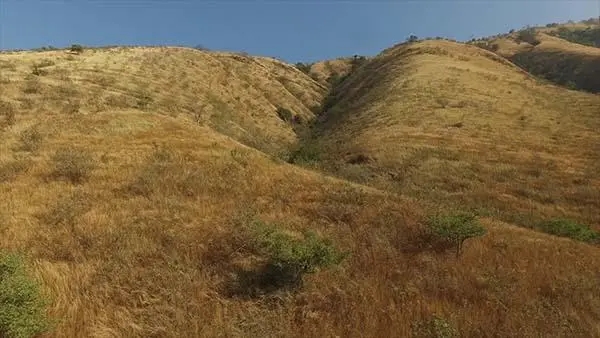
Enclosures promote hydrological function and services in savannasIn a study published in Land Degradation & Development, researchers from Xishuangbanna Tropical Botanical Garden (XTBG) tried to assess the effect of grazing exclusion on water storage, soil infiltrability, and preferential water flows and explore related influencing factors in dry-hot savanna systems.May 31, 2022
-
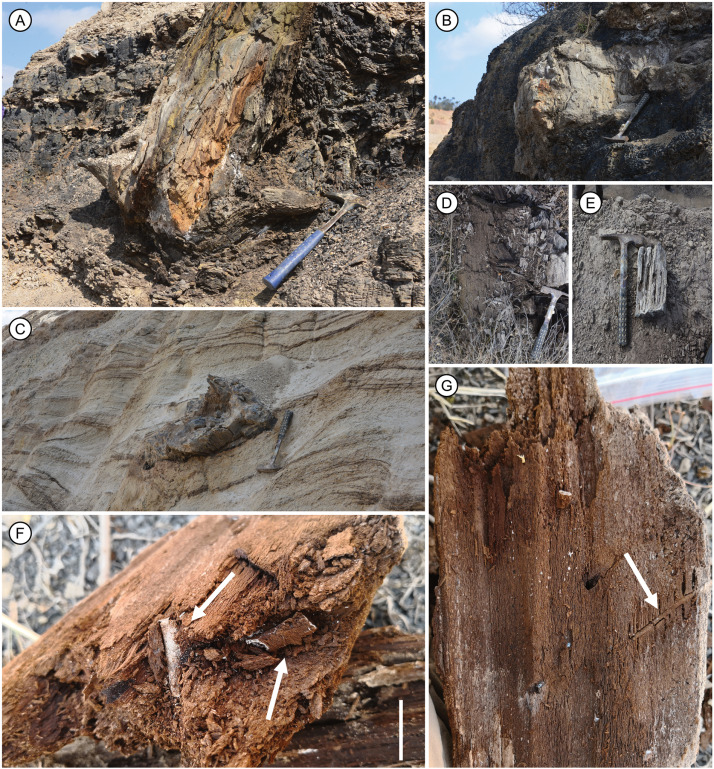
New wood fossil record of Taxodioxylon reported from Chuxiong, YunnanIn a study published in Review of Palaeobotany and Palynology, researchers from Xishuangbanna Tropical Botanical Garden (XTBG) presented first report of extensive arthropod and fungal traces in the Oligocene Lühe flora and showed a new wood fossil record of Taxodioxylon in this region.May 25, 2022
-
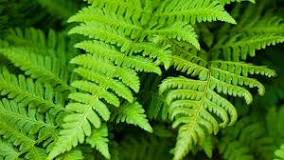
Protected areas effectively conserve ferns and lycophytes in XishuangbannaIn a study published in Journal for Nature Conservation, researchers from Xishuangbanna Tropical Botanical Garden (XTBG) tried to explore the ferns and lycophytes’ diversity of Xishuangbanna with special emphasis on conservation efforts provided by the currently established protected areas (PAs).May 19, 2022
-
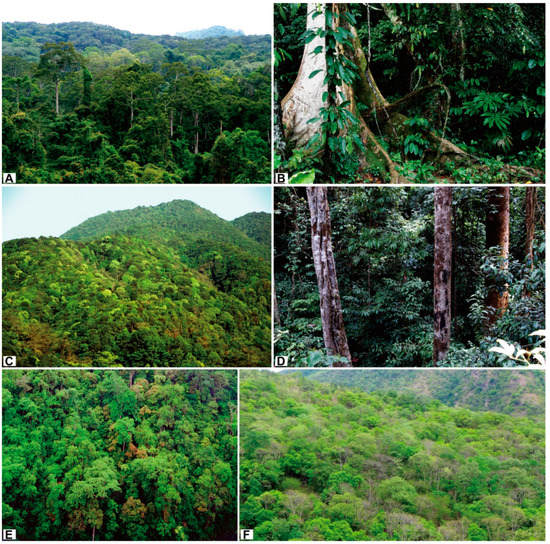
Researchers review and clarify diversity, origin, and evolution of flora and vegetation of YunnanIn a study published in Diversity, Prof. ZHU Hua and TAN Yunhong of Xishuangbanna Tropical Botanical Garden (XTBG) tried to review and clarify the diversity, origin, and evolution of the flora and vegetation of Yunnan.May 17, 2022
-
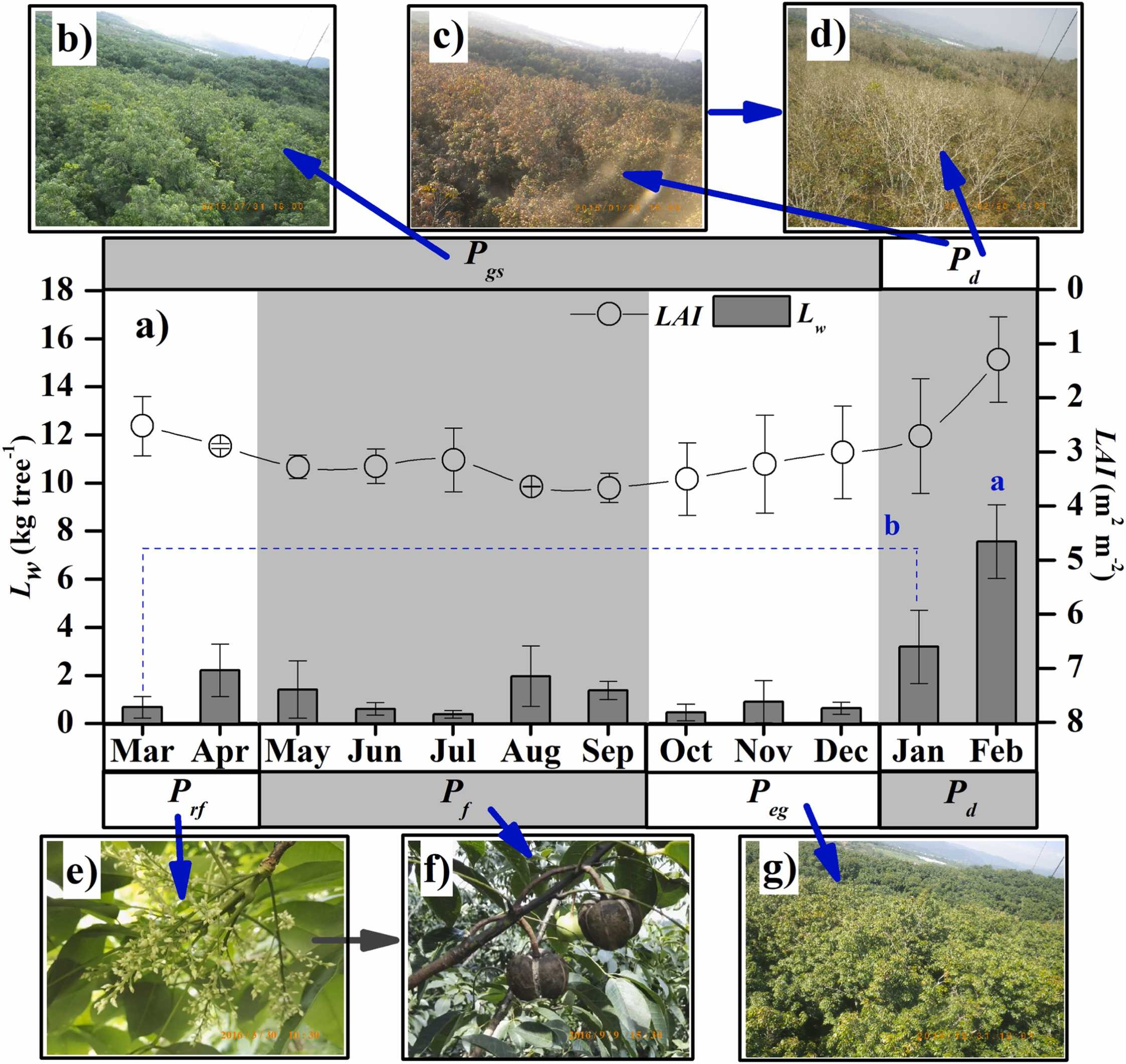
Increases in planting density tend to decrease water use efficiency of rubber treesIn a study published in European Journal of Agronomy, researchers from Xishuangbanna Tropical Botanical Garden (XTBG) tried to explore the responses of the carbon-water coupling of rubber plantation to phenological changes, stand ages, planting densities, as well as hydrothermal conditions.May 17, 2022
-
Study provides methods for obtaining source apportionment of soil heavy metalsIn a study published in Science of The Total Environment, researchers from Xishuangbanna Tropical Botanical Garden (XTBG) investigated the soil HMs contamination and pollution sources in a typical coal industrial city. They quantified the ecological and human health risks of soil HMs from different sources, by a comprehensive approach combining risk assessments with positive matrix factorization (PMF) model.May 13, 2022
-
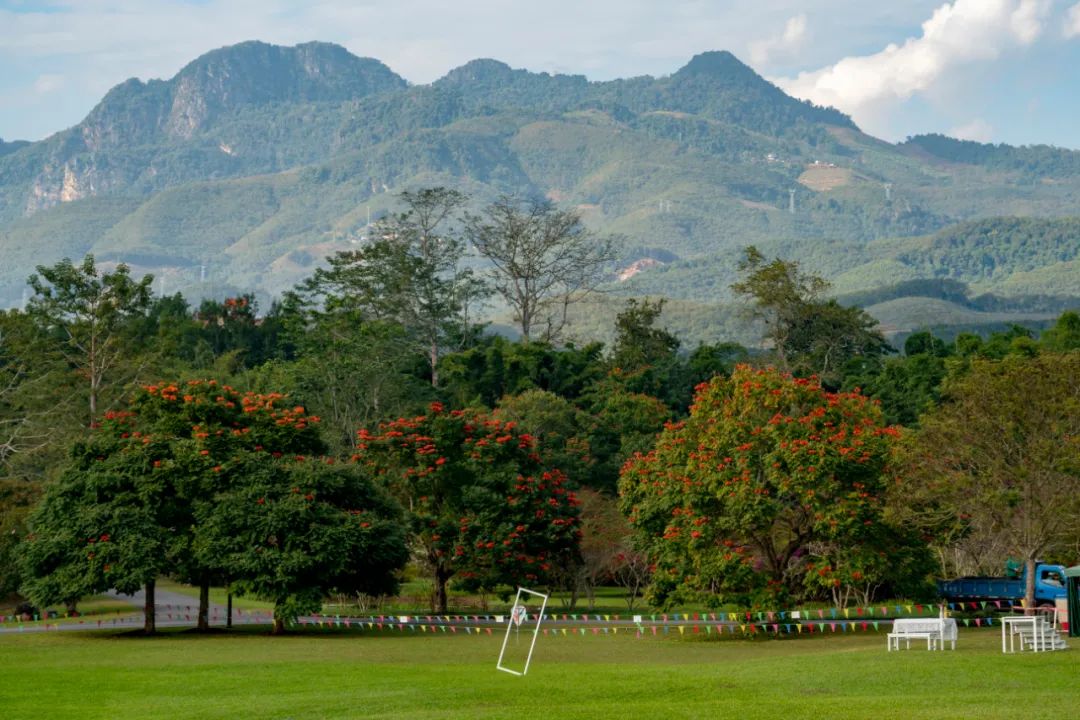
Environmental education and advocacy: complementary strategy for rural development and conservationIn a study published in Sustainability, researchers from Xishuangbanna Tropical Botanical Garden (XTBG) tried to uncover how local people are driven to engage in habitat conservation, so as to provide realistic recommendation and coordination for building environmentally sustainable rural communities.May 10, 2022
-
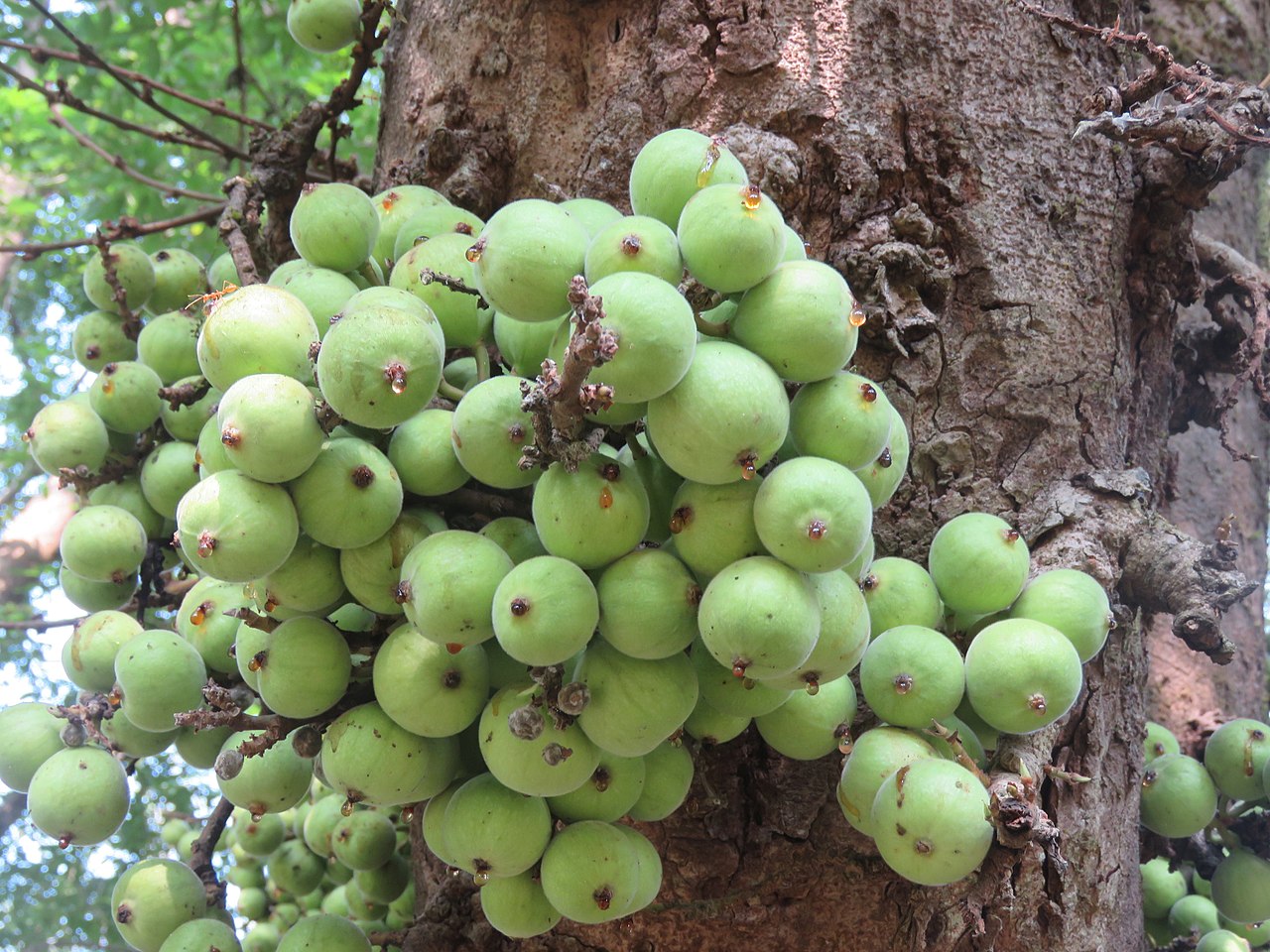
Temperature affects fig wasp community structure by changing strength of competitive interactionsIn a study published in Journal of Animal Ecology, researchers from Xishuangbanna Tropical Botanical Garden (XTBG) tried to explore how climate affects the multitrophic biotic interactions as well as the community structure by using a multitrophic fig wasp community.May 07, 2022
-
Study provides insights into motor organ of model legume Medicago truncatulaIn a study published in International Journal of Molecular Sciences, researchers from Xishuangbanna Tropical Botanical Garden (XTBG) provide a rich resource to uncover the multiple layers of the gene regulatory network involved in pulvinus development and signal transduction in the model legume M. truncatula.May 06, 2022
-
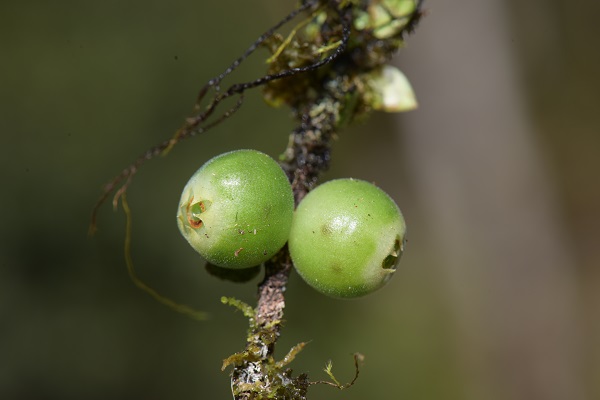
New Agapetes species reported from Medog, TibetDuring floristic exploration of Mêdog, Tibet, researchers from Xishuangbanna Tropical Botanical Garden (XTBG) collected some unknown Agapetes materials of an interesting plant with fruits from two locations in the understory of a primeval subtropical forest. After careful morphological comparison, they confirmed the plant represents a new Agapetes species and published it in Taiwania.May 05, 2022