-
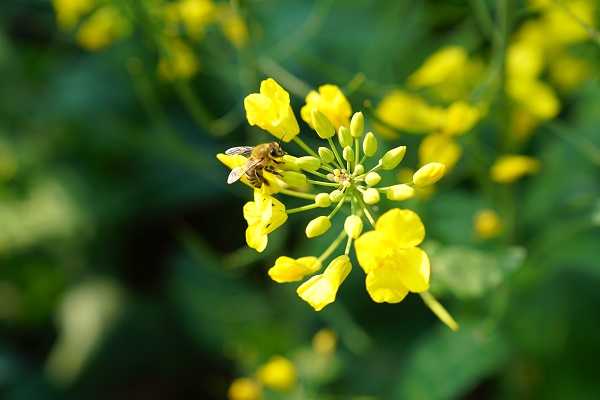
Honey bees use social learning to improve waggle dancingYoung honey bees follow dances of older bees to improve performance In a study published in Science, researchers from the Xishuangbanna Tropical Botanical Garden (XTBG) of the Chinese Academy of Sciences and the University of California San Diego have shown that honey bees use social signal learning to improve their ability to waggle dance.Mar 10, 2023
-
How is Jasmonate signaling enhanced under phosphorous-deficient conditions?In a study published in The Plant Cell, researchers from Xishuangbanna Tropical Botanical Garden (XTBG) used molecular and genetic approaches to reveal the biological functions of PHOSPHATE STARVATION RESPONSE1 (PHR1) in the jasmonate signaling pathway and to clarify how Pi deficiency cooperates with endogenous jasmonate signaling to mediate physiological processes in plants.Mar 03, 2023
-
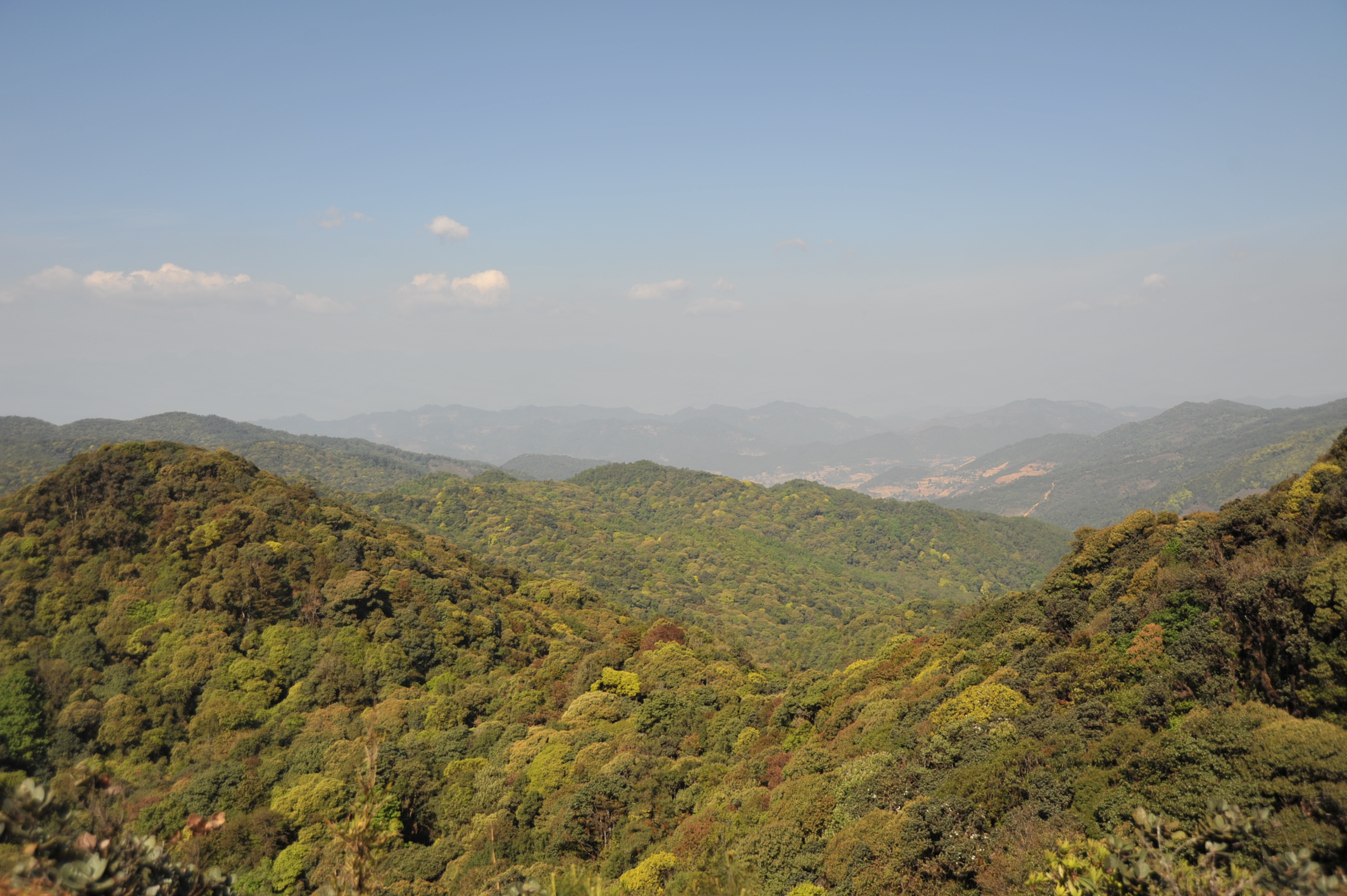
Study presents first systematic analysis of diversity and distribution patterns of orchids on Mt. VictoriaIn a study published in Global Ecology and Conservation, researchers from Xishuangbanna Tropical Botanical Garden (XTBG) and their collaborators present the first systematic analysis of the diversity and distribution patterns of orchids along elevation gradients on Mt. Victoria, Myanmar.Feb 24, 2023
-
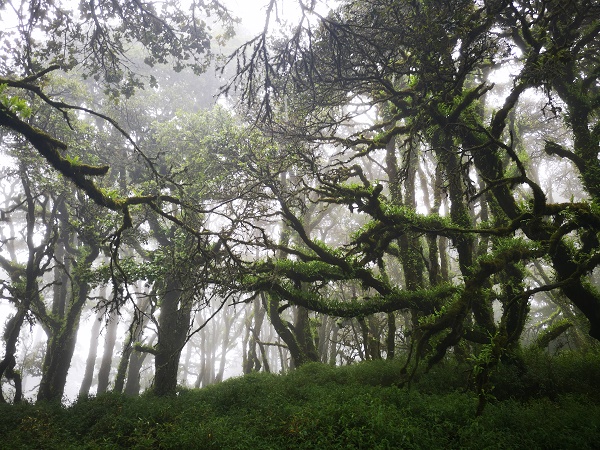
Coordination exists between tree allometrics and functional traitsIn a study published in Ecology and Evolution, researchers from Xishuangbanna Tropical Botanical Garden (XTBG) and University of Notre Dame addressed the degree to which commonly measured functional traits predict tree architecture in a tropical forest. Specifically, they tested whether conservative functional trait values (i.e., dense wood, heavy seeds, slow leaf economics) are related to trees that are shorter in stature with larger crowns at a given stem diameter.Feb 22, 2023
-
Study reveals how transcription factor POPEYE regulates iron homeostasis in plantsIn a study published in Journal of Experimental Botany, researchers from Xishuangbanna Tropical Botanical Garden (XTBG) revealed that the PYE negatively regulated bHLH Ib genes in two different manners and the conditional nuclear localization of PYE was crucial for Fe homeostasis.Feb 20, 2023
-
Multidimensional valuation verifies transitional areas as biodiversity hotspotsIn a study published in Ecological Indicators, researchers from Xishuangbanna Tropical Botanical Garden (XTBG) integrated geographical distribution, phylogenetic information, and functional diversity data to create a systematic overview of Chinese Lauraceae.Feb 17, 2023
-
Study reveals spatial heterogeneity of diversity in two pines in SEAIn a study published in Journal of Systematics and Evolution, researchers from Xishuangbanna Tropical Botanical Garden (XTBG) tried to infer how the Quaternary climate change affected the evolutionary process and range shifts in two pine species.Feb 15, 2023
-
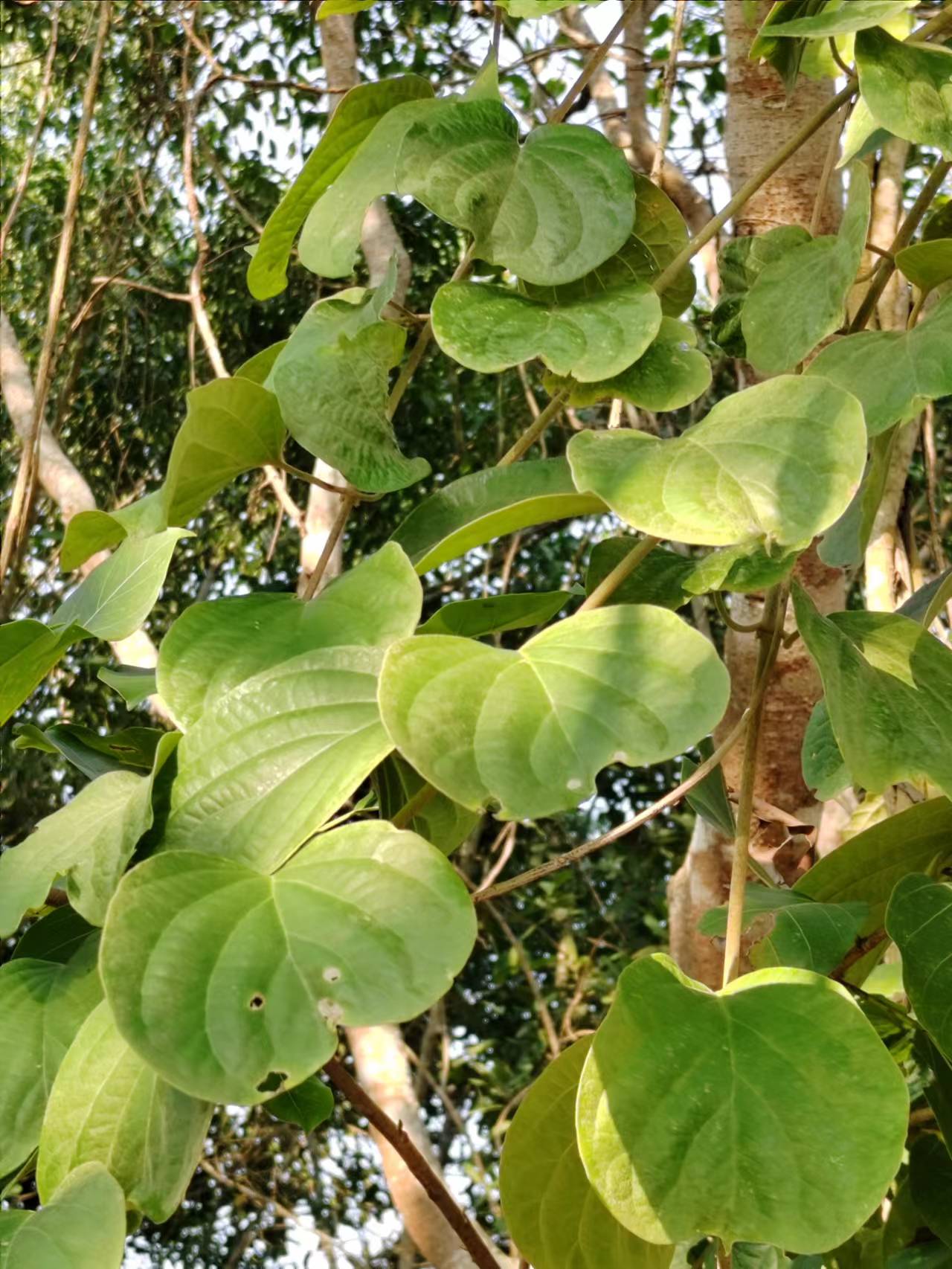
Researchers find mechanism for woody vine preventing kidney stonesIn a study published in Carbohydrate Polymers, researchers from Xishuangbanna Tropical Botanical Garden (XTBG) evaluated an inulin-like polysaccharide purified from the aqueous extract of Aspidopterys obcordata for its inhibitory activity against calcium oxalate crystallization in vitro, in cells and in fruit fly models. They reported the isolation and biological evaluation of a 2.3 kD inulin-like A. obcordata fructan (AOFOS).Feb 14, 2023
-
Termite nesting contributes to soil nutrient cycling in tropical ecosystemsIn a study published in Geoderma, researchers from Xishuangbanna Tropical Botanical Garden (XTBG) investigated termite-induced changes in soil microbial communities and their nutrient cycling functions within termite mounds (i.e. live mounds and abandoned mounds) in the humid tropical region of Southwest China.Feb 13, 2023
-
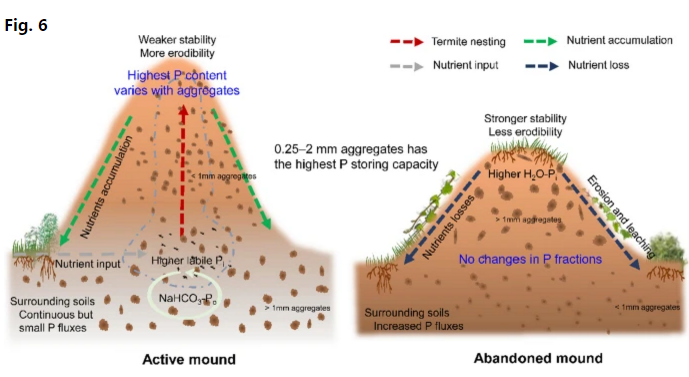
Termite activity is beneficial to promote phosphorous availability in rubber plantationIn a study published in Plant and Soil, researchers from Xishuangbanna Tropical Botanical Garden (XTBG) showed that the presence or absence of fungus-growing termite nesting exhibited contrasting effects on soil aggregate stability and distribution of aggregate-associated P fractions in a mature rubber plantation.Feb 08, 2023
-
Plant U-BOX8 modulates early seedling growth of ArabidopsisIn a study published in Plant Physiology, researchers from Xishuangbanna Tropical Botanical Garden (XTBG)found that PLANT U-BOX 8 (PUB8), a U-box E3 ubiquitin ligase, physically interacted with ABI3 and ABI5 and negatively regulated ABA responses during early Arabidopsis (Arabidopsis thaliana) seedling growth. Loss-of-function pub8 mutants were hypersensitive to ABA-inhibited cotyledon greening, while lines overexpressing PUB8 with low levels of ABI5 protein abundance were insensitive to ABA.Feb 07, 2023
-
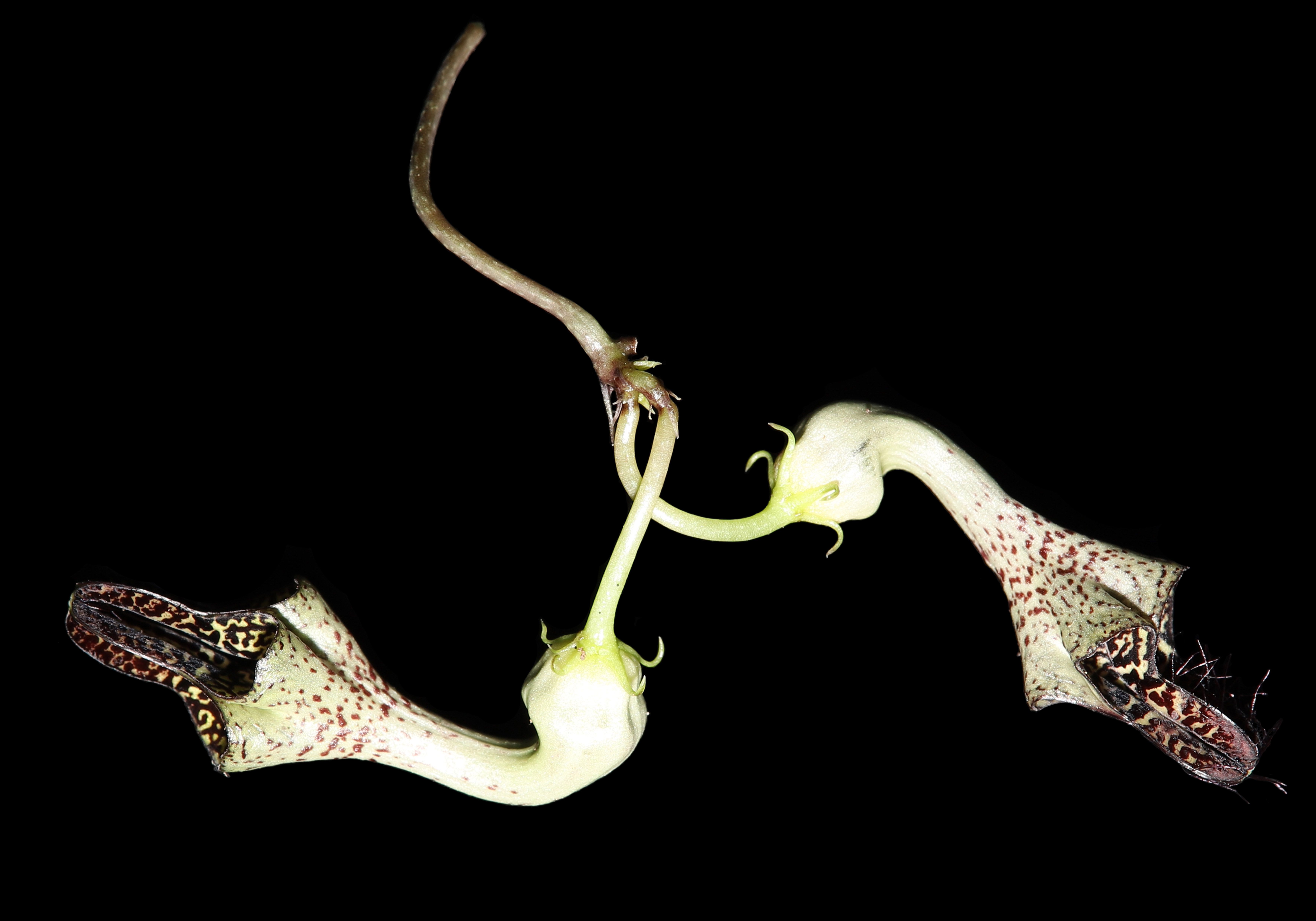
New herb plant species found in YunnanDuring their botanical exploration in Luzhi River valley, Yunnan, researchers from Xishuangbanna Tropical Botanical Garden (XTBG) collected an unknown species of Ceropegia belonging to sect. Chionopegia. After literature review and morphological studies, the researchers confirmed it as a species new to science. They named it as Ceropegia eshanensis to refer to its type locality in Eshan County, Yunnan and published it in Taiwania.Feb 03, 2023