-
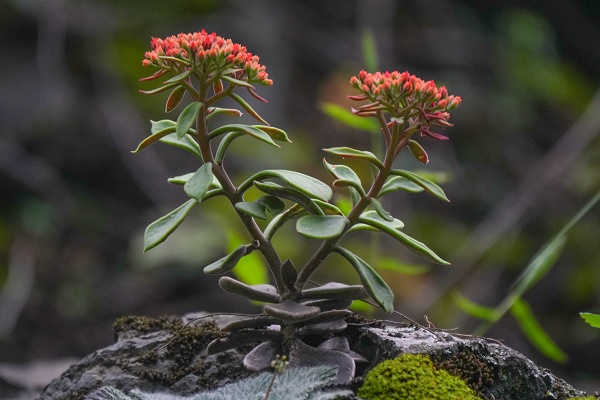
New Succulent Plant Species Found in SichuanResearchers from Xishuangbanna Tropical Botanical Garden (XTBG) and Yunnan University found a new succulent plant in Sichuan. Sinocrassula holotricha is a terrestrial or lithophytic, perennial, plant. It is hairy throughout, reaching 15–20 cm tall.Feb 17, 2025
-
Study Uncovers Two Genes Co-regulating Leaf and Flower Development in SoybeansResearchers from Xishuangbanna Tropical Botanical Garden (XTBG) of the Chinese Academy of Sciences (CAS) uncovered the overlapping roles of two LEAFY (LFY) gene copies, GmLFYa and GmLFYb, in regulating the meristematic activity of compound leaf primordia during soybean compound leaf development. This discovery contributes to our understanding of how the trifoliate pattern in soybeans is established.Feb 11, 2025
-
Plastome-derived DNA Barcodes: Powerful Tools for Identifying Rosewood SpeciesResearchers from Xishuangbanna Tropical Botanical Garden (XTBG) of the Chinese Academy of Sciences introduced a DNA barcoding technique for rosewoods, employing whole-chloroplast genome sequences either as super-barcodes or as sources for pinpointing concise yet richly informative DNA barcoding regions.Feb 06, 2025
-
Study presents first assessment of climate change on African White-backed VultureJan 22, 2025
-
Legumes and Fine Roots Improve Soil Phosphorous BioavailabilityResearchers analyzed the impacts of land use changes on plant community characteristics, soil P cycling dynamics, and soil physicochemical properties under different land use types. They also identified key predictors of available soil phosphorus.Jan 21, 2025
-
Targeted Interventions Are Necessary for Each Threatened Species: StudyProf. Richard T. Corlett of Xishuangbanna Tropical Botanical Garden (XTBG) of the Chinese Academy of Sciences sought to understand the mechanisms behind plant extinctions, specifically focusing on the relatively minor number of plant extinctions in recent years.Jan 17, 2025
Targeted Interventions Are Necessary for Each Threatened Species: Study" title="Targeted Interventions Are Necessary for Each Threatened Species: Study" />
-
Plastome-derived DNA Barcodes: Powerful Tools for Identifying Rosewood SpeciesResearchers from Xishuangbanna Tropical Botanical Garden (XTBG) established a DNA barcoding approach for rosewoods by utilizing whole-chloroplast genome sequences, either as super-barcodes or as sources to identify short but highly informative DNA barcoding regions.Jan 17, 2025
-
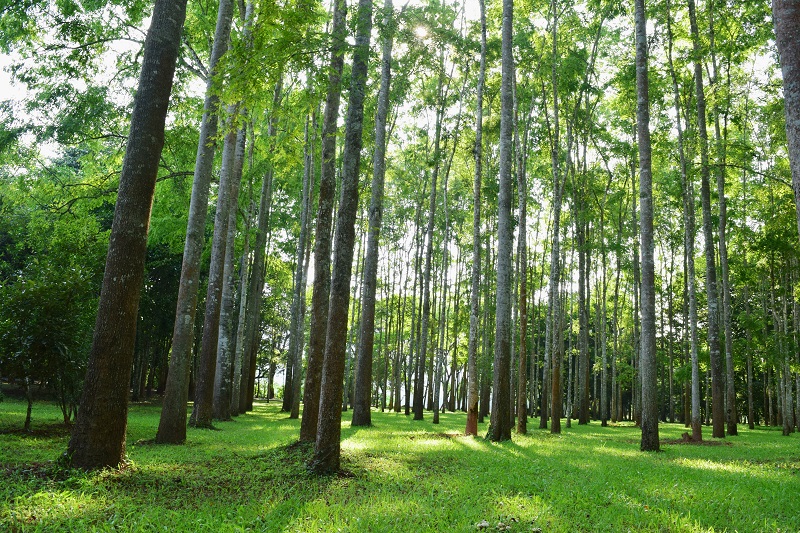
Researchers Call for Strengthening Connectivity between Mountains to Protect BiodiversityResearchers from Xishuangbanna Tropical Botanical Garden (XTBG) and their collaborators systematically evaluated the changes in the diversity patterns of 110 threatened timber species in China under the background of climate change. Based on various climate change models, they predicted the spatial distribution patterns and trends of multi-dimensional diversity of tree species in the future and evaluated the effectiveness of nature reserves in China in protecting the multi-dimensional diversity of timber tree species.Jan 13, 2025
-
How Do Land Use Changes Influence Soil Organic Carbon in Karst Ecosystems?Researchers from Xishuangbanna Tropical Botanical Garden (XTBG) of the Chinese Academy of Sciences (CAS) applied space-for-time substitution and natural 13C abundance approaches to explore how land use changes in karst ecosystems influenced soil organic carbon and carbon flow pathways.Jan 09, 2025
-
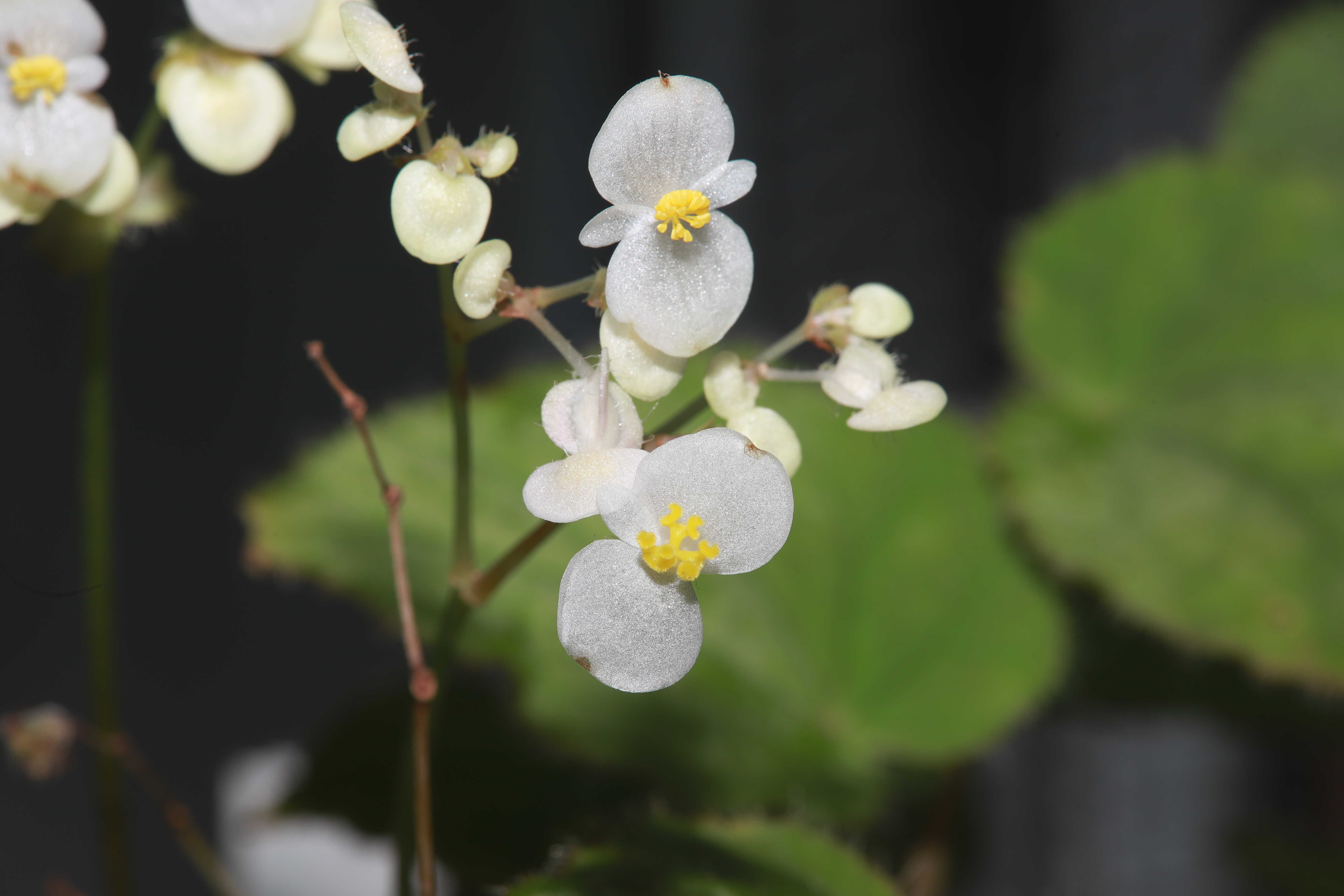
New Begonia species found in GuangxiDuring a field survey of Pingxiang, Guangxi in November 2020, researchers from Xishuangbanna Tropical Botanical Garden (XTBG) collected an unknown Begonia species with relatively small leaves on a limestone mountain, and brought it into cultivation in the garden. After consultation of herbarium specimens and review of relevant literature, the researchers confirmed that the species was new to science. They named it as Begonia pingxiangensis to refer to the type locality in Pingxiang City, Guangxi Zhuang Autonomous Region, China.Jan 02, 2025
-
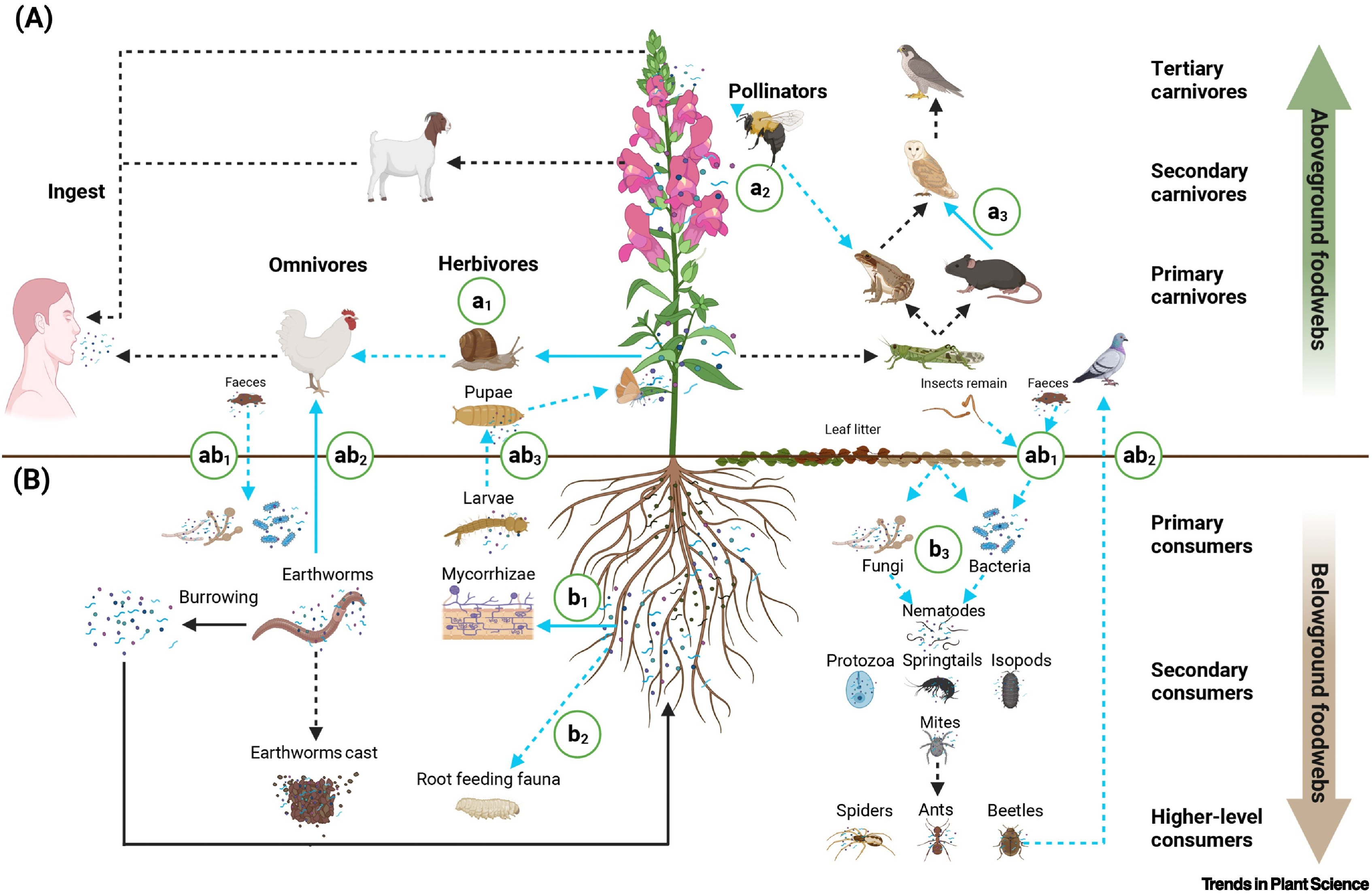
Micro/Nanoplastics profoundly impact terrestrial ecosystem functioningResearchers from Xishuangbanna Tropical Botanical Garden (XTBG) and their collaborators tried to fill the knowledge gap of the uncertainty about the effects of micro/nano plastics on multi-trophic biological interactions and ecosystem functions, especially on plants and aboveground-underground (AG-BG) food webs.They made a comprehensive overview of MNPs ingestion, bioaccumulation, and the ecotocicological endpoints on plants and the associated key AG-BG biota across trophic level.Dec 30, 2024
 Micro/Nanoplastics profoundly impact terrestrial ecosystem functioning" title="Micro/Nanoplastics profoundly impact terrestrial ecosystem functioning" />
-
Study provides possible prioritization for upcoming conservation actions of amphibians in MyanmarDec 27, 2024
