The decline in biodiversity and escalating climate crisis underscore the urgent need for effective conservation leadership to drive behavioral change and public engagement. Although previous studies have identified key components of conservation leadership in addressing ecological challenges, few have empirically examined how youth-focused environmental programs cultivate these competencies.
In a study published in Integrative Conservation, researchers from Xishuangbanna Tropical Botanical Garden (XTBG) investigated the Roots & Shoots Next Jane program in China, a pioneering initiative launched in 2021 to develop conservation leadership (i.e. the capacity to influence individuals to participate in the protection and management of ecosystems, thereby promoting environmental health) among youth.
Using qualitative interviews with 21 program participants, supplemented by portfolio data collection, the researchers assessed the program's impact on participants' leadership competencies and conservation behaviors.
In the analysis of the 21 interview transcripts, the researchers focused on motivations of participating in the environmental program; effects of participation on individuals, including changes in conservation leadership, environmental behavior, and future aspirations; and the process underling changes in conservation leadership.
Applying a grounded theory approach, they uncovered complex interactions among personal motivation, program design, and leadership development, thereby contributing to both theoretical and practical discussions within the fields of environmental education and leadership studies.
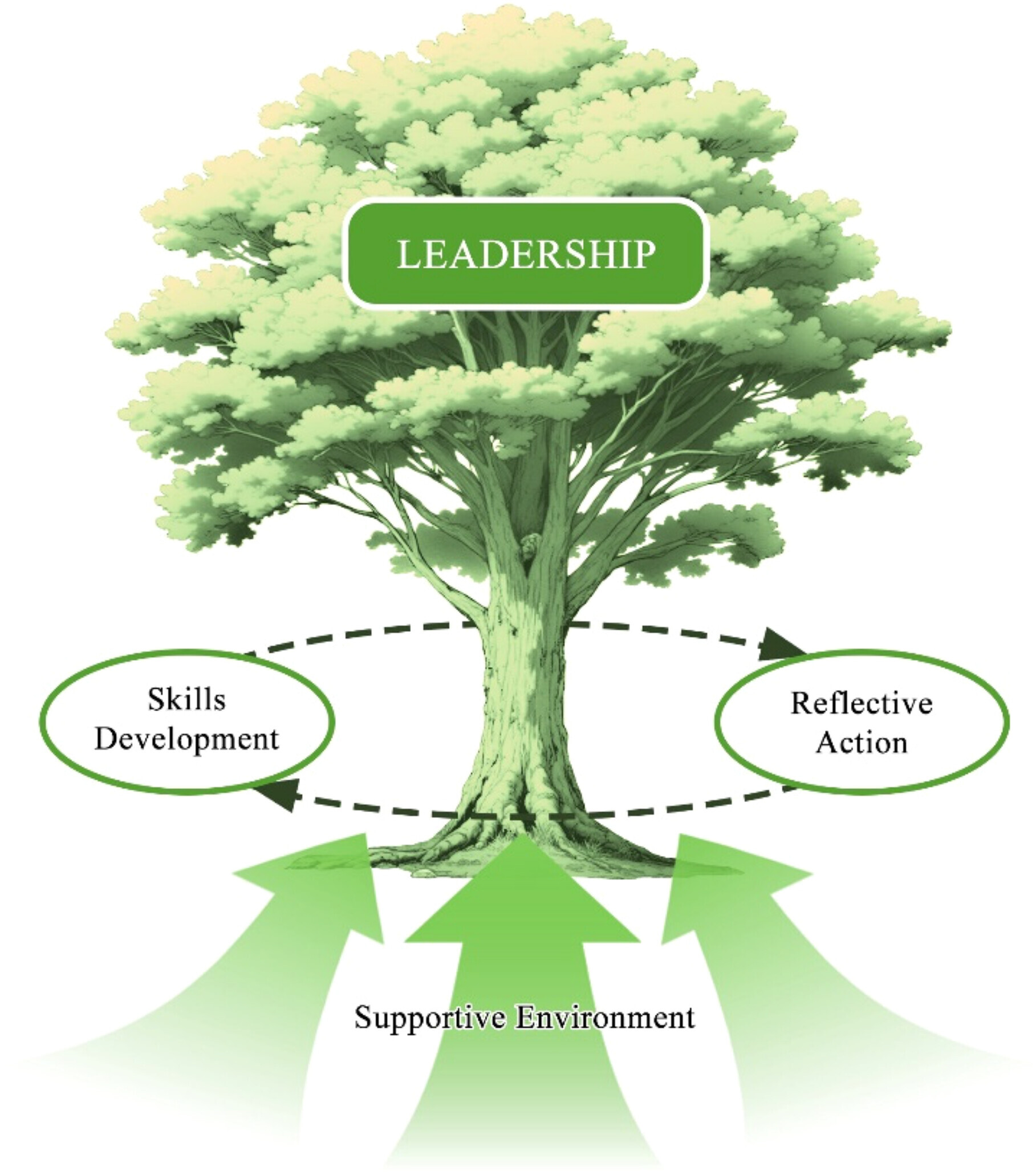
The study demonstrated that the Roots & Shoots Next Jane program effectively nurtures conservation leadership through a synergistic interplay of skills development, environmental support, and reflective action.
Participating in the program has enhanced the abilities of young participants, including their influence, empathy, environmental literacy, altruism, interpersonal skills, sense of responsibility, and decisiveness. It is consistent with global sustainability competencies, positioning participants as agents of ecological and social change.
According to the researchers, the program's success is attributed to its capacity to legitimize youth agency by providing platforms for authentic practice (e.g., community-led projects) and by linking individual actions to a broader narrative of hope, which transforms abstract environmental values into concrete leadership behaviors.
“The process of developing conservation leadership involves an interplay of skills development, a supportive environment, and reflective action, resembling an iterative spiral,” said HE He of XTBG.
Contact
HE He
Xishuangbanna Tropical Botanical Garden
E-mail: hehecuris@xtbg.org.cn
First published: 15 December 2025


