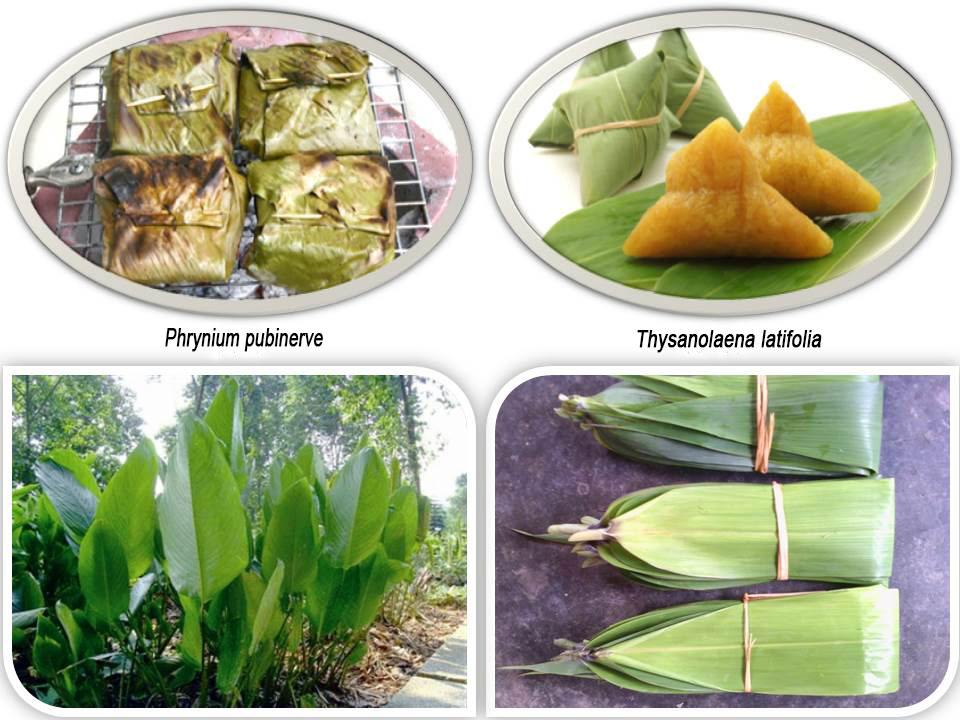
Leaves of P. pubinerve and T. latifolia are promising natural packaging materials
The essential oils were collected by simultaneous distillation extraction with a yield of 0.025% (w/w) and 0.030 % (w/w) on a dry weight basis for P. pubinerve and T. latifolia, respectively. By using gas chromatography/mass spectrometry (GC-MS) analysis, the researchers identified 46 and 21 components, representing 88.57–93.44% of the essential oils of the two species. The essential oil samples were found rich in aliphatic alcohols, aromatics, oxygenated monoterpenes and diterpenes.
All essential oil and ethanol extract samples showed antioxidant activity in the DPPH (2, 2-Diphenyl-1-picrylhydrazyl radical), ABTS (2, 2-Azobis-3-ethylbenzthiazoline-6-sulphonic acid ) and FRAP (ferric reducing antioxidant power)assays. The essential oils showed a potential reducing antioxidant power and were active against all tested pathogenic bacteria and spoilage organisms. Moreover, the essential oils had much broader antimicrobial activities than the ethanol extracts and showed notable antimicrobial activity against seven microbial strains.
The results were consistent with the traditional use of both species as naturally biodegradable package materials with antiseptic functions. Furthermore, their high antimicrobial activities against pulmonary infection-causing bacteria and food-borne pathogens agreed with the traditional use of both taxa as indigenous remedies for the relief of coughs, detoxification and stomach disorders. The researchers thus concluded that P. pubinerve and T. latifolia are promising green preservatives for packaging, medicinal and food industry.
 Appendix:
 Prev

