Xishuangbanna Tropical Botanical Garden (XTBG) held its 2025 Academic Annual Meeting and Cai Xitao Youth Academic Forum from December 3-4. Marking the 10th anniversary of the conference, this year’s theme is “Innovation - driven: jointly building a national botanical garden and a highland for tropical ecological civilization”. It brought together researchers and graduate representatives to review a decade of progress and plan for future development.
Prof. Xing Yaowu, director of XTBG, said that the Annual Academic Conference has evolved into a vital platform for exchanging scientific achievements, stimulating innovation, promoting the scientific spirit of Cai Xitao, and supporting the growth of young talents. “The annual meeting 2025 is expected to pool collective wisdom to advance tropical biodiversity conservation and sustainable utilization,” said Xing in his opening remarks.
The two-day meeting included 1 special invitation report, 3 plenary presentations, 37 PI presentations, 3 thematic reports from key research teams, 2 presentations by newly recruited young scientists,13 reports from young scientists, 22 graduate student presentations, and 27 poster presentations.
Prof. Su Yanjun from Institute of Botany was invited to give a keynote presentation, about integrating multi-source remote sensing observations to analyze spatial patterns of forest canopy structural diversity and their impacts.
Profs. Ahimsa Campos-Arceiz, Sun Guiling, Li Shufeng made plenary presentations. Three key research teams—led by Sun Yongshuai, Tian Bo, and Chen Yajun—presented annual advances in natural rubber, sustainable use of Spatholobus suberectus, and balsa wood research, respectively.
To encourage young talents, the conference presented the “Outstanding Young Scientist Report Award” and the “Outstanding Graduate Student Report Award.” This year also introduced a “flash talk” session for graduate students to enhance research visibility and innovative idea exchange.
During the meeting, XTBG launched the “Director’s Fund - Seed Fund Program,” which will provide grants of 100,000, 200,000, and 500,000 RMB to support exploratory research with strategic and innovative potential in ecology, resource botany, and conservation biology. The initiative encourages young researchers to pursue original “zero-to-one” breakthroughs addressing major scientific questions.
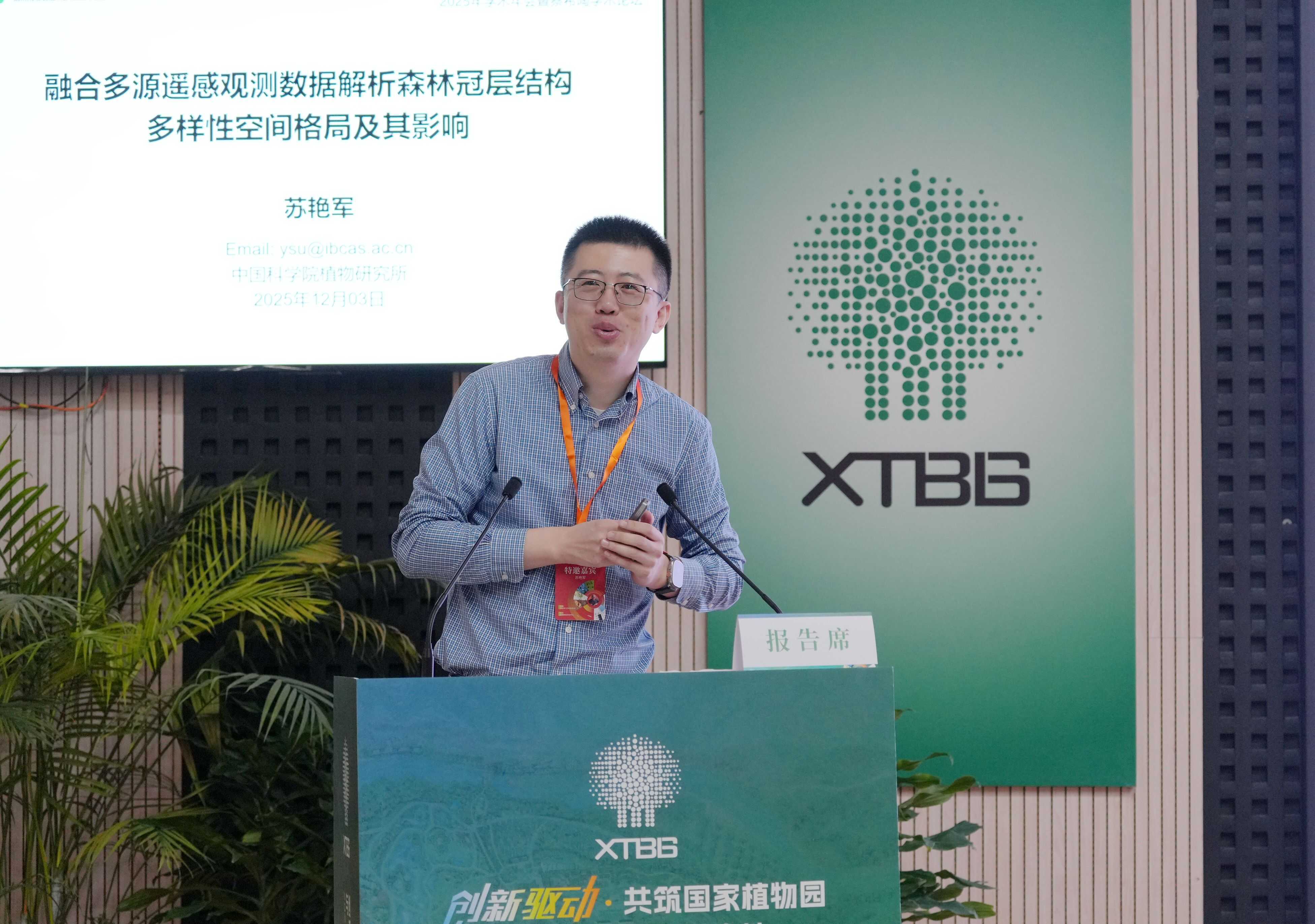
Invited keynote speaker.
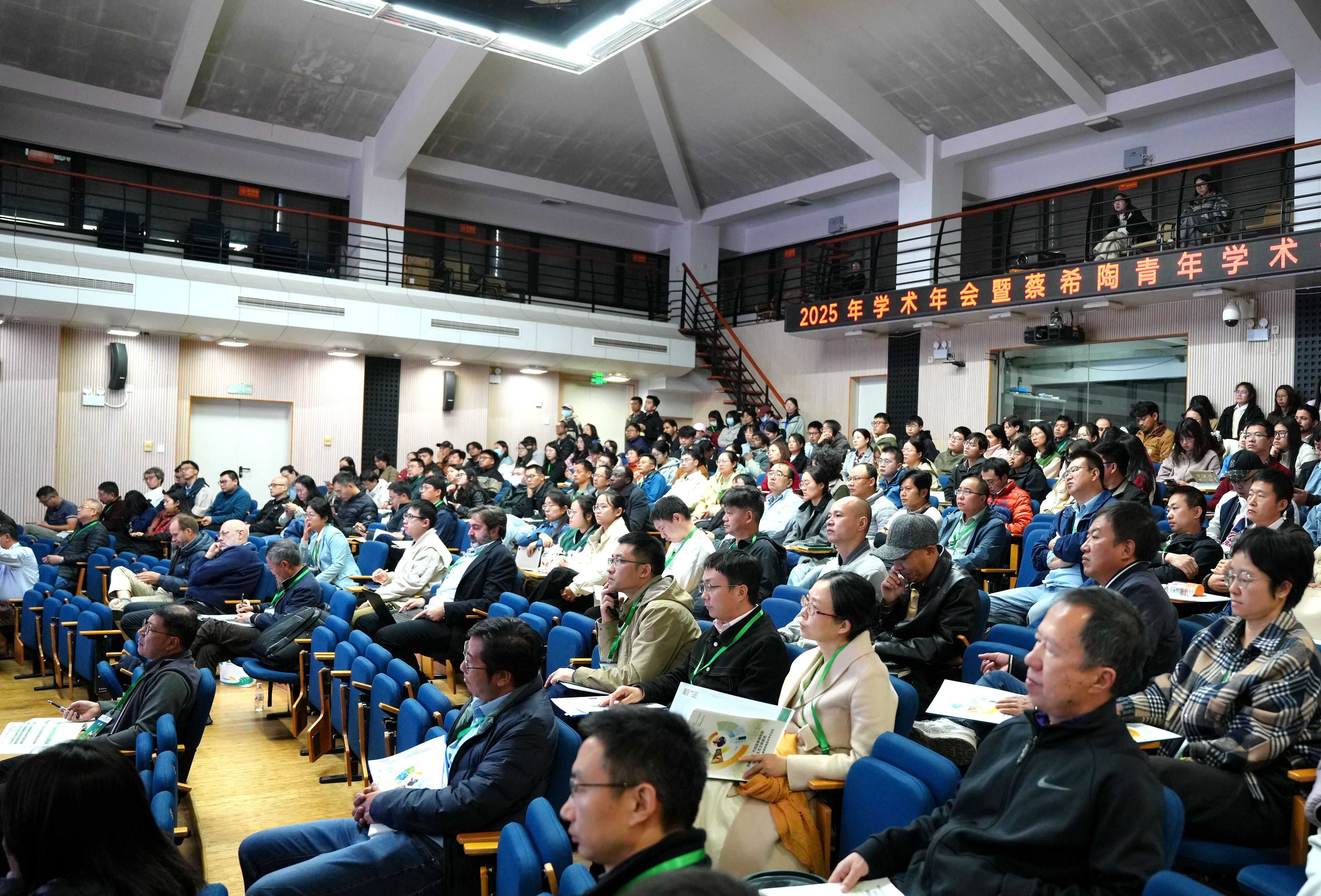
The annual academic meeting 2025.
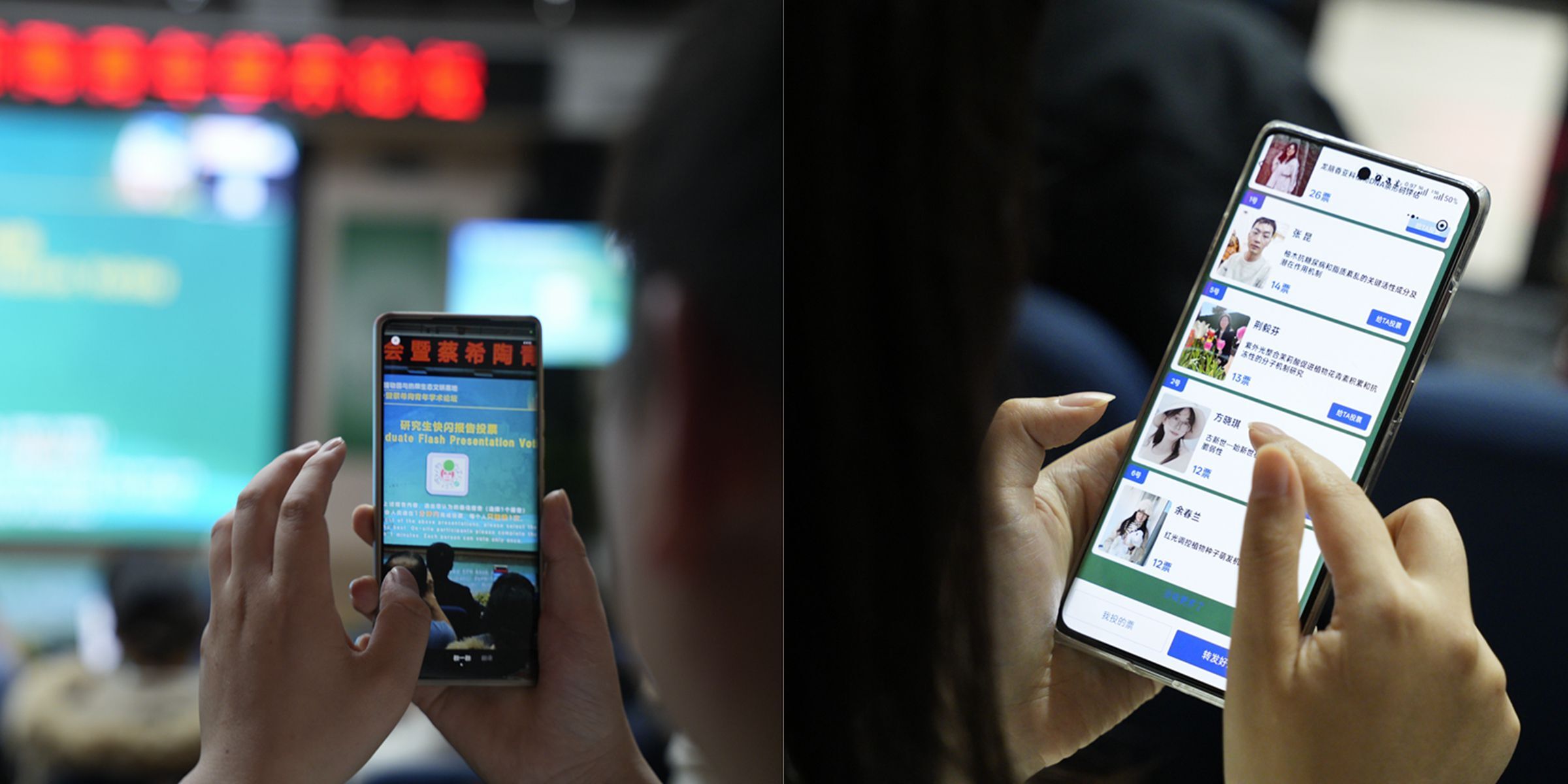
Flash talk session.
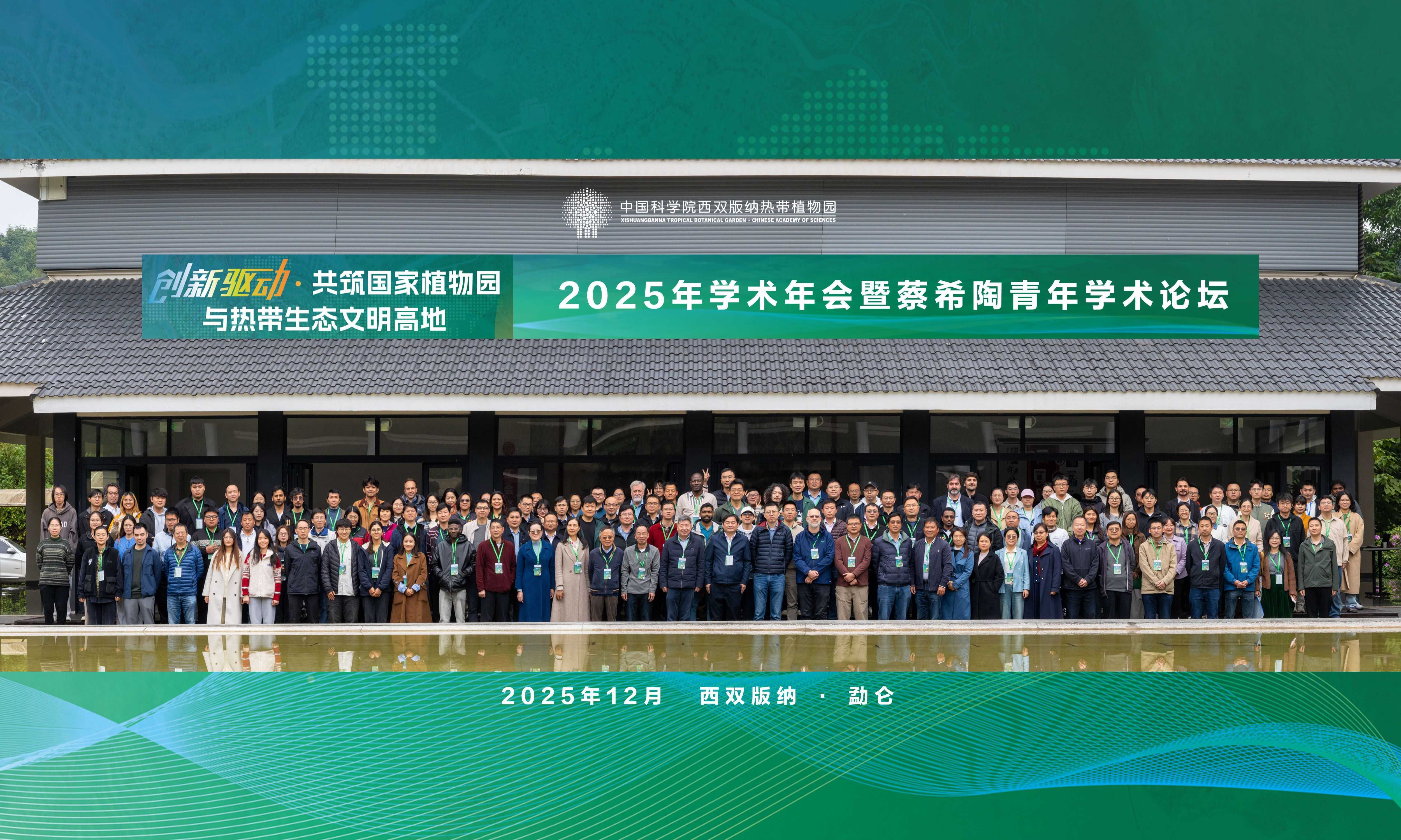
Participants pose a group photo.


