-
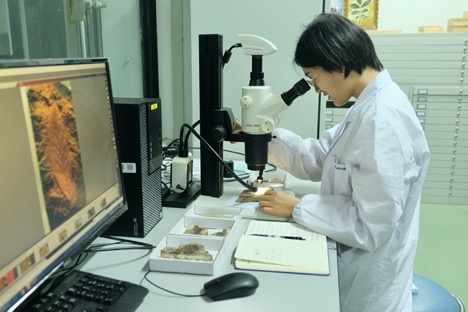
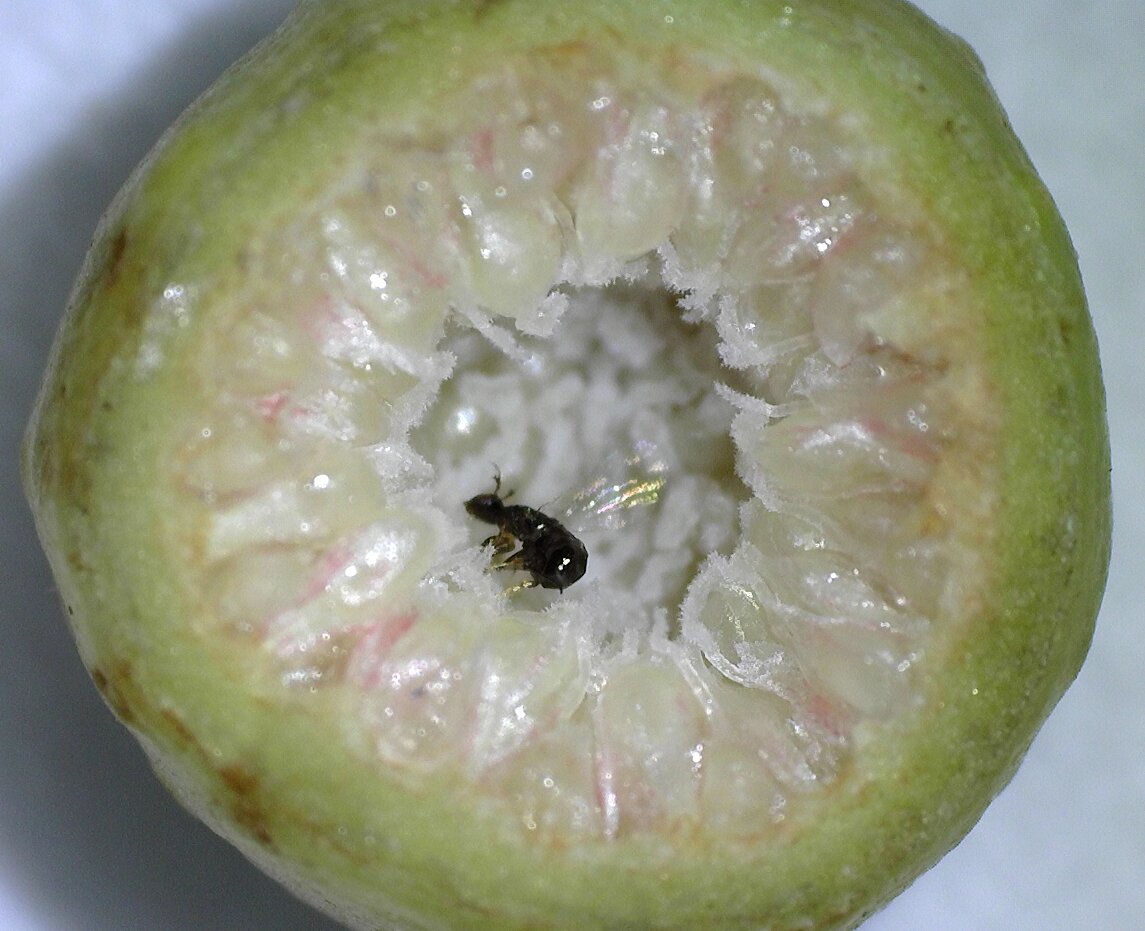
Effective “host sanctions” make fig wasp cheating rareIn a new study published in PNAS, researchers from Xishuangbanna Tropical Botanical Garden (XTBG) of Chinese Academy of Sciences (CAS) and the Smithsonian Tropical Research Institute (STRI) in Panama discovered that the lack of sanctions in the local hosts promotes the loss of specialized morphologies and behaviors crucial for pollination and, thereby, the evolution of cheating in fig-wasp mutualism.Aug 05, 2021
-
Spanish expert's view on how to solve human-elephant conflictJul 02, 2021
-
Chinese government has done excellent job about wandering elephants: expertJose Ahimsa Campos Arceiz, a Spanish professor at the Xishuangbanna Tropical Botanical Garden of the Chinese Academy of Sciences, spoke highly of the Chinese government's efforts in handling the elephants.Jul 02, 2021

-
XTBG Ph.D student’s research commented in New PhytologistJun 29, 2021
-
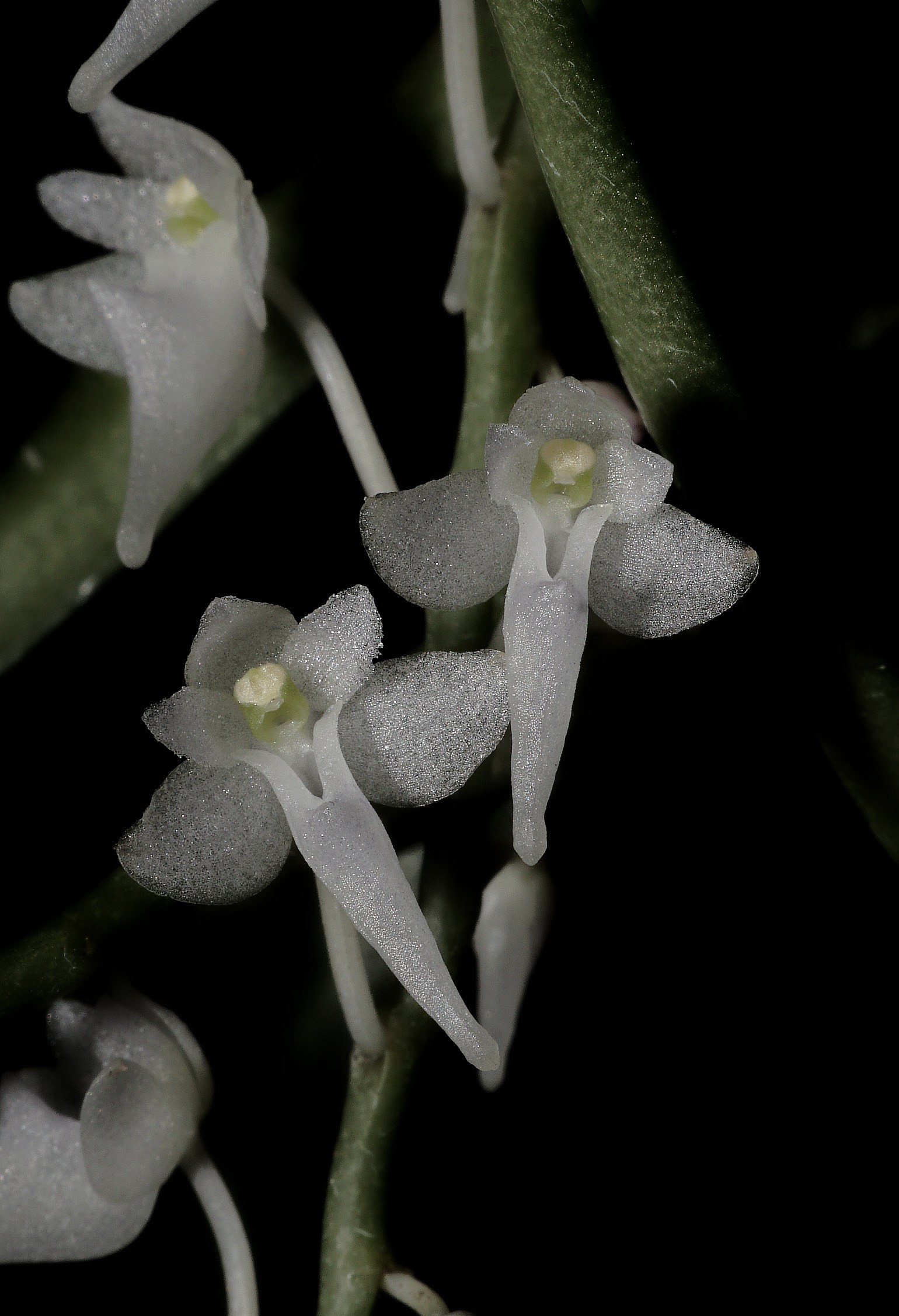
New epiphytic orchid species found in IndonesiaTuberolabium camperenik is a monopodial, epiphytic herb. It differs from the three Indonesian Tuberolabium species (T. odoratissimum, T. erosulum and T. pendulum) in having crystal white flowers and a long, very narrow spur which is not thickened on the front wall around the epichile.Jun 15, 2021
-
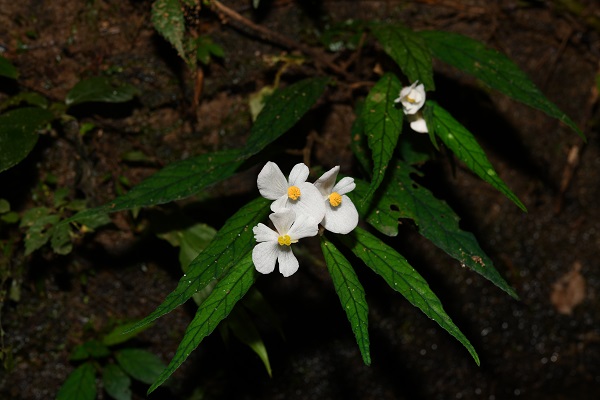
Seven new species of Begonia found in MyanmarThe researchers conducted morphological investigations based on living plants observation in the field, literature, herbarium specimens, and cultivated plants. After all the collected materials are carefully reviewed and examined, the researchers confirmed that seven Begonia species are new to science and got them published in Taiwania.May 12, 2021
-
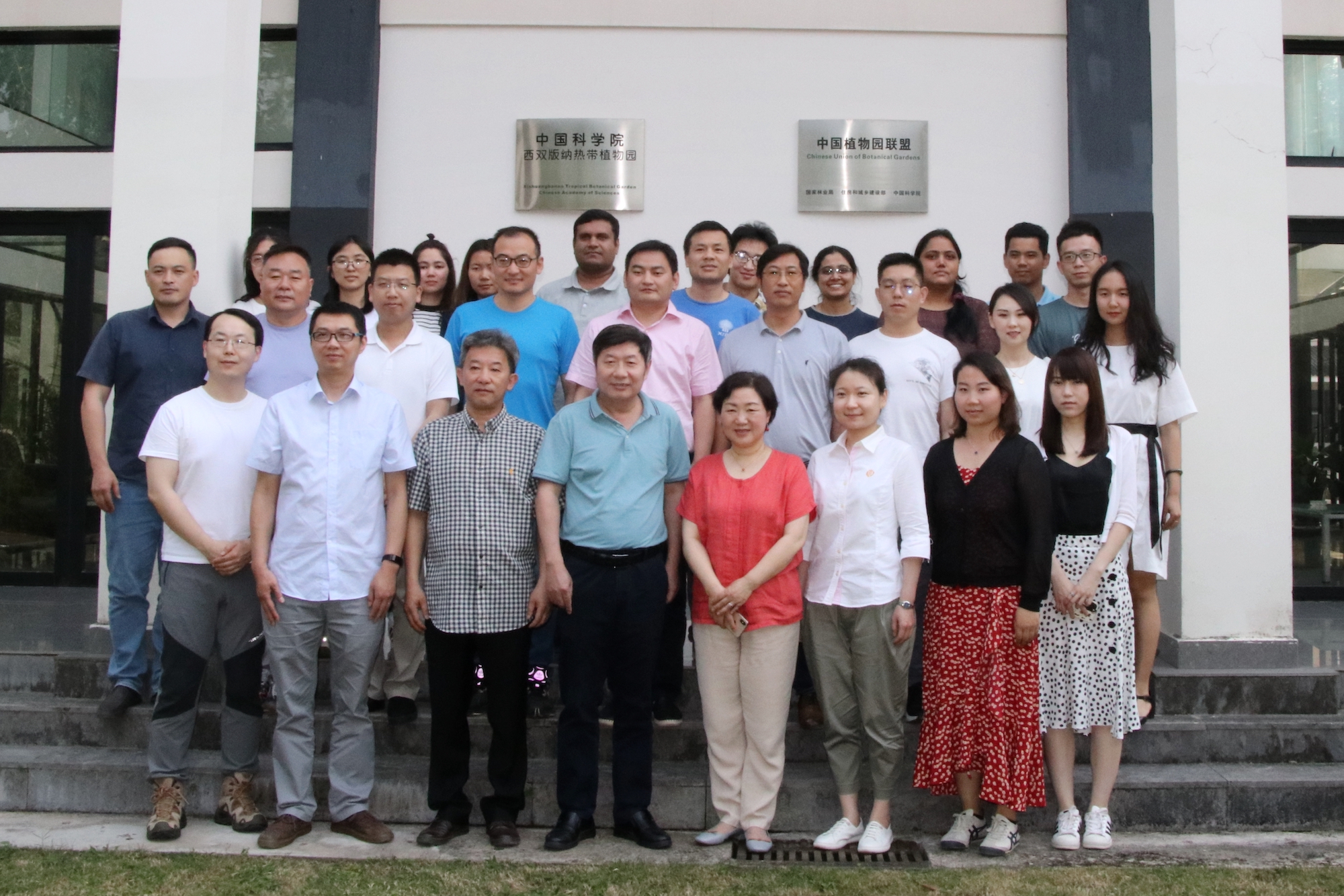
UNEP-NSFC collaborative research project kicks offApr 23, 2021
-
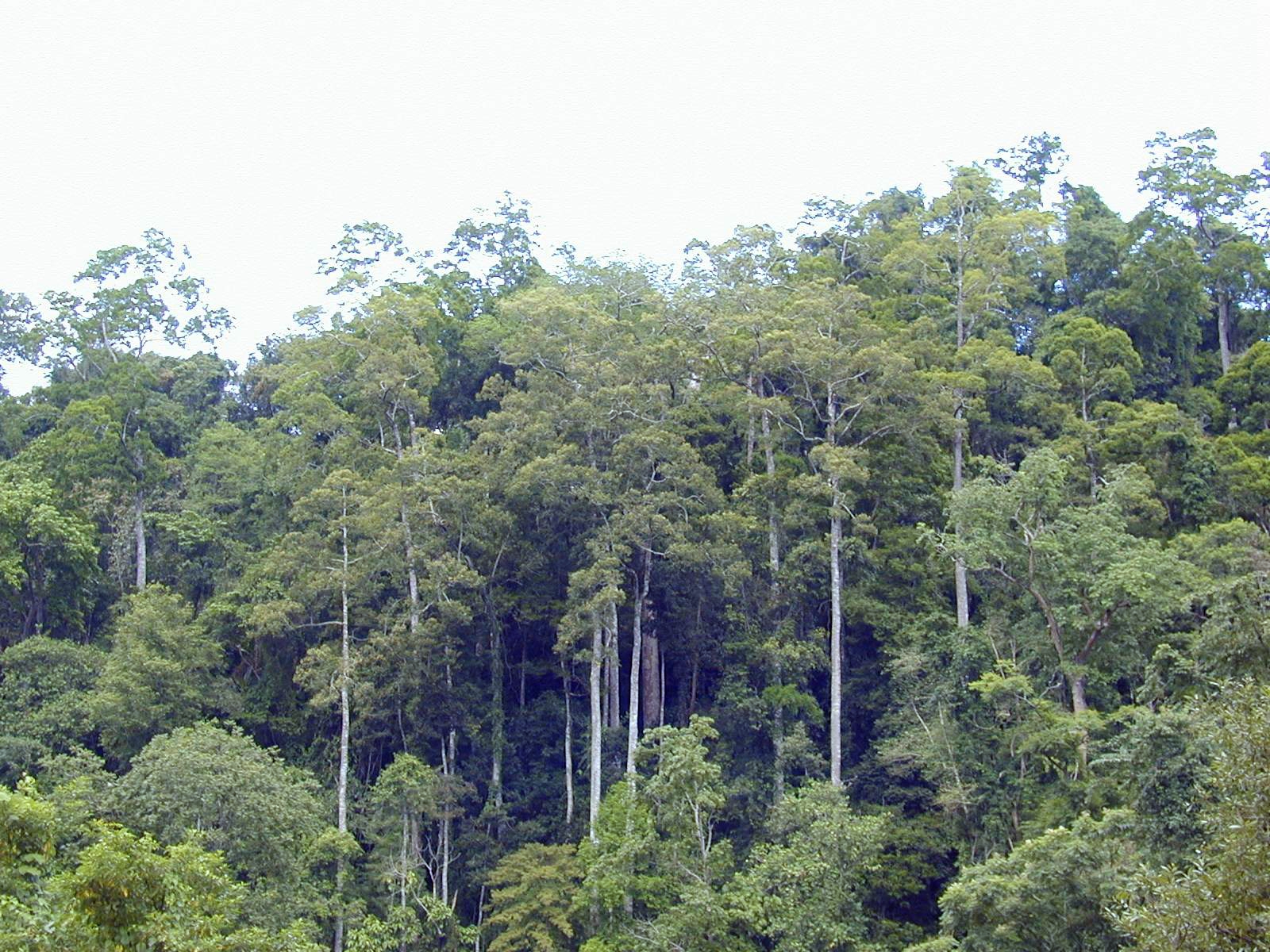
Collaborative transboundary conservation enforcement is urgently neededIn a study published in Conservation Biology, researchers from Xishuangbanna Tropical Botanical Garden (XTBG) tried to identify priority transboundary areas for conservation and restoration, by integrating species distribution patterns and recent land-use change, with an emphasis on the change of landscape connectivity for natural forest in the transboundary region.Apr 13, 2021
-
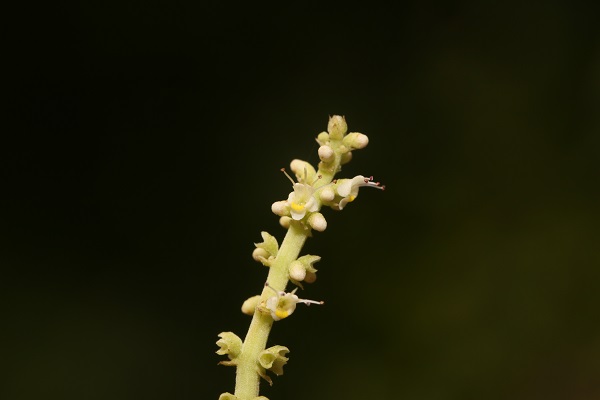
New species of mint family found in northern MyanmarDuring fieldwork in 2018, researchers from Xishuangbanna Tropical Botanical Garden (XTBG) collected an unknown Premna woody climber from Putao District of Kachin State. After careful morphological studies and literature review, the researchers confirmed that the species is new to science. They named it as Premna caridantha to indicate that the flower of the species superficially looks like a shrimp; especially its incurved corolla tube resembles the back of a shrimp. The new species was published in Phytotaxa.Mar 17, 2021
-
Seeing biodiversity from a Chinese perspectiveMar 11, 2021

-
Scientists investigate the mysterious origin of flowering plantsFor their investigation, the researchers used complex modeling to analyze a large global database of fossil occurrences. The database was compiled by Dr. Yaowu Xing and his team at the Xishuangbanna Tropical Botanical Garden based on more than 700 publications.Feb 01, 2021

-
Resolving abominable mysteriesThe Earth and its biodiversity are abound with abominable mysteries. Darwin long pondered the evolution of flowering plants and interpreted the fossil record to suggest that plants evolved suddenly and with great diversity in the Cretaceous (ca. 130-100 Ma). Many of us working in evolutionary biology have been stumped by our results that show differing ages of origin and clade divergences when based on rocks or clocks. In my own work, I have asked how are ancient rainforests only represented in more recent times in the fossil record? Why are there so few fossils of orchids and bromeliads?Jan 29, 2021