-
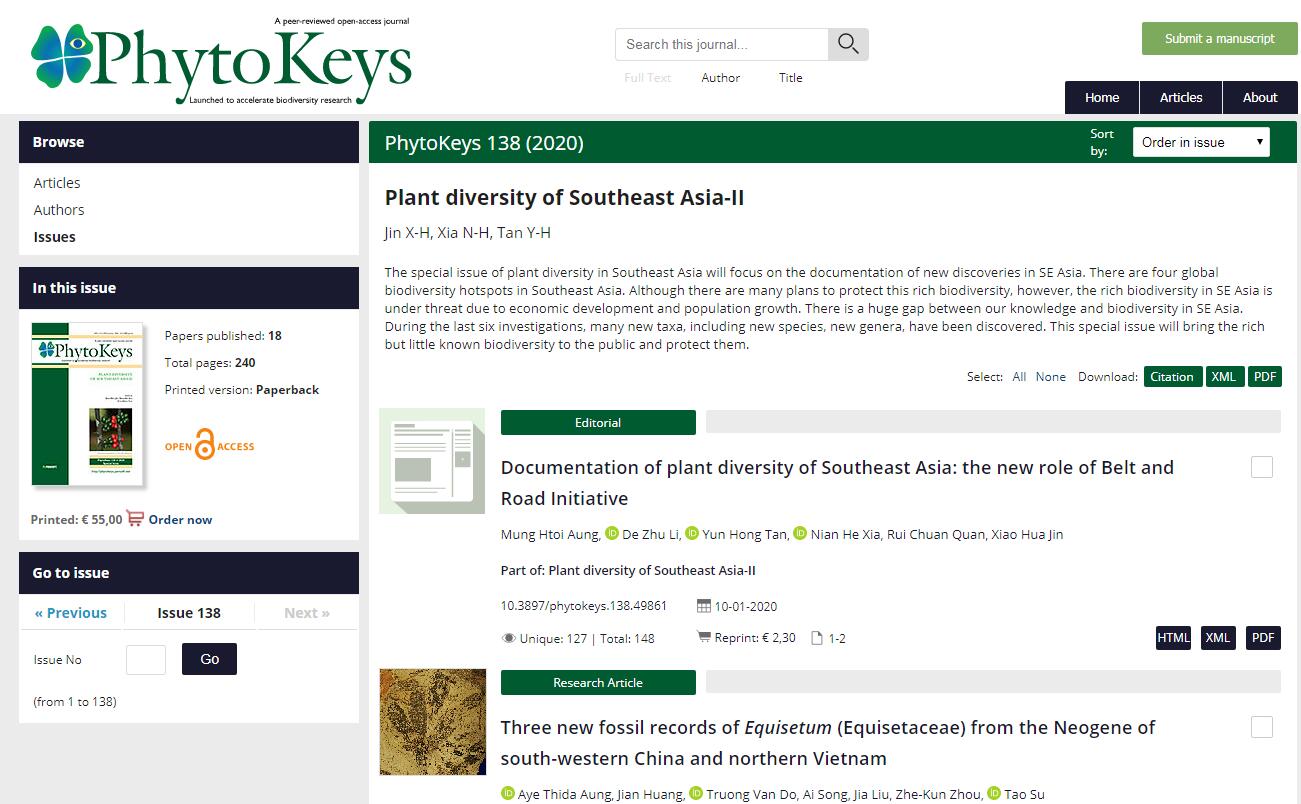
Study provides insight into male fertility control in legume plantsIn a latest study published inNew Phytologist, researchers from Xishuangbanna Tropical Botanical Garden (XTBG) have dissected the anther development of M. truncatula in detail and divided the process into 14 stages. They combined cellular, molecular, biochemical and evolutionary analyses to investigate the male fertility control in Medicago truncatulaJul 03, 2020
-
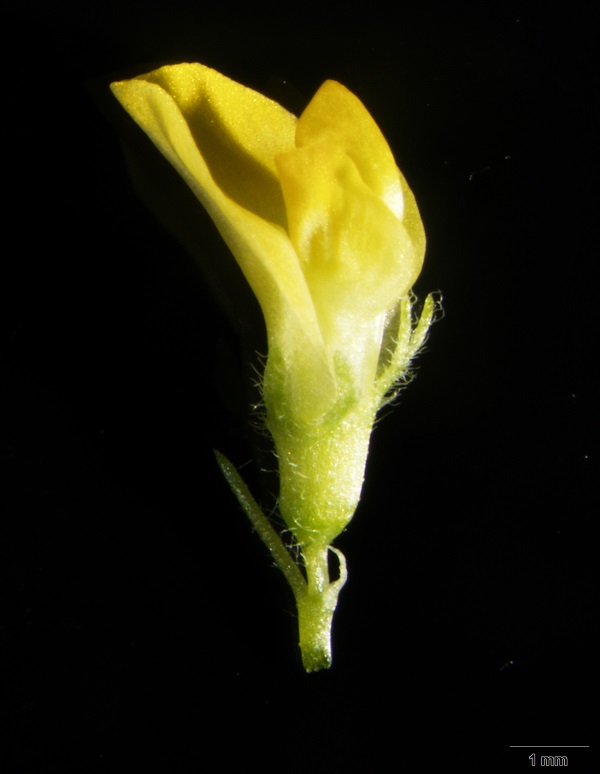
Phylogenetic analysis confirms the existence of five goral speciesResearchers have recognized one to seven species of goral gorals (Naemorhedus spp., Caprinae, Bovidae), small goat antelopes. However, the phylogenetics remains unclear because of limited genetic data. There was no molecular evidence from northern Myanmar until recently, when researchers from Southeast Asia Biodiversity Research Institute (SEABRI) of the Chinese Academy of Sciences (CAS) obtained eight molecular samples during several expeditionsJun 23, 2020
-
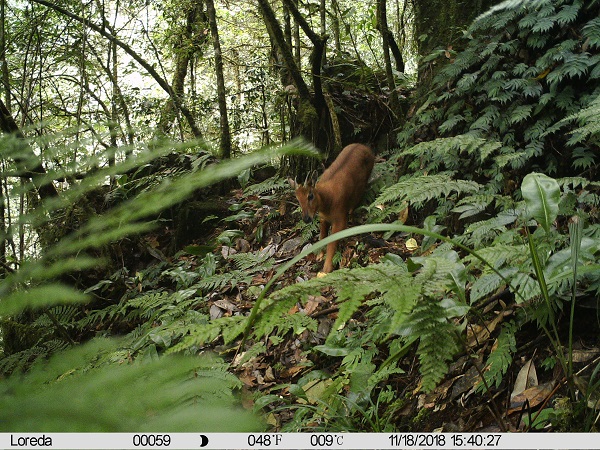
Environmental filtering structures the functional strategies of bryophytes in cloud forestIn a study published in American Journal of Botany, researchers from Xishuangbanna Tropical Botanical Garden (XTBG) found morphological and photosynthetic functional trait differences in bryophytes distributed along a vertical microhabitat gradient in the subtropical montane cloud forest.Jun 01, 2020
-
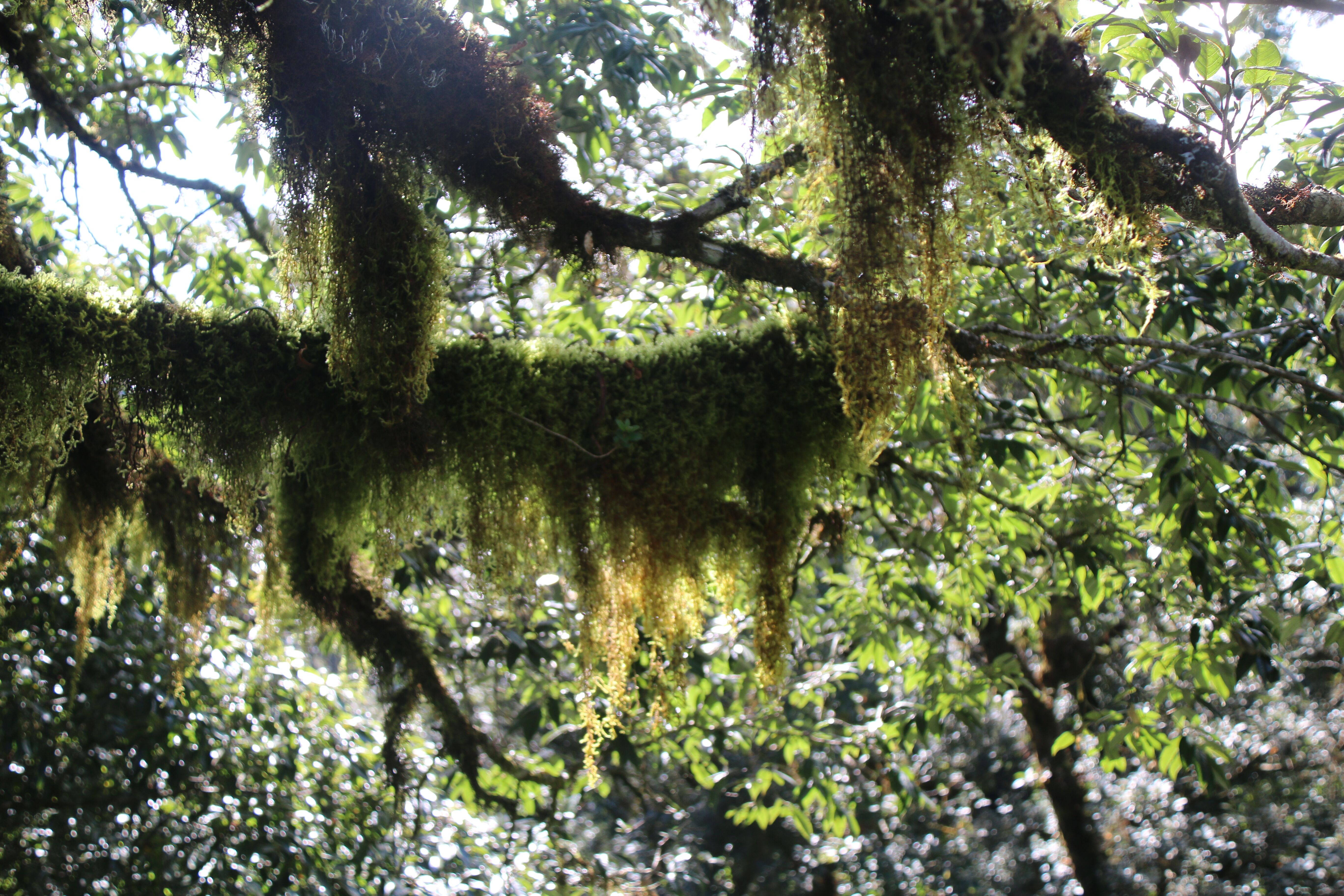
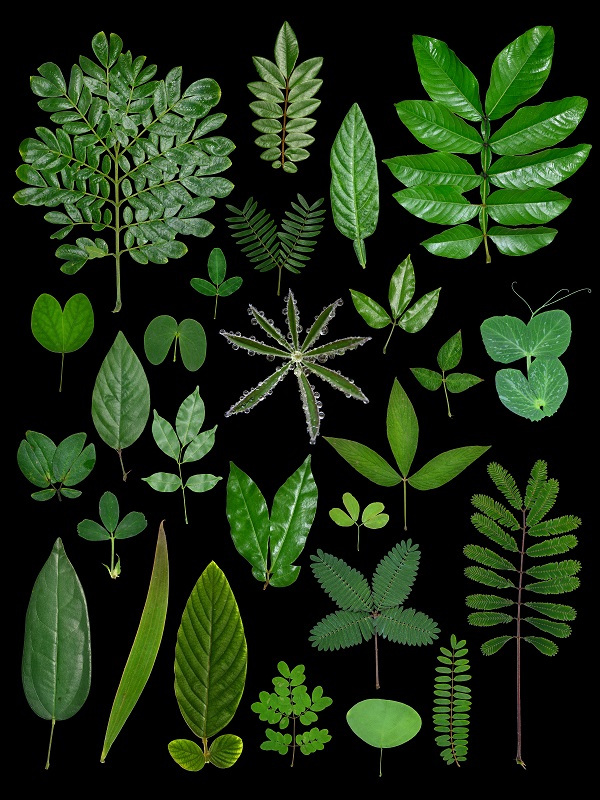
Study reveals a framework for trifoliate leaf-pattern formation in leguminous plantsIn a study published in the latest issue of Nature Plants, researchers from Xishuangbanna Tropical Botanical Garden (XTBG) show that the trifoliate leaf pattern of the model leguminous plant Medicago truncatula is controlled by the BEL1-like homeodomain protein PINNATE-LIKE PENTAFOLIATA1 (PINNA1).May 12, 2020
-
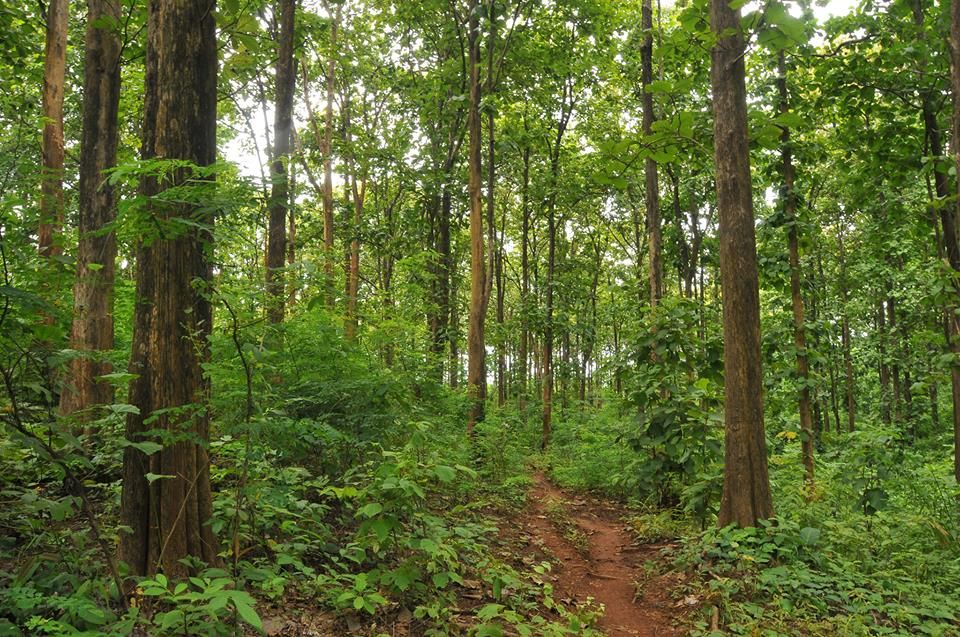
Researchers reconstruct drought variability from teak tree rings in southern MyanmarIn a study published in Geophysical Research Letters, researchers from Xishuangbanna Tropical Botanical Garden (XTBG) extended the spatial coverage of high-resolution regional climate proxies in southern Myanmar by producing a new drought reconstruction from a new location.Apr 27, 2020
-
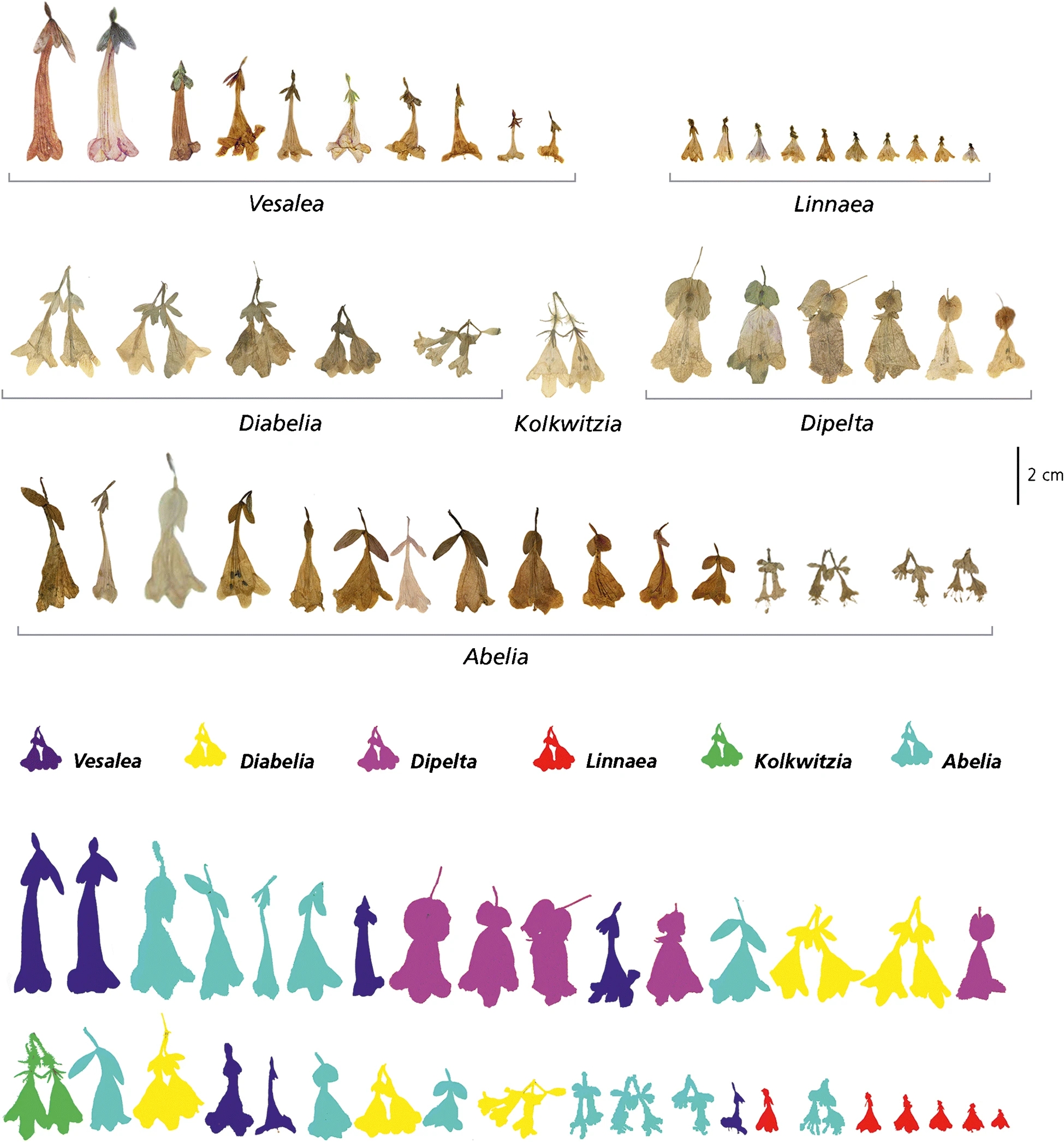
XTBG researcher presents a monograph of LinnaeeaeIn a study published in Kew Bulletin, researchers from Xishuangbanna Tropical Botanical Garden (XTBG) and Kew Garden present a detailed monograph of tribe Linnaeeae that includes descriptions, identification keys, botanical plates with line drawings and photographs, distribution maps, morphometric analysis of key characters, and discussion on evolution, cultivation and conservation.Apr 20, 2020
-
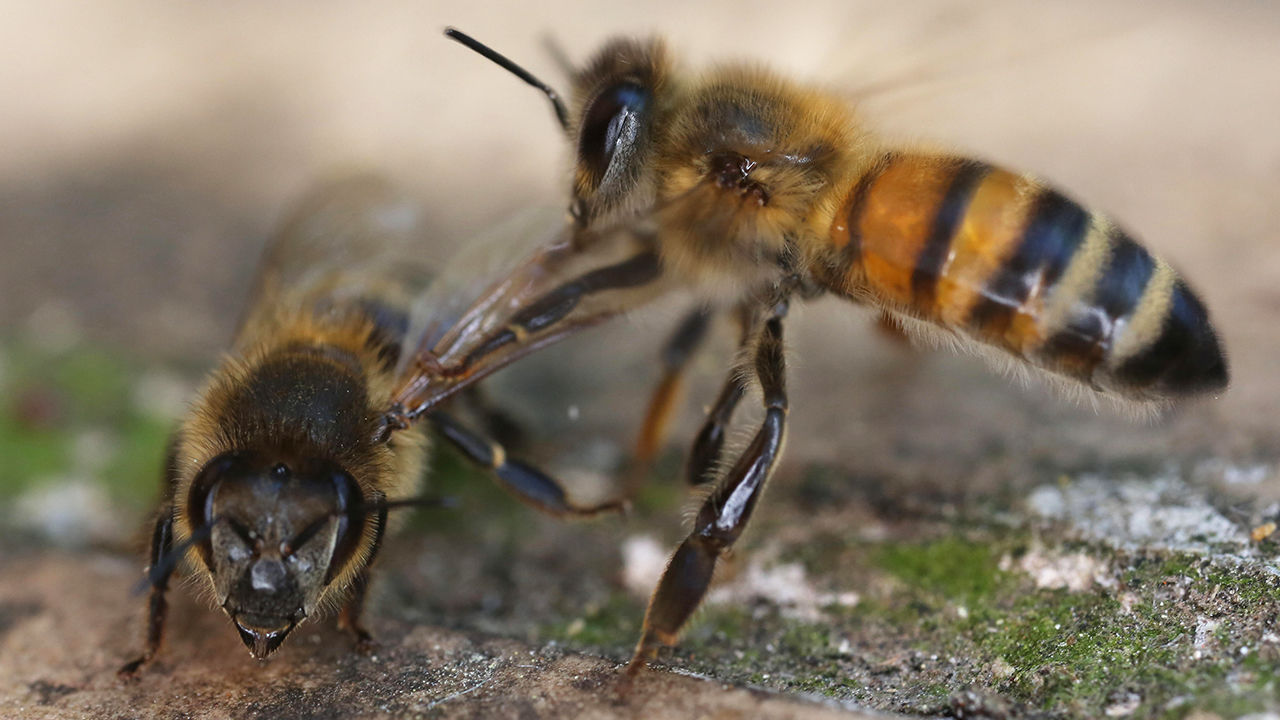
How ‘undertaker’ bees recognize dead comradesWen Ping, an ecologist at the Chinese Academy of Sciences’s Xishuangbanna Tropical Botanical Garden, wondered whether a specific type of scent molecule might help undertaker bees find their fallen hive mates. Ants, bees, and other insects are covered in compounds called cuticular hydrocarbons (CHCs), which compose part of the waxy coating on their cuticles (the shiny parts of their exoskeletons) and help prevent them from drying out. While the insects are alive, these molecules are continually released into the air and are used to recognize fellow hive members.Mar 23, 2020
-
XTBG PhD Students’ research work featured in national television of Bangladesh in the eve of world wildlife day 2020Mar 05, 2020

-
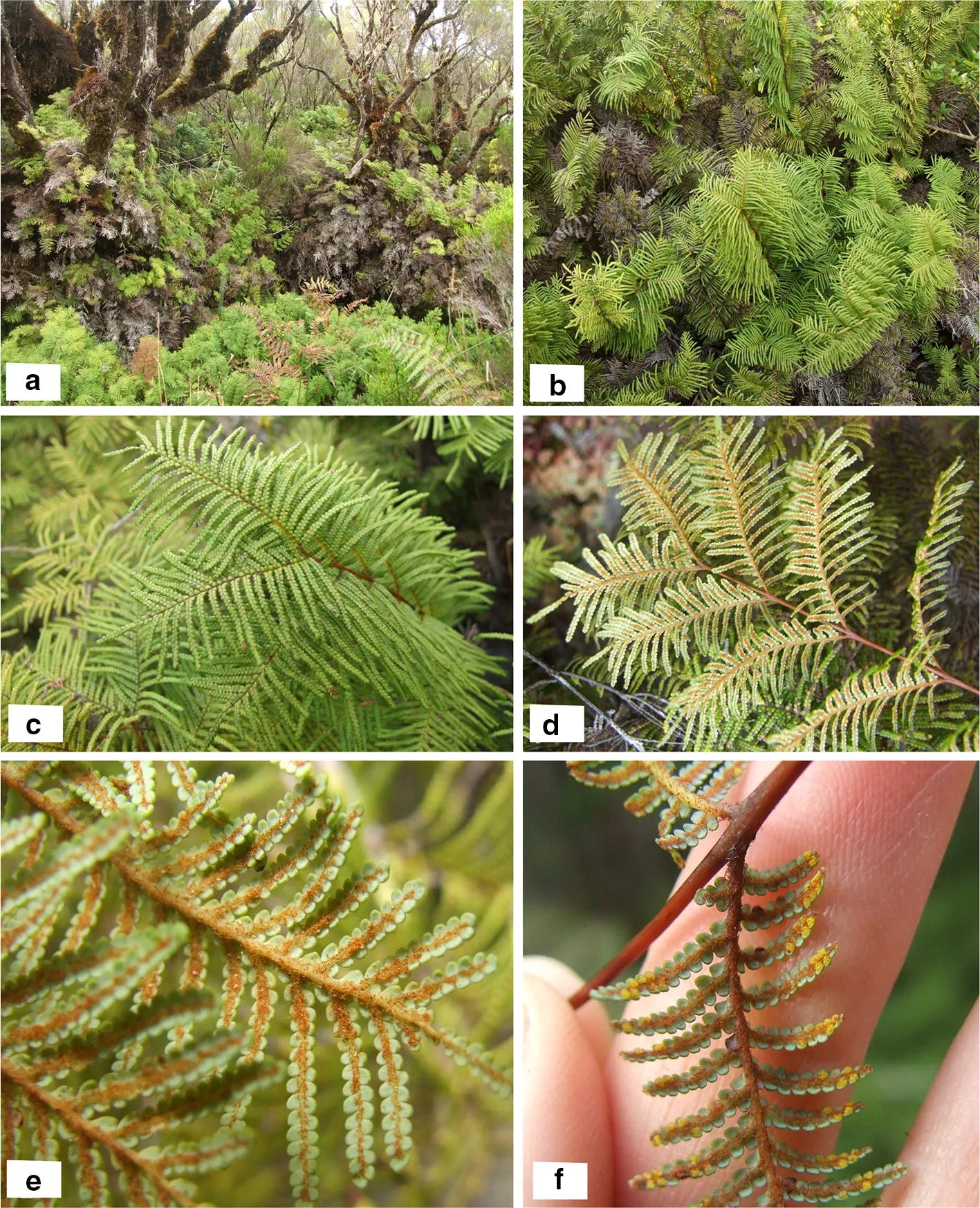
A new genus of forking fern family reportedstudy published in Plant Systematics and Evolution, researchers from Xishuangbanna Tropical Botanical Garden (XTBG) reported a new genus Rouxopteris, with Gleichenia boryi as its type.Mar 03, 2020
-
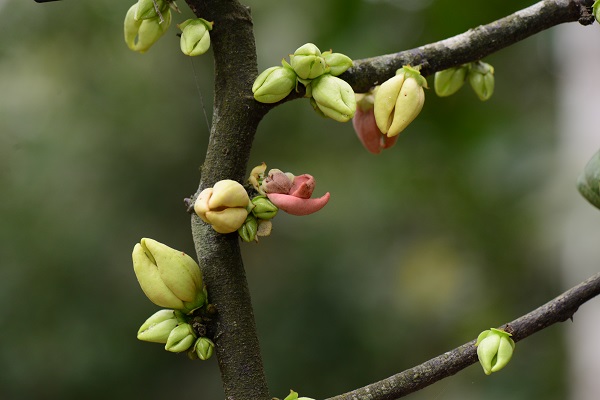
A new species of Goniothalamus reported from Lao PDRBy observing the flowering material of Annonaceae cultivated in the living collections of Xishuangbanna Tropical Botanical Garden (XTBG) for years, the researchers found an unknown species, which is very distinctive and belongs to the genus Goniothalamus. The records showed that the accession was originally collected in 2002, from Lao PDR.Jan 19, 2020
-
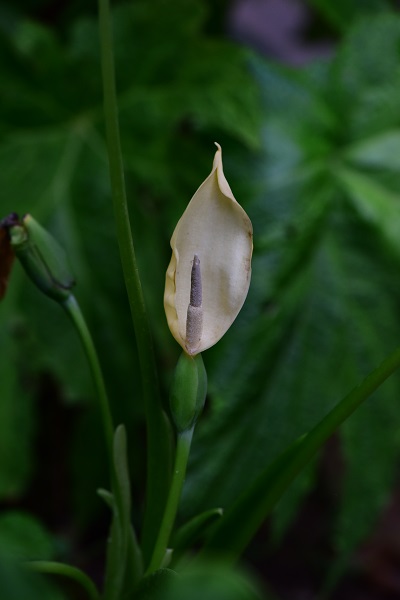
A new species of Araceae reported from MyanmarDuring an expedition to Kachin in April 2016, researchers from Xishaungbanna Tropical Botanical Garden (XTBG) encountered two populations of an unusual Colocasia growing along the roadside in the understorey of a mountain rain forest. After consulting a large amount of literature and having careful morphological studies, the researchers conformed that the species is new to science. They named it as Colocasia kachinensis to refer to the holotype region, Kachin State, Myanmar and got it published in PhytoKeys.Jan 15, 2020
-
Special issue of PhytoKeys represents plant diversity in Southeast AsiaJan 13, 2020