-
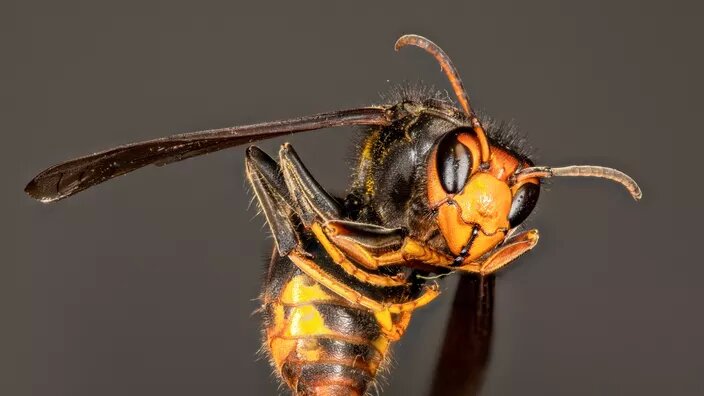
Asian hornet: a discovery gives hope for a possible trapAs part of a Franco-Chinese partnership, “scientists have identified the sex pheromone of the Asian hornet and tested it as bait in China and France.They thus showed that the pheromone bait could attract many males during the species' reproduction period (from September to November) and thus keep them away from the future queens at the origin of new colonies, "explains a press release from the University of Tours.Feb 10, 2022
-
China seeks to develop its own blades for a wind industry empire worth $60 billionJan 20, 2022
-
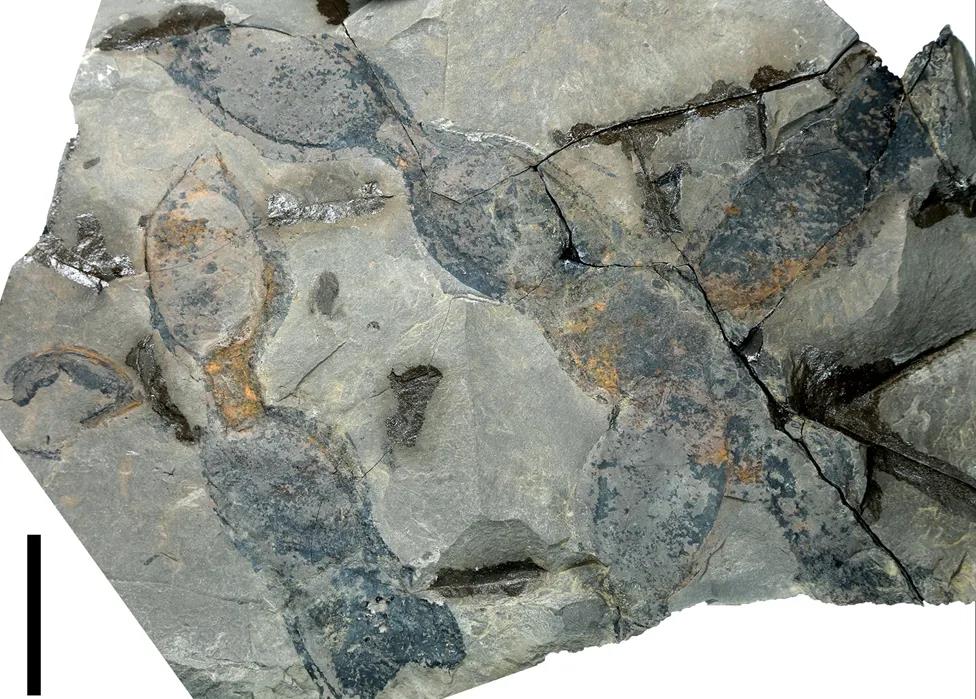
Researchers discover fossil of Mucuna genus dating back 10 mln years in northern VietnamChinese and Vietnamese researchers have discovered Mucuna fossil pods dating back approximately 10 million years in northern Vietnam, according to a recent research article published in the Review of Palaeobotany and Palynology.Jan 17, 2022
-
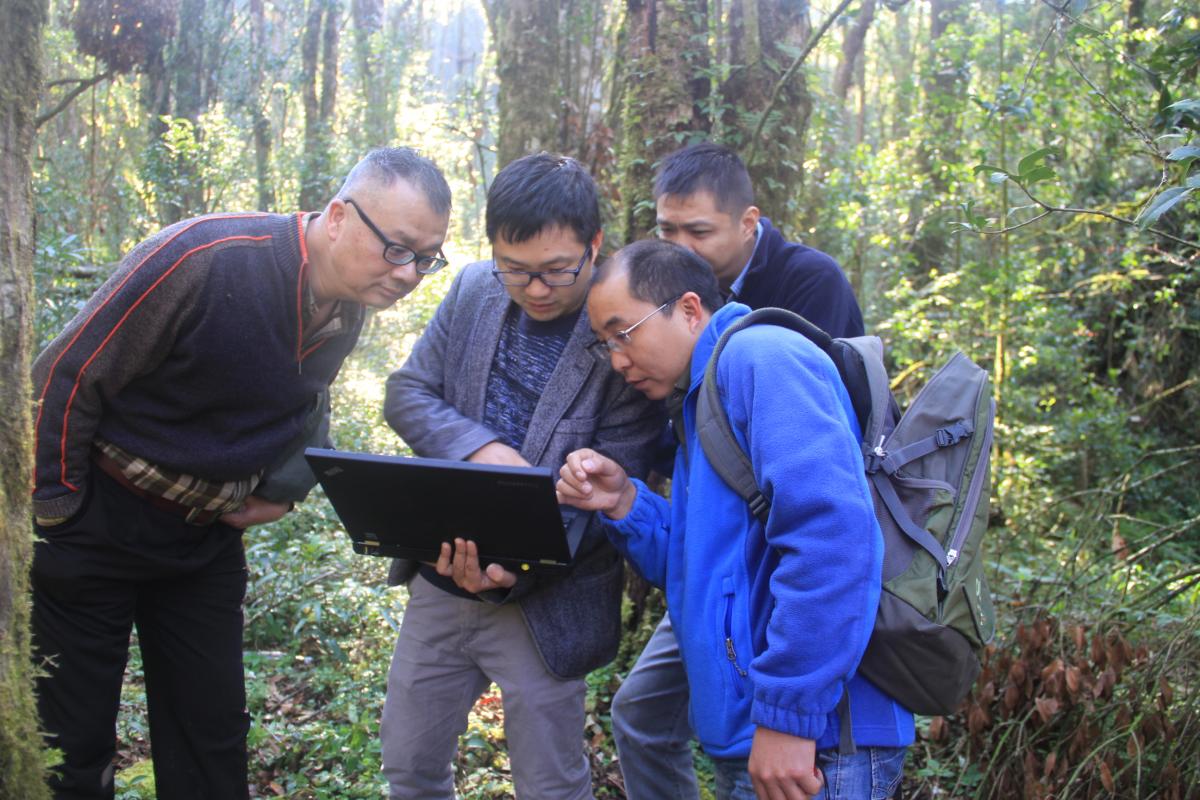
Spotlight Series: Cao Min & the Gradients of Yunnan ProvinceCao Min is a Professor at Xishuangbanna Tropical Botanical Garden (XTBG), Chinese Academy of Sciences (CAS). He is also PI of two ForestGEO plots in China: Xishuangbanna and Ailaoshan. He decided to set up a 1-ha plot in Xishuangbanna after visiting the 50-ha Pasoh FDP in Malaysia in the 1990s, and 13 years later, Min established a second plot in Xishuangbanna, this one covering an area of 20-ha and subscribing to ForestGEO’s census protocols. The Xishuangbanna plot is also a member of the Chinese Forest Biodiversity Network (CForBio). Collectively, Xishungbanna and Ailaoshan offer opportunities for methods training, MSc and PhD work, and postdoctoral research.Jan 11, 2022
-
Explainer: Exploring China's botanical garden systemEx-situ conservation enables wildlife conservationists to offer more targeted protection to critically endangered species, or species living outside the existing natural reserves, said Chen Jin, a researcher with the Xishuangbanna Tropical Botanical Garden of the Chinese Academy of Sciences.Jan 11, 2022

-
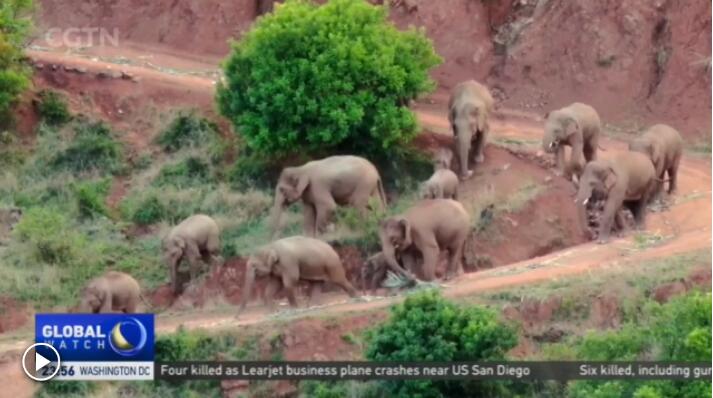
Returning home: A look back on the return of migrating elephants to their natural habitat in southwest China's YunnanAHIMSA CAMPOS-ARCEIZ Researcher, Xishuangbanna Tropical Botanical Garden, Chinese Academy of Sciences "We need to increase elephant habitat, particularly elephant habitat without much contact with people. In that sense, China is now planning a new national park. I think that's a very good thing."Dec 30, 2021
-
Fifth Luosuo River Forum for Science Education held onlineDec 10, 2021

-
The 13th AFEC-X completedDec 10, 2021

-
XTBG and Vanke Yunnan to jointly set rare plant conservation baseDec 10, 2021

-
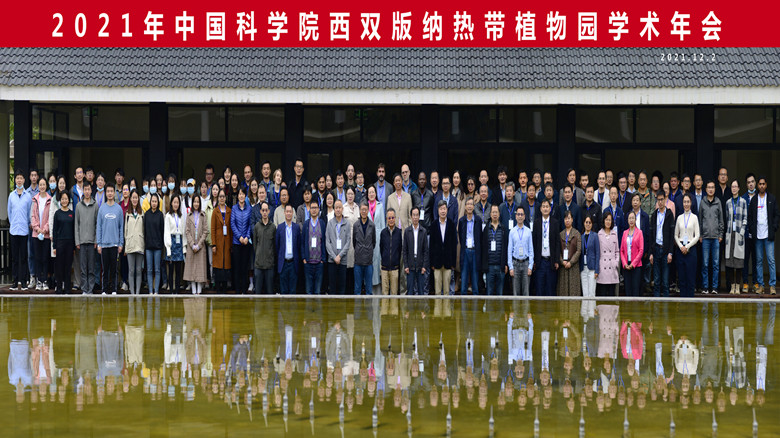
2021 Annual Conference of XTBGDec 06, 2021
-
How can forests help us combat climate change?Different forest types usually have different abilities to act as carbon sinks, said Zhang Yiping, a professor at Xishuangbanna Tropical Botanical Garden, Chinese Academy of Sciences. According to his research in southwest China's Yunnan Province, the forests in Yunnan were all carbon sinks. However, the forest carbon sink (net ecosystem productivity, NEP) of the Xishuangbanna tropical rainforest ecosystem amounted to 1.25 tonnes of carbon per hectare per year, while that of the Ailaoshan subtropical evergreen broad-leaved forest ecosystem was 7.02 tonnes of carbon per hectare per year.Nov 17, 2021

-
Globally Connected, Locally Engaged:6th XTBG Science Festival for the YouthNov 05, 2021