-
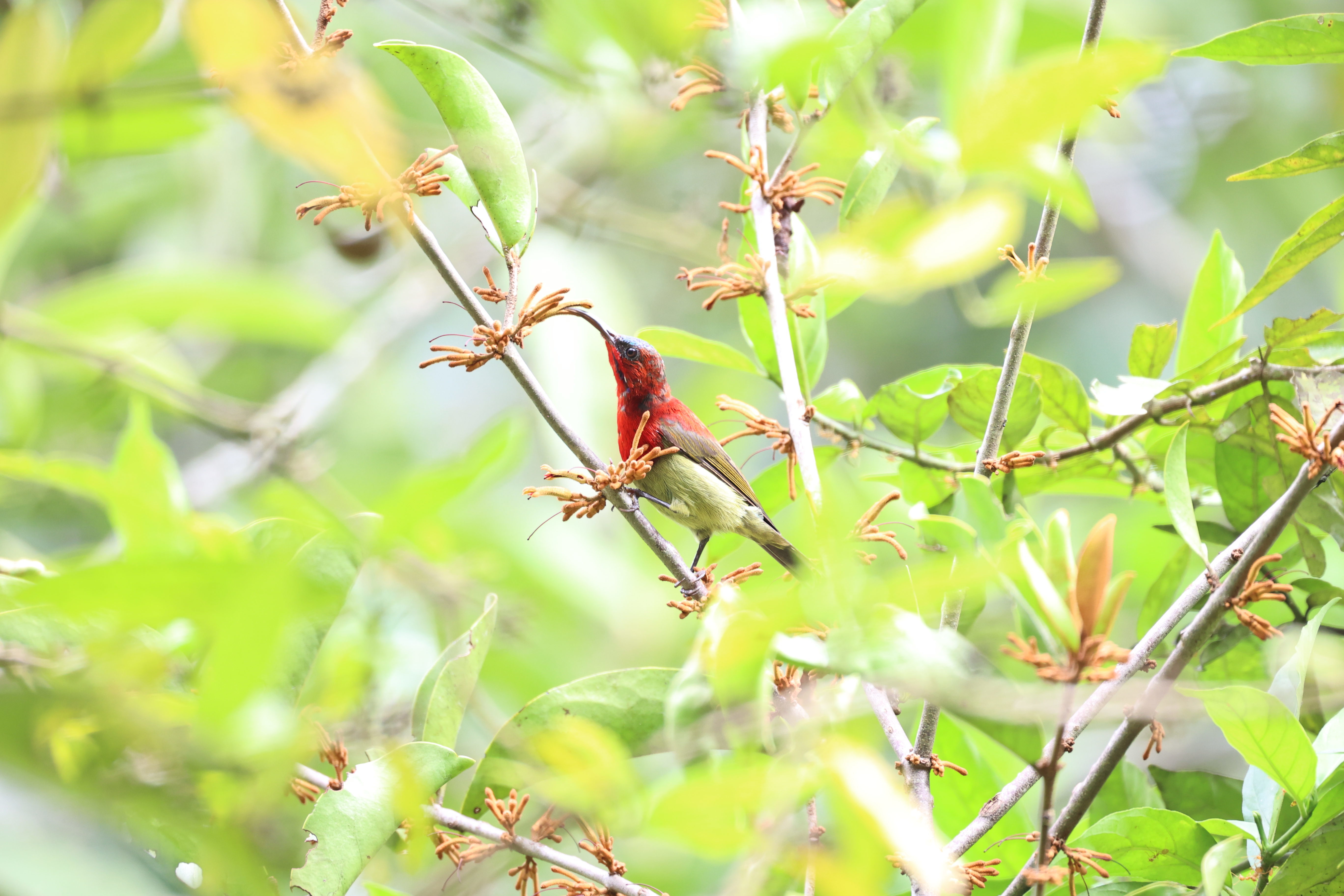
Host-generalist mistletoe exhibits high level of outcrossingIn a study published in Molecular Ecology, researchers from Xishuangbanna Tropical Botanical Garden (XTBG) tried to disentangle factors shaping outcrossing rate and genetic structure of different populations, by combining data on the spatial distribution, the behavior of pollinating birds, and the mating system.Oct 09, 2022
-
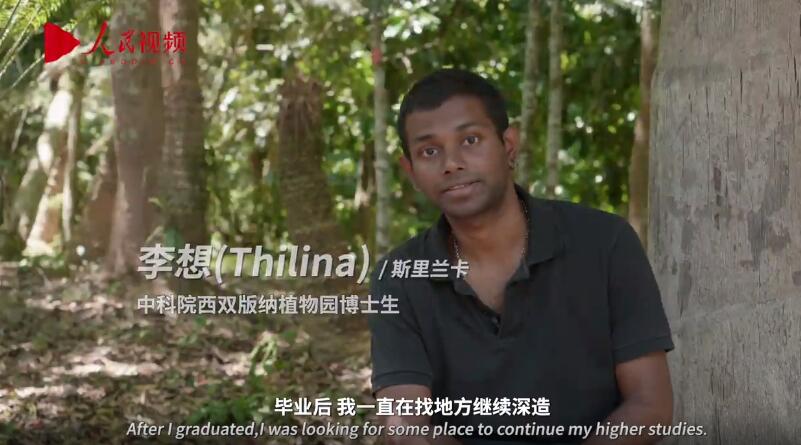
Sri Lankan student realizes his dream in ChinaThilina, a Sri Lankan student whose Chinese name is Li Xiang, came to China to pursue a doctorate degree at the Xishuangbanna Tropical Botanical Garden under the Chinese Academy of Sciences (CAS) in southwest China's Yunnan Province. Mainly studying beetles here, and enjoying the good scientific environment and climate, he said "China is my second hometown.”Sep 29, 2022
-
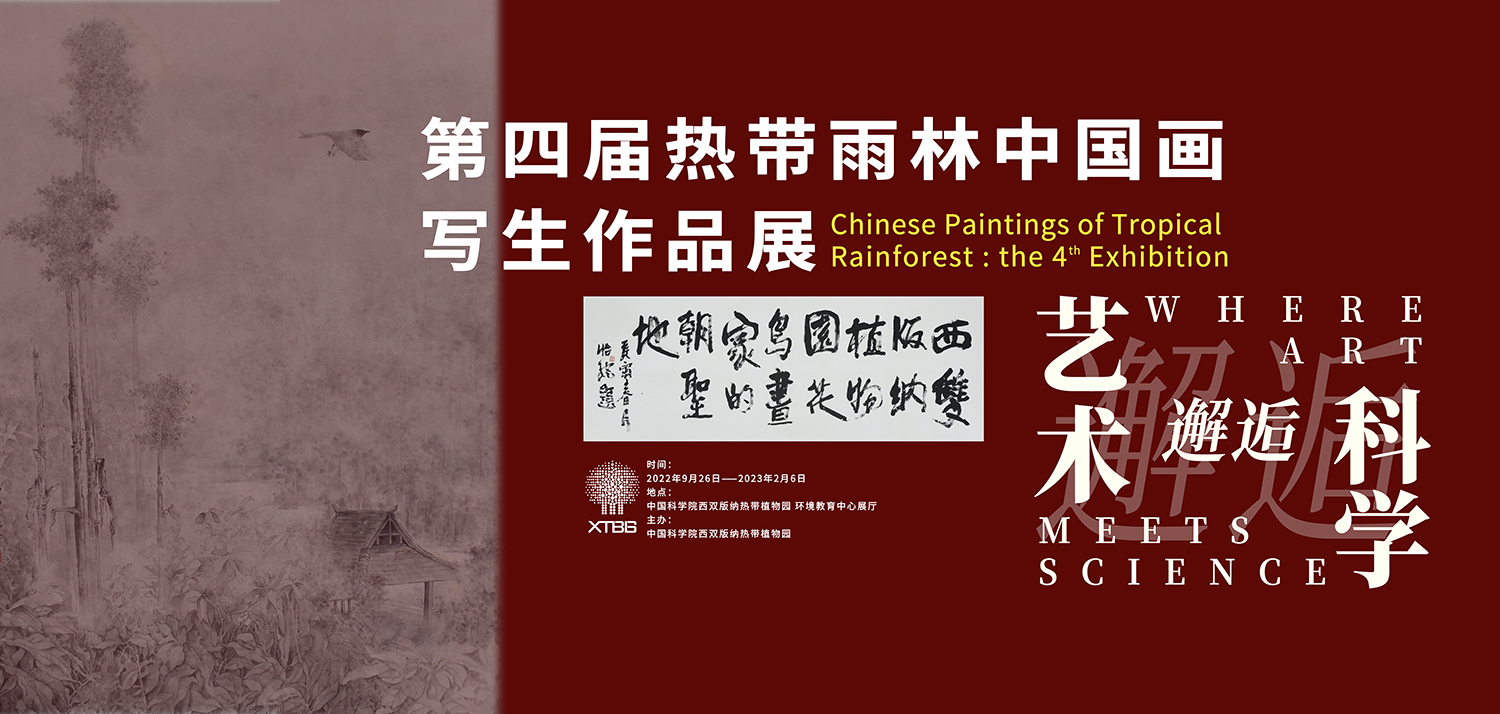
Chinese Paintings of Tropical Rainforest: the 4th ExhibitionSep 27, 2022
-
Zhang Ting wins CAS Excellent Doctoral Dissertation Award 2022Sep 05, 2022

-
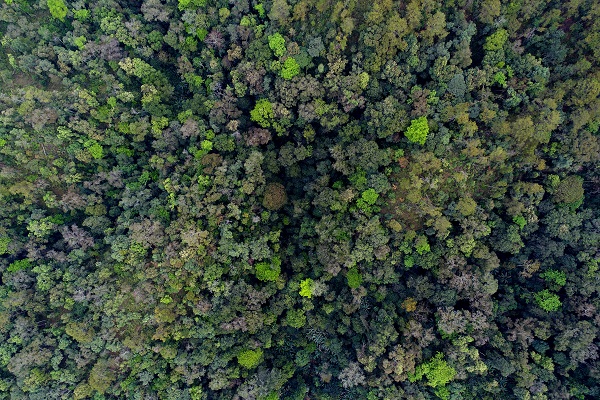
Study identifies key factors contributing to high local diversity of trees of Euphorbiaceae in XishuangbannaIn a study published in Journal of Ecology, researchers from Xishuangbanna Tropical Botanical Garden (XTBG) tried to identify the key axes of variation that contribute to the high local diversity of trees in a single plant family (Euphorbiaceae) in a local community.Aug 29, 2022
-
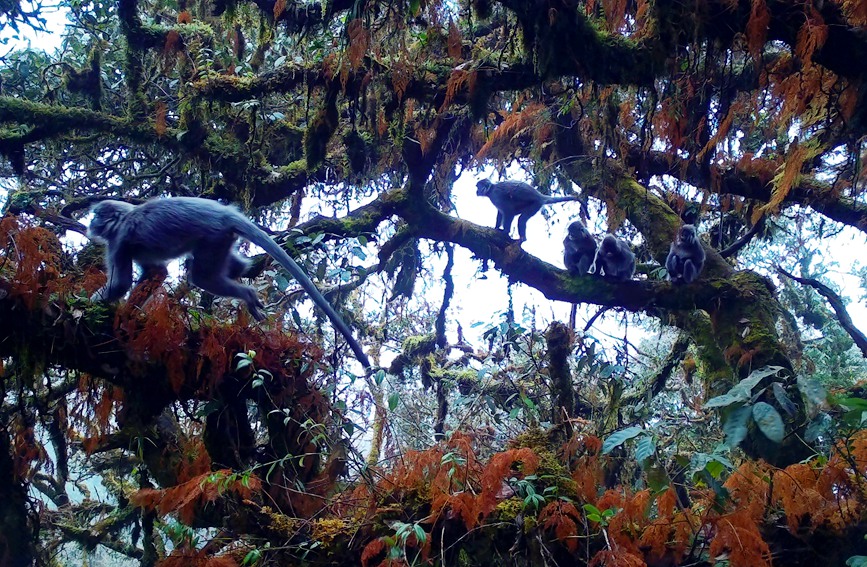
Two rare monkey species live in harmony atop one tree in SW China's YunnanIt is very rare for two groups of different species of monkeys to live without any conflict in the same tree when that tree is not in its fruiting stage, according to Deng Xiaobao, a professor-level senior engineer with the Xishuangbanna Tropical Botanical Garden under the Chinese Academy of Sciences (CAS).Aug 26, 2022
-
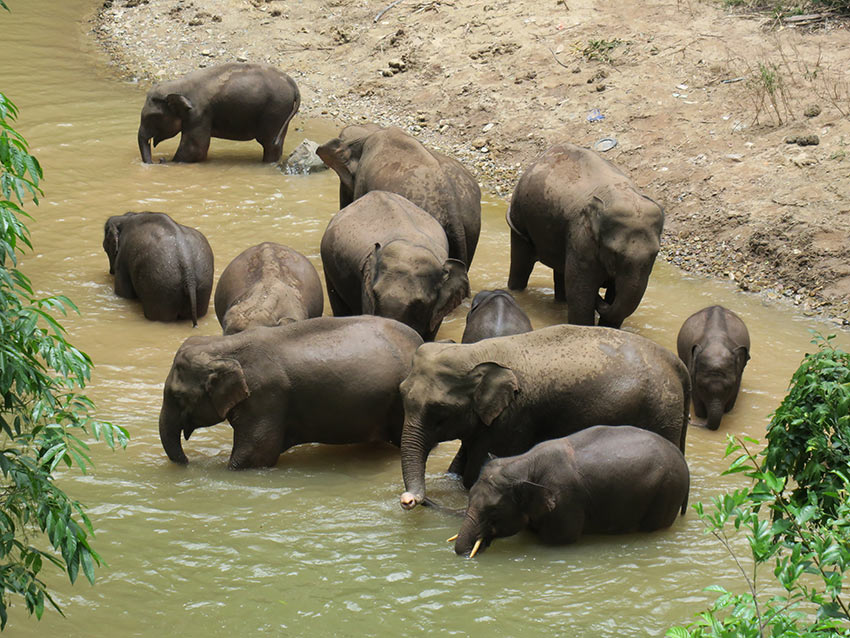
SW China's Yunnan takes various measures to protect wild Asian elephantsJose Ahimsa Campos Arceiz, a Spanish professor at the Xishuangbanna Tropical Botanical Garden of the Chinese Academy of Sciences, spoke highly of China’s efforts in handling the elephants. “China has done a very meaningful job in protecting wild elephants. The root cause of elephant-human conflicts is that human beings and elephants share similarities in ecology, which means there is competition between the two for land, food and water. Promoting coexistence between human beings and elephants is an important step China has to take in order to properly protect wild Asian elephants, and efforts are required to reduce the impacts of ecological competition on both human beings and elephants. This is a challenge for China’s efforts in wildlife protection. However, the country has continued walking in the right direction,” he said.Aug 17, 2022
-
XTBG Excellent University Students Summer Camp 2022 completedAug 15, 2022

-
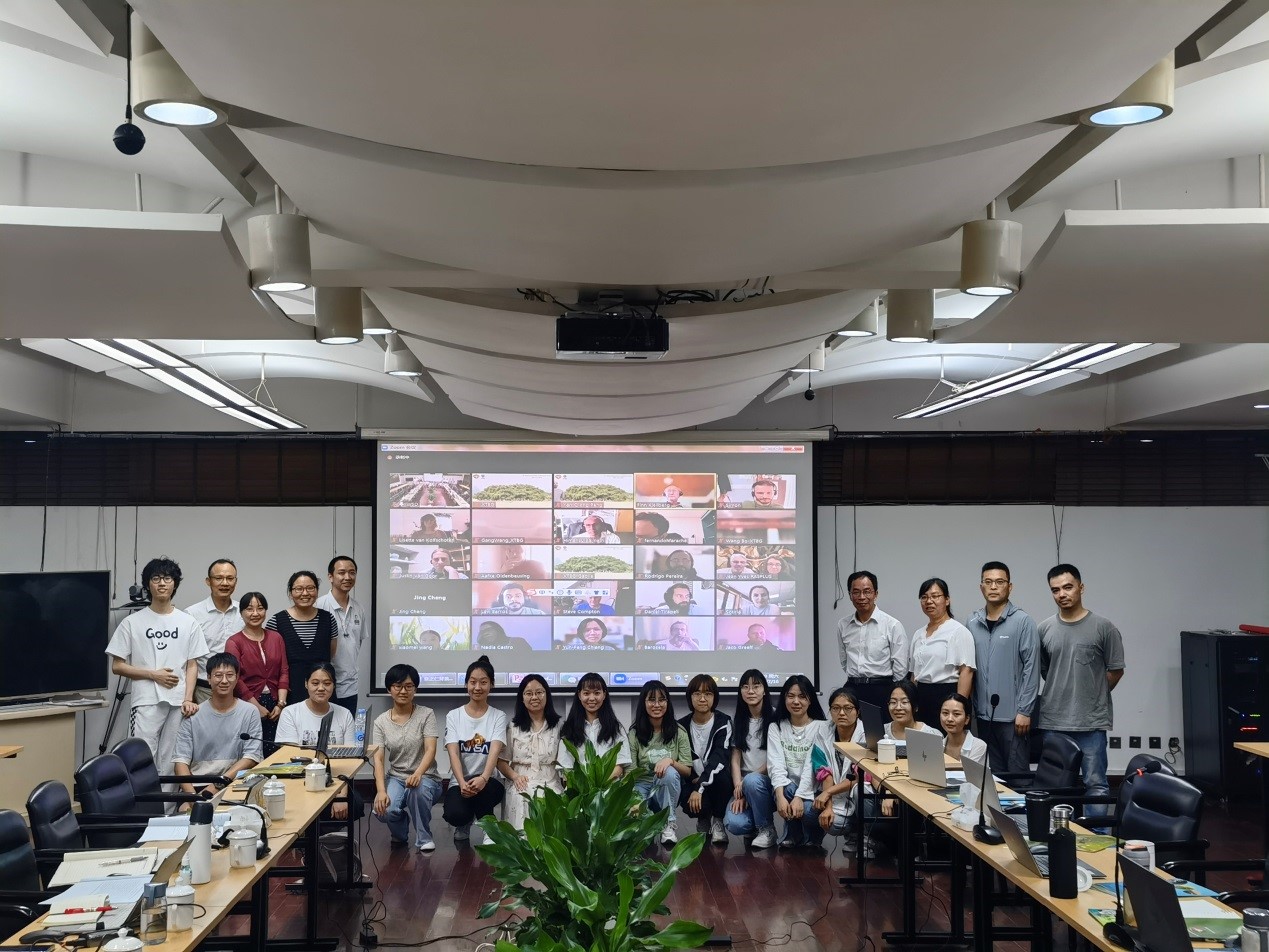
XTBG hosts 10th International Fig SymposiumAug 02, 2022
-
Big wave of blossom adorns botanic garden in SW ChinaXishuangbanna Tropical Botanic Garden in southwest China's Yunnan Province has welcomed another wave of flowering plants as summer unfolds.Jul 29, 2022
-
Dr. Xing Yaowu honored Youth Innovation Award of Wu Zhengyi AwardJul 27, 2022

-
Delegation of 10-country consulates visits XTBGJul 27, 2022